12 Foods That Reduce Inflammation Naturally (Backed by Science)
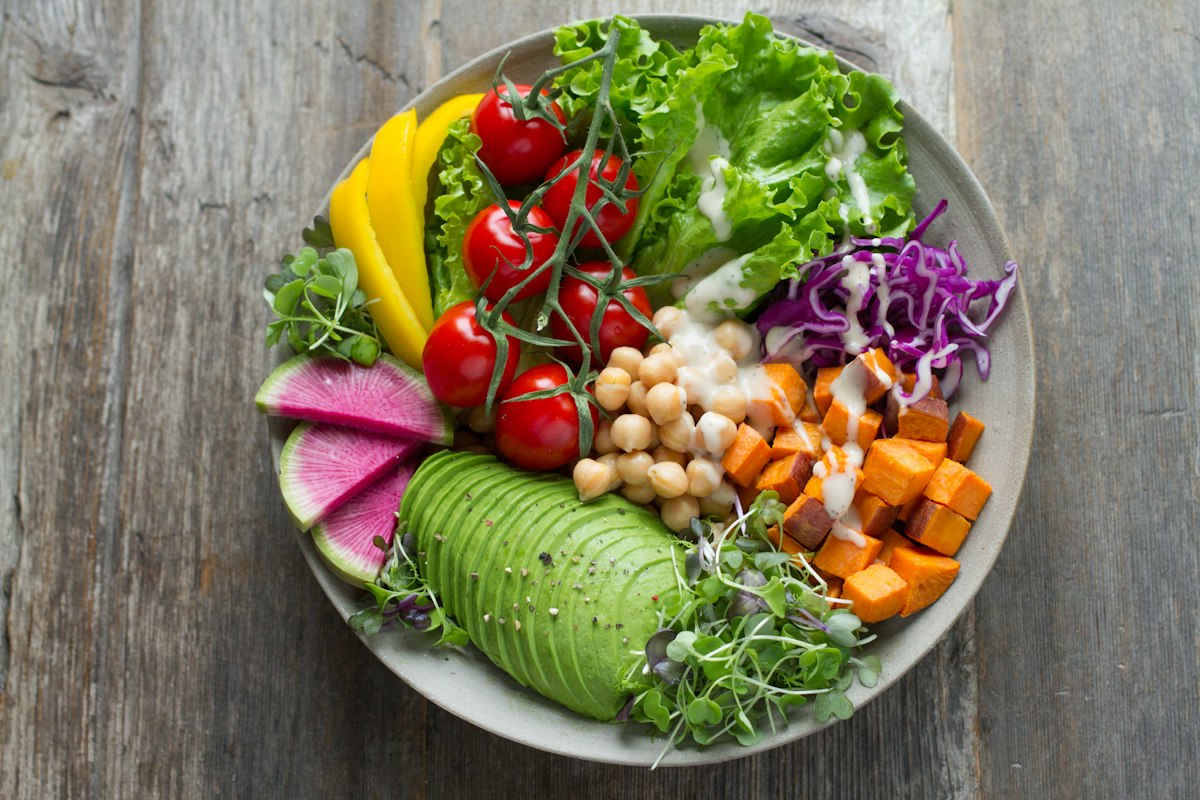
Chronic inflammation is now understood to be a root driver of the world's most common diseases — including heart disease, type 2 diabetes, Alzheimer's, and certain cancers. The good news: what you eat has a profound effect on your body's inflammatory response. Here are 12 foods with strong scientific evidence behind them.
What Is Chronic Inflammation?
Acute inflammation is your body's healthy response to injury or infection — it's the redness and swelling around a cut. Chronic inflammation is different. It's a low-grade, persistent immune response that silently damages tissues over months and years.
Key markers of chronic inflammation include elevated C-reactive protein (CRP), interleukin-6 (IL-6), and TNF-alpha. Diet is one of the most powerful tools available to lower these markers — sometimes more effectively than medication, and without the side effects.
The 12 Best Anti-Inflammatory Foods
1. Blueberries
Blueberries are among the most studied anti-inflammatory foods in existence. Their deep blue color comes from anthocyanins — powerful polyphenols that inhibit NF-κB, a key inflammatory pathway. A 2024 meta-analysis found that daily blueberry consumption reduced CRP levels by an average of 18% over 6 weeks. Aim for ½ cup daily, fresh or frozen.
2. Fatty Fish (Salmon, Mackerel, Sardines)
Omega-3 fatty acids EPA and DHA are converted in the body into compounds called resolvins and protectins — molecules that actively resolve inflammation. The American Heart Association recommends at least two servings of fatty fish per week. Wild-caught salmon delivers around 2,200mg of omega-3s per 100g serving.
3. Extra-Virgin Olive Oil
EVOO contains oleocanthal, a compound with a mechanism of action similar to ibuprofen — it inhibits the same COX-1 and COX-2 enzymes. Research from the Mediterranean diet trials shows that daily EVOO consumption is associated with significantly lower cardiovascular inflammation markers. Use it raw as a dressing, not for high-heat cooking.
4. Turmeric
Curcumin, the active compound in turmeric, has been shown in over 100 clinical trials to inhibit multiple inflammatory pathways simultaneously. The challenge: curcumin has poor bioavailability on its own. Always combine turmeric with black pepper (piperine increases absorption by up to 2,000%) or healthy fat. A daily dose of ½–1 teaspoon is effective for most people.
5. Garlic
When garlic is crushed or chopped, it produces allicin — a sulfur compound with potent anti-inflammatory and antimicrobial properties. Studies show that aged garlic extract can reduce IL-6 and TNF-alpha markers. Crucially, garlic must be allowed to sit for 10 minutes after crushing before cooking to maximize allicin formation.
6. Broccoli & Cruciferous Vegetables
Broccoli is rich in sulforaphane, which activates the NRF2 pathway — the body's master antioxidant and anti-inflammatory switch. Research from Johns Hopkins found sulforaphane reduced airway inflammation markers by 60%. Broccoli sprouts contain up to 100x more sulforaphane than mature broccoli. Light steaming preserves more sulforaphane than boiling.
7. Green Tea
EGCG is one of the most potent plant-based anti-inflammatory compounds known. It inhibits cytokine production and reduces oxidative stress. Japanese population studies correlating high green tea consumption with lower rates of inflammatory disease are compelling. 3–4 cups daily is the dose associated with the most benefit. Matcha provides 3x the EGCG of regular green tea.
8. Tart Cherries
Tart cherries (not sweet cherries) have an extraordinary concentration of anti-inflammatory anthocyanins. Multiple studies show tart cherry juice reduces markers of exercise-induced inflammation and muscle damage. They're also one of the only food sources of melatonin, making them doubly useful for recovery. Available fresh, frozen, or as juice concentrate.
9. Avocado
Avocados are rich in oleic acid (the same anti-inflammatory fat as olive oil), plus lutein and zeaxanthin — carotenoids that reduce eye and systemic inflammation. A study published in the Journal of Nutrition found that adding avocado to a meal significantly reduced post-meal inflammatory response compared to the same meal without avocado.
10. Mushrooms (Especially Shiitake & Reishi)
Mushrooms are uniquely rich in ergothioneine — an antioxidant amino acid that humans cannot synthesize, making dietary intake essential. Shiitake and reishi mushrooms also contain beta-glucans that modulate immune response. Research shows regular mushroom consumption is associated with significantly lower CRP levels and reduced cancer risk.
11. Beans & Lentils
Legumes feed your gut microbiome's beneficial bacteria, which produce short-chain fatty acids (SCFAs) like butyrate — a compound with powerful anti-inflammatory effects on the gut lining and throughout the body. A Harvard study found that people who ate legumes at least 4 times per week had a 22% lower risk of heart disease, largely attributed to reduced inflammation.
12. Walnuts
Among all nuts, walnuts have the highest concentration of ALA — the plant-based omega-3 fatty acid. While ALA is less potent than the EPA/DHA found in fish, it still contributes meaningfully to lowering inflammatory markers. A daily handful (28g / 1 oz) is associated with reduced CRP and improved endothelial function.
Foods to Avoid (They Drive Inflammation)
⚠️ Pro-Inflammatory Foods to Limit
- Refined sugars and HFCS — directly spike IL-6 and CRP within hours of consumption
- Trans fats (partially hydrogenated oils) — banned in many countries but still found in some processed foods
- Refined carbohydrates — white bread, pastries, and processed cereals drive blood sugar spikes that trigger inflammation
- Vegetable oils high in omega-6 — sunflower, corn, soybean oils consumed in excess disrupt the omega-3/6 balance
- Ultra-processed foods — emulsifiers, preservatives, and artificial additives disrupt gut microbiome health
- Excessive alcohol — more than 1–2 drinks daily significantly elevates inflammatory markers
How to Build an Anti-Inflammatory Day
💡 Sample Anti-Inflammatory Day
Breakfast: Oatmeal with blueberries, walnuts, and a sprinkle of turmeric + black pepper
Lunch: Salmon salad with avocado, broccoli, and EVOO dressing
Snack: Green tea + tart cherry juice
Dinner: Lentil soup with garlic and shiitake mushrooms
Key principle: Aim for variety — each color represents different anti-inflammatory compounds.
"Let food be thy medicine and medicine be thy food." — The evidence in 2026 has never been stronger that this ancient wisdom holds up under rigorous clinical scrutiny.
The Bottom Line
Chronic inflammation is not inevitable. A diet rich in the 12 foods above — consistently consumed over weeks and months — can produce measurable reductions in inflammatory biomarkers, often within 2–4 weeks. The most important principle is pattern, not perfection: it's what you eat most of the time that determines your inflammatory load.
Start with one or two of these foods this week. The blueberries, the turmeric, the fatty fish. Build from there.
⚕️ This article is for informational purposes only and does not constitute medical advice. Always consult a qualified healthcare professional before making significant dietary changes, especially if you have a pre-existing condition.