Strength Training for Women in 2026: The Honest Guide to Getting Started
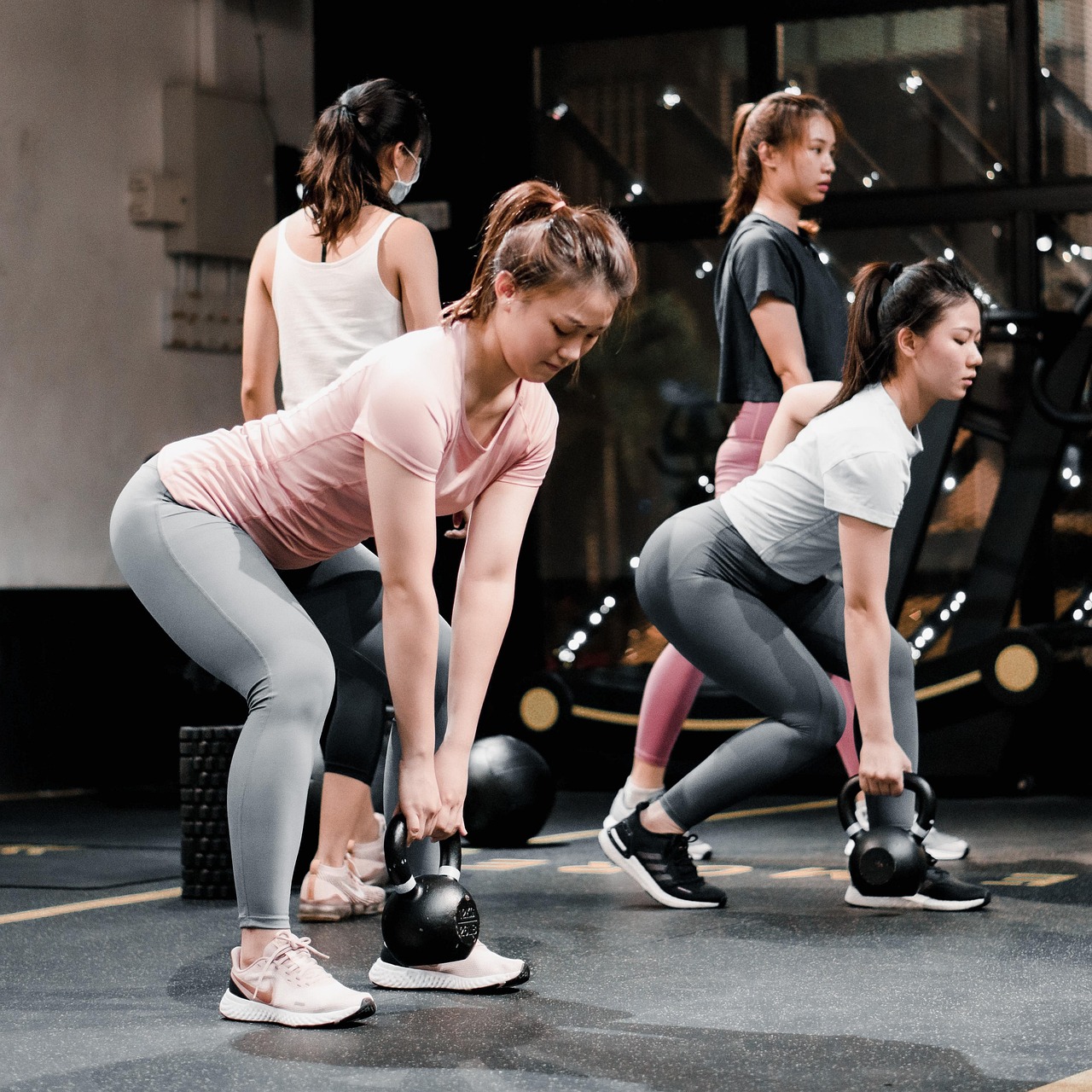
Strength training benefits women enormously. Here is the honest guide to starting without the myths.
Strength training — resistance exercise using weights, machines, or bodyweight — produces benefits for women that are among the most robustly evidenced in exercise science: increased muscle mass and strength, improved bone density, better metabolic health, enhanced body composition, and documented mental health benefits. Despite this evidence, a significant proportion of women avoid dedicated strength training due to myths about the outcomes of lifting weights. Here is the honest guide that addresses the myths and provides the practical starting framework.
The Myth That Lifting Makes Women Bulky
The most persistent barrier to women's strength training is the concern that lifting weights will produce an undesirably muscular physique. The honest physiology: significant muscle mass gain is difficult even for people actively trying to achieve it. Women have substantially lower testosterone levels than men, which is the primary hormonal driver of muscle hypertrophy. Building noticeable muscle mass requires years of consistent training, adequate protein intake, and often caloric surplus — it does not happen accidentally or quickly. The women in fitness content with very muscular physiques have typically trained for years with that specific goal and often other factors involved. Most women who begin strength training experience improved body composition, increased tone, and functional strength without dramatic changes to overall physique.
The Evidence-Based Benefits
The health benefits with the strongest evidence for women specifically: bone density improvement (critical for reducing osteoporosis risk, which affects women disproportionately); metabolic health (increased muscle mass improves insulin sensitivity and resting metabolic rate); functional strength that reduces injury risk and maintains independence with aging; and documented improvements in depression and anxiety symptoms comparable to aerobic exercise. The combination of these benefits, particularly the bone density and metabolic effects, makes strength training more health-valuable for women than cardio-only exercise approaches that most standard fitness recommendations have historically emphasized.

Getting Started: The Practical Framework
The most accessible starting points for women new to strength training: full-body resistance training 2–3 days per week (more effective for beginners than body-part splits); compound movements that train multiple muscle groups simultaneously (squats, hip hinges/deadlifts, pushing movements like push-ups or dumbbell press, pulling movements like rows); and progressive overload — gradually increasing resistance over time rather than maintaining comfortable weights indefinitely. Progressive overload is the mechanism that produces ongoing adaptation; staying at the same weight produces diminishing returns as the body adapts.
Bottom Line: The "lifting makes women bulky" concern misrepresents muscle physiology — significant muscle gain requires years of intentional effort, caloric surplus, and hormonal conditions that most women do not have. Health benefits with strong evidence: bone density improvement (critical for osteoporosis prevention), improved insulin sensitivity and metabolic rate, functional strength for independence with aging, and mental health benefits equivalent to aerobic exercise. Starting framework: full-body resistance training 2–3 days/week, compound movements (squat, hip hinge, push, pull), progressive overload over time.