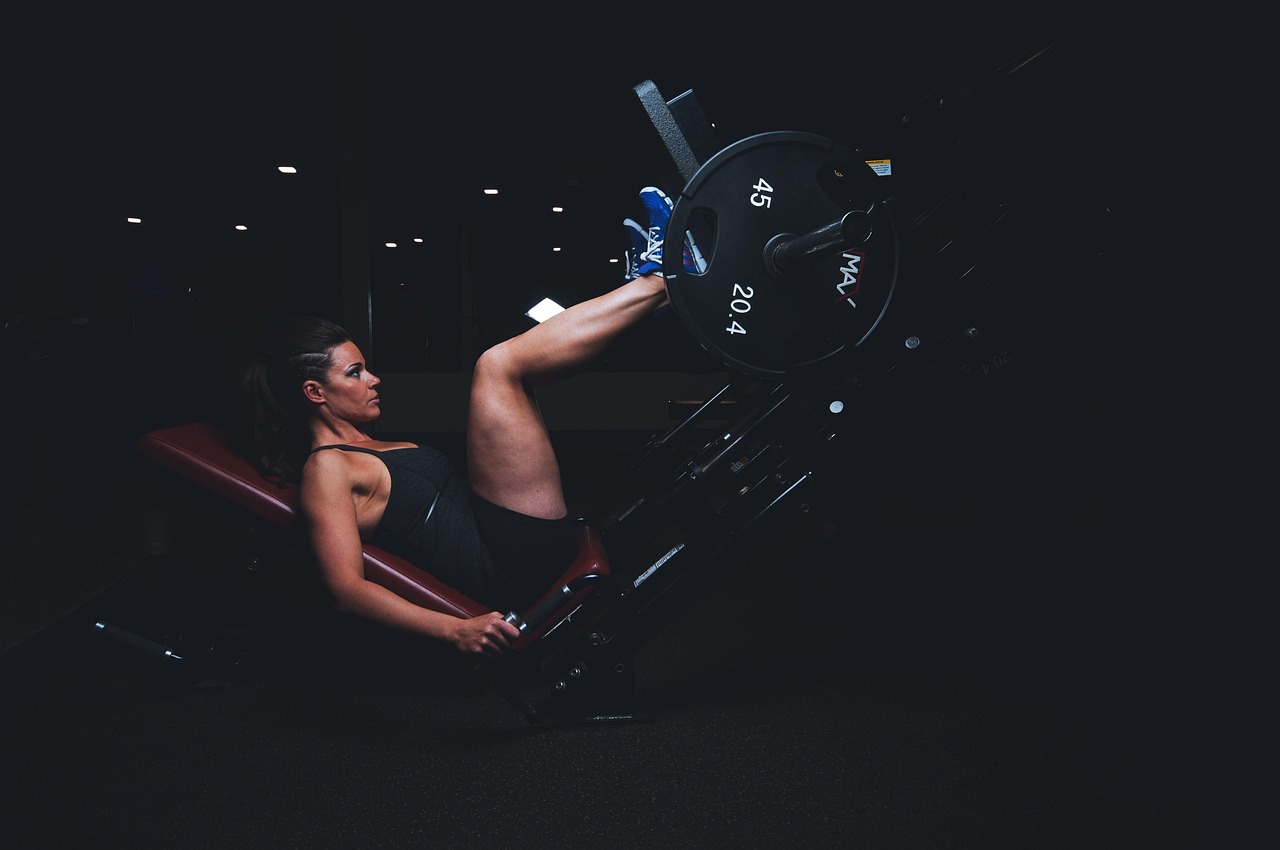
Creatine for Women in [2026]: What the Research Actually Shows
![Creatine for Women in [2026]: What the Research Actually Shows](/img/posts/fix-creatine-for-women-honest-guide-202-d0282f12.jpg)
Creatine has been one of the most researched supplements in sports science for decades, with an unusually strong evidence base for improving strength, power output, and muscle mass when combined with resistance training. For most of that time, the research was conducted almost exclusively in men, and creatine was marketed primarily to men. That's changed significantly — and the emerging research on creatine's effects specifically in women, including benefits beyond athletic performance, makes it one of the more interesting supplement stories of the past few years. Here is what the evidence actually shows.
What Creatine Is and How It Works
Creatine is a naturally occurring compound synthesized in the liver, kidneys, and pancreas from three amino acids (arginine, glycine, and methionine). Approximately 95% of the body's creatine is stored in skeletal muscle as phosphocreatine (PCr). During high-intensity, short-duration effort — a heavy lift, a sprint, an explosive jump — PCr donates a phosphate group to ADP to rapidly regenerate ATP, the primary cellular energy currency. This process is fast and doesn't require oxygen, which is why creatine supplementation improves performance in high-intensity activities lasting 10-30 seconds rather than in endurance activities.
Women naturally have lower baseline creatine stores than men — approximately 70-80% of the creatine stores found in men, partly due to lower muscle mass and partly due to lower dietary creatine intake (creatine is found primarily in red meat and fish; women consume less of these on average). This means women may have more room to benefit from supplementation relative to their baseline than men do.
The Athletic Performance Evidence
The research on creatine supplementation in women for athletic performance shows smaller but real effects compared to men. Studies show improvements in maximal strength (bench press, squat), explosive power, and lean muscle mass gains when creatine supplementation is combined with resistance training. The effect sizes in women are typically 10-20% smaller than in men, which still represents meaningful performance improvements.
The standard creatine supplementation protocol: 3-5 grams per day of creatine monohydrate, taken consistently. Loading phases (20g/day for 5-7 days to rapidly saturate muscle stores) are sometimes used but aren't necessary — the lower daily dose achieves full saturation within 3-4 weeks. Creatine monohydrate is the form with by far the most research support; more expensive "enhanced" forms (creatine HCl, Kre-Alkalyn, etc.) don't have evidence of superior efficacy and cost significantly more.
The Brain and Mood Research: The Genuinely Interesting New Findings
The most interesting recent research on creatine in women involves the brain rather than muscles. The brain is the body's second-largest creatine consumer, and creatine plays roles in neurological function including energy metabolism, neuroprotection, and neurotransmitter modulation. Several lines of research suggest particular relevance for women.
A 2021 study published in Biological Psychiatry found that women with major depressive disorder had lower brain creatine levels than age-matched controls, and that creatine supplementation (with an antidepressant) produced faster and more robust antidepressant response than the antidepressant alone. A separate study found that creatine supplementation reduced depressive symptoms as a standalone intervention in adolescent girls with treatment-resistant depression. These are small studies requiring replication, but the findings are consistent with the neurobiological plausibility of creatine's brain effects.
Perimenopause and post-menopause represent another area of emerging interest. Estrogen plays a role in creatine synthesis and muscle creatine stores — as estrogen declines during menopause, creatine stores may decline. Research groups have proposed that creatine supplementation may help offset some of the muscle loss, strength decline, and mood effects associated with menopause. Clinical trials are ongoing; the hypothesis is biologically plausible and the safety profile of creatine is excellent.
Safety and the Common Concerns
Creatine is one of the most extensively safety-tested supplements available. Decades of research in populations ranging from children to elderly adults have not found significant adverse effects from standard doses. The concerns that circulate — that creatine damages kidneys, causes hair loss, or is somehow dangerous — are not supported by the research in people with healthy kidney function. People with pre-existing kidney disease should consult a physician before supplementing, as the kidneys are involved in creatine metabolism.
Water retention is real and temporary: creatine supplementation causes muscles to retain water (creatine is osmotically active), which can increase body weight by 1-2 kg in the first week or two of supplementation. This is intracellular water in the muscles — not bloating — and represents an improvement in muscle hydration that's actually beneficial for performance. The scale weight increase discourages some women from continuing creatine; understanding that it represents improved muscle hydration rather than fat gain is important context.
Important Limitations
The information here reflects general health evidence and is not a substitute for professional medical advice. Individual health situations vary significantly — what works for the average person in a clinical study may not be appropriate for your specific circumstances, medical history, or current medications. Consult a qualified healthcare provider before making significant changes to your health regimen, particularly for any existing conditions.
My take: Creatine monohydrate at 3-5g/day has strong evidence for improving strength and muscle mass in women who resistance train. The emerging brain and mood research is genuinely interesting and biologically plausible. The initial water weight gain is normal and temporary — don't let scale weight in the first two weeks mislead you. It's one of the most evidence-backed supplements available at any price point.

Sarah Mitchell is a health and wellness writer with a background in nutritional science and clinical psychology. With 8 years of experience translating complex medical research into actionable guidance, she covers eviden...


![Starting Strength Training [2026]: The Beginner Guide That Actually Works](/img/posts/fix-strength-training-beginner-honest-2-c4dc6906.jpg)