Retro Gaming in 2026: The Honest Guide to Getting Into Classic Games
Retro gaming is more accessible than ever. Here is the honest guide to playing classic games legally and practically.
Classic and retro gaming — engaging with games from previous console generations — has never been more accessible, with official re-releases, subscription service libraries, dedicated retro hardware, and emulation all providing pathways to games that are decades old. The landscape is more complex than it appears, with legal considerations, hardware choices, and authenticity trade-offs worth understanding. Here is the honest guide.
Official Re-Release Options
The most straightforward path to classic games: official re-releases and compilation packages. Nintendo's Switch Online service includes NES, SNES, N64, Game Boy, and Game Boy Advance libraries. Sega's Mega Drive Classics collections cover the Genesis/Mega Drive library extensively. PlayStation's catalog on PlayStation Plus Premium includes classic PlayStation, PS2, and PSP titles. Capcom, Konami, and other publishers have released extensive compilation packages covering their classic libraries. These official channels provide legal, convenient access without hardware concerns, though the libraries are curated rather than comprehensive.
Dedicated Retro Hardware
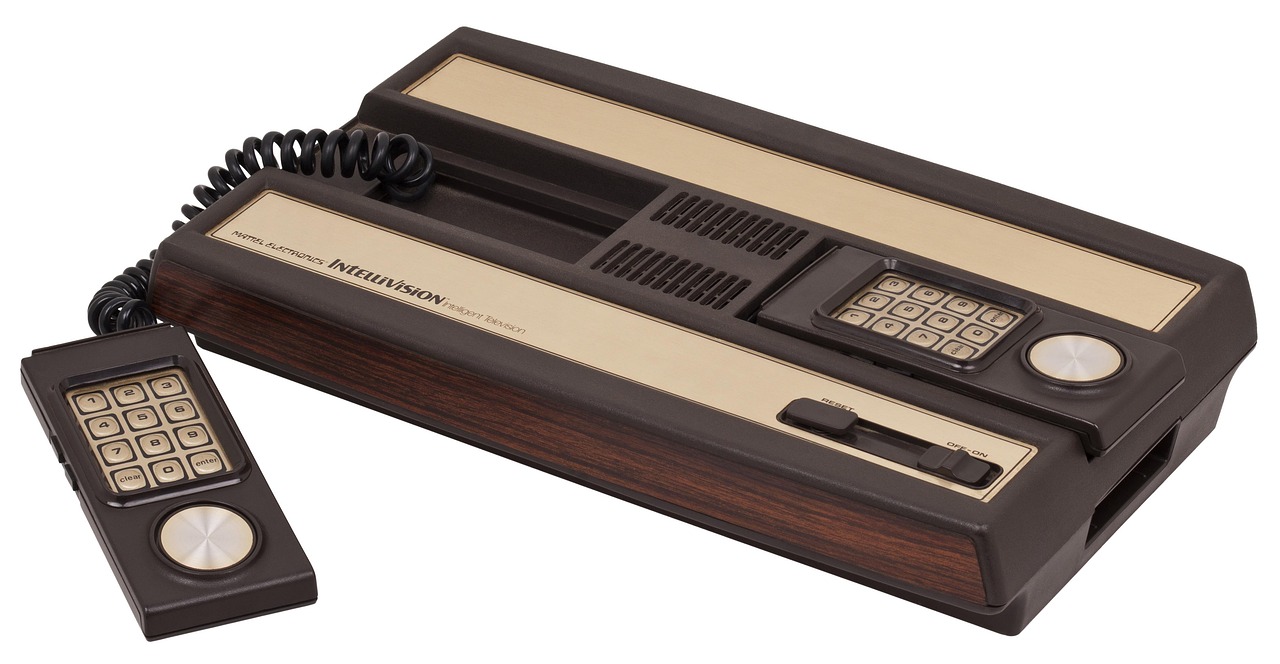
Original hardware — finding and maintaining actual cartridge-based consoles — provides the most authentic experience but involves sourcing, cost, and maintenance considerations. CRT televisions, which many older games were designed for and look significantly different on modern flat panels, have become a sought-after retro gaming accessory. FPGA-based recreation hardware (Analogue's line of consoles) provides hardware-accurate emulation of original systems without software emulation compromises, at significant price premiums. Modern CRT alternatives (RetroTink scalers and similar devices) allow original hardware output to be displayed on modern televisions with reduced lag.

Emulation: The Honest Legal Assessment
Emulation — running game software on hardware other than the original system — occupies complex legal territory. The emulator software itself is generally legal; the ROM files (game software copies) are where copyright applies. Copying ROMs from cartridges you own exists in legal gray area in most jurisdictions; downloading ROMs for games you do not own is copyright infringement regardless of the age of the game or the copyright holder's enforcement activity. The practical reality: ROM availability online is extensive and enforcement against individual players is essentially non-existent; the legal reality is that most commonly practiced ROM downloading is technically infringing. Game preservation organizations and emulation advocates have different views on the ethics of this situation.
Bottom Line: Official re-release options (Nintendo Switch Online, PlayStation Premium, publisher compilations) provide legal, convenient classic game access with curated rather than comprehensive libraries. Original hardware provides authentic experience with sourcing, maintenance, and CRT considerations — FPGA hardware (Analogue) provides accuracy without software emulation. Emulation legal reality: emulator software is legal; ROM downloads are generally copyright infringement regardless of age or enforcement activity. Most retro gaming practice involves this gray area that game preservation advocates and copyright holders view differently.