Building a PC Gaming Setup in 2026: What You Actually Need vs What You Are Being Sold
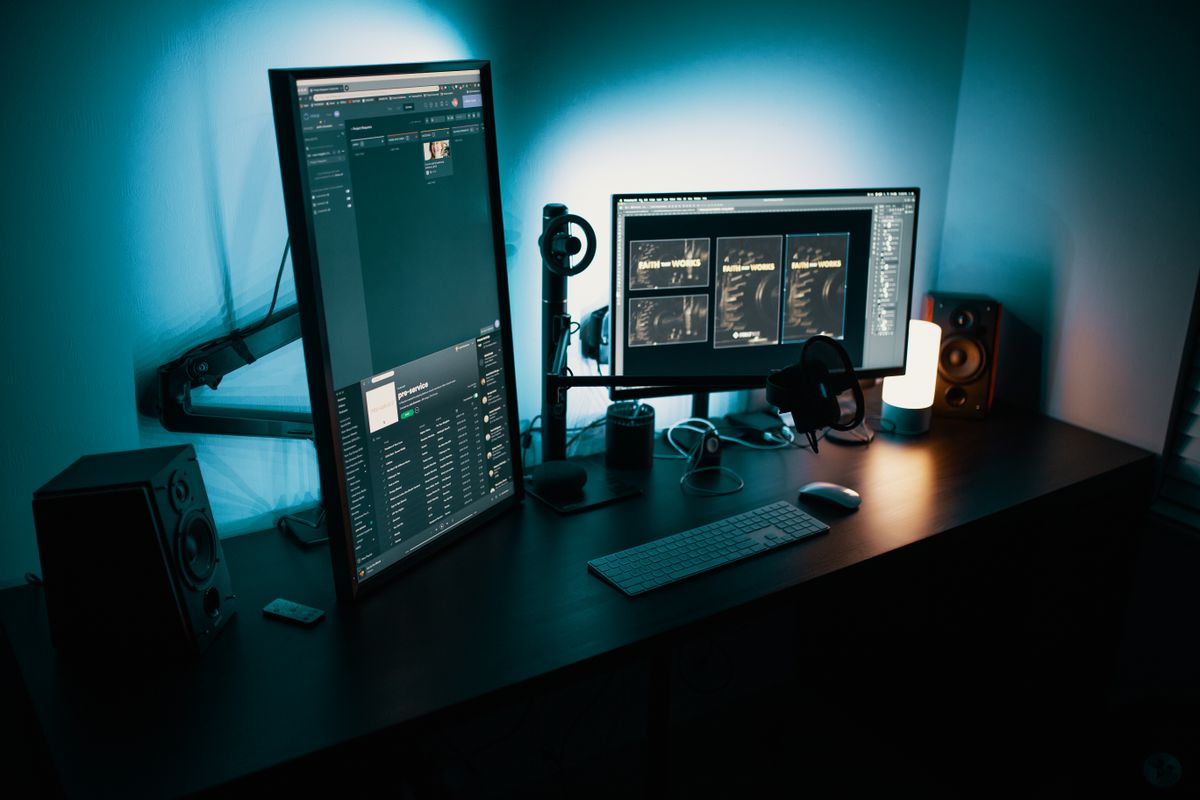
I have reviewed over 400 games and built or helped build more PC gaming setups than I can count. The PC gaming hardware market is one of the most aggressively marketed consumer categories in existence — FOMO-driven upgrade cycles, incremental GPU generations marketed as revolutionary, and endless accessories promising marginal performance improvements at significant cost. Here is the honest guide to what actually improves your gaming experience at each budget level.
The Components That Matter Most
GPU (graphics card) is the single most important component for gaming performance — it handles the actual rendering of 3D graphics. At any budget level, prioritizing GPU over other components produces the biggest gaming performance improvement per dollar. CPU matters for gaming but most modern CPUs above the budget tier are not meaningfully limiting gaming performance at typical resolutions — you reach diminishing returns on CPU much faster than GPU for most games. RAM: 16GB DDR4 or DDR5 is adequate for virtually all gaming in 2026; 32GB is only relevant for streaming, video editing, or specific simulation games. More RAM beyond this provides negligible gaming performance improvement. Storage: an SSD (any modern SATA or NVMe SSD) dramatically reduces load times compared to traditional hard drives — this is a meaningful quality-of-life improvement. Going from SATA SSD to fast NVMe (PCIe 4.0 or 5.0) produces minimal real-world loading time differences in games despite marketing claims.
The Monitor: Where People Under-Invest
The monitor is the most consistently under-invested component in gaming setups and the one where improvement produces the most noticeably better gaming experience for most players. The two monitor specifications that matter most for gaming: refresh rate and response time. Refresh rate (144Hz vs 60Hz): this is genuinely transformative for many gaming genres. The difference between 60Hz and 144Hz in fast-paced games (first-person shooters, fighting games, racing games) is immediately and dramatically perceptible — motion is significantly smoother, aiming feels more responsive, and the experience is genuinely better. This is not placebo. Panel response time (1ms vs 5ms vs 10ms): matters primarily for competitive gaming at high refresh rates where input lag compounds with display latency. For most gaming contexts, 5ms GtG (gray to gray) response is adequate. Panel type: IPS panels offer better color accuracy and viewing angles than TN panels; VA panels offer higher contrast. For gaming, IPS is now the standard recommendation — modern IPS panels have closed the response time gap with TN significantly.
The Peripherals Worth Buying
Mouse: for gaming, a lightweight mouse (under 80g) with a quality optical sensor and adjustable DPI covers the needs of most players. The $40-80 range from Logitech, Razer, or Zowie contains excellent options. Beyond $80, you are mostly paying for brand or features you will not notice in practice. Keyboard: mechanical switches are genuinely nicer to type and game on than membrane keyboards — this is worth the upgrade from budget membrane keyboards. At the $70-120 range (Keychron, Ducky, Logitech) you get quality mechanical keyboards that will last years. The $200+ keyboard market exists primarily for enthusiast customization, not gaming performance. Headset vs separate headphone plus microphone: separate headphones plus a standalone microphone (Blue Yeti or similar) produces significantly better audio quality at similar total cost compared to most gaming headsets. Headsets are convenient; separate components are better.
Budget Allocation by Level
Budget ($500-800 total system): prioritize GPU (spend 40% of budget), 16GB RAM, SATA SSD, and a 144Hz monitor. Mid-range ($1,000-1,500): dedicated GPU capable of 1080p or 1440p gaming, faster NVMe storage, 1440p 144Hz+ monitor — the display upgrade is the most impactful change at this level. High-end ($2,000+): 4K or high-refresh 1440p GPU, fast NVMe storage, 1440p 165Hz+ or 4K monitor. The diminishing returns on gaming performance above mid-range are significant — doubling spend does not double gaming enjoyment.
Honest Bottom Line: GPU is the most important component for gaming performance at any budget — prioritize it over CPU, RAM speed, or fast storage. The monitor is the most consistently under-invested component — upgrading from 60Hz to 144Hz produces immediately noticeable improvement in most gaming genres. IPS panels at 144Hz+ refresh rate are the standard recommendation. For peripherals: lightweight optical mouse ($40-80), mechanical keyboard ($70-120), and separate headphones plus microphone over gaming headsets for better audio quality. Diminishing returns on gaming performance above mid-range are significant — $2,000 does not produce twice the gaming enjoyment of $1,000.

Michael Ross has been writing about gaming for 10 years, covering everything from indie releases to AAA blockbusters and the competitive esports scene. A former semi-professional gamer turned journalist, Michael brings b...

![Best PC Games [2026]: What Has Held Up and What You Might Have Missed](/img/posts/fix-best-pc-games-honest-2026-45545a36.jpg)
![Simulation Games [2026]: The Genre That Rewards Patience and Why It's Growing](/img/posts/simulation-games-honest-2026-b7fa34f1.jpg)
![Strategy Games [2026]: The Best Entries in Each Sub-Genre for New and Experienced Players](/img/posts/strategy-games-honest-guide-2026-39186094.jpg)