Mobile Gaming's Hidden Costs in 2026: How Much Do People Actually Spend?
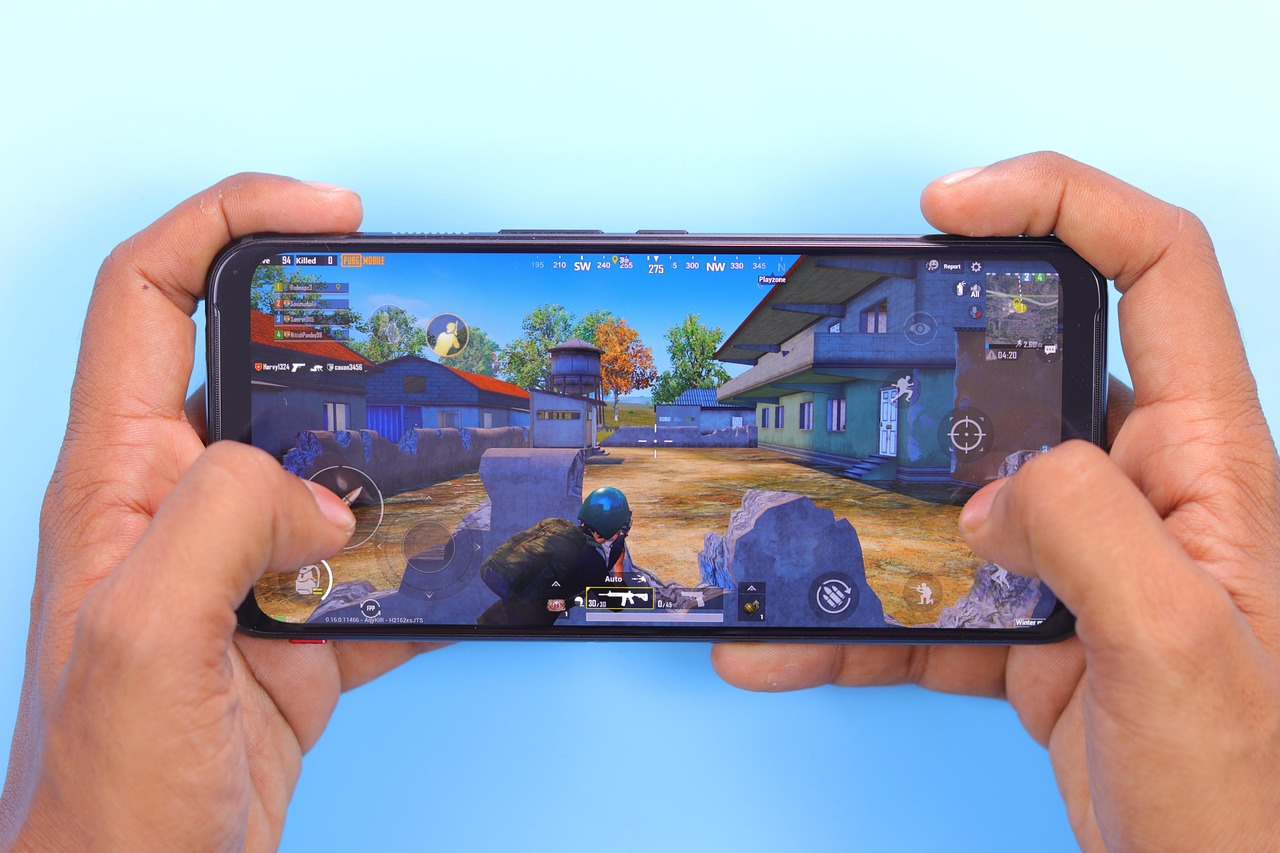
Mobile gaming generated over $90 billion in revenue globally in 2025, almost entirely from games that are free to download. Understanding how free games generate that much money — and why the design systems that generate it are specifically engineered to exploit psychological vulnerabilities — is useful whether you play mobile games or not.
The Business Model Behind Free-to-Play
Free-to-play mobile games use a small percentage of players to generate the majority of revenue. Industry data consistently shows that roughly 2-3% of players account for 50-70% of revenue in most mobile games. This group — called "whales" in industry terminology — spends hundreds or thousands of dollars on a single game.
The design implication is that mobile games are not primarily designed to provide value to the average player. They're designed to identify and maximize spending from the small percentage willing to spend heavily. The "free" experience for the 97% is the funnel, not the product.
The Psychological Mechanics That Drive Spending
The spending mechanics in mobile games are not random or intuitive — they're specifically engineered based on behavioral psychology research. The most pervasive:
Variable reward schedules — The same mechanism that makes slot machines addictive. Gacha systems (randomized character or item drops) provide rewards on unpredictable intervals, which is the most psychologically compelling reward schedule humans experience. The uncertainty of whether the next pull will produce the desired character creates compulsive continuation behavior.
Sunk cost exploitation — Players who have spent money and time on a game feel committed to continued investment. The more someone has already spent, the harder the psychological barrier to stopping becomes. Game design deliberately structures progress to maximize this — milestone systems, unlocked content, and social progress all increase sunk cost.
Artificial scarcity and time pressure — Limited-time events, expiring currencies, and countdown timers create urgency that bypasses deliberate decision-making. The psychological pressure of "this banner only lasts 14 days" is designed to induce spending decisions that wouldn't be made with more time for reflection.
Social pressure — Guild systems, cooperative events requiring consistent participation, and competitive rankings create social obligation that keeps players engaged and spending to maintain social standing.
What the Average Spending Data Shows
Sensor Tower's consumer spending analysis shows average mobile game spender data that's illuminating. The average paying player in top-grossing mobile games spends approximately $90-150 per year on a single game — but this average is heavily skewed by high spenders. The median spending is significantly lower, while the top 5% of spenders account for the majority of revenue.
The category with the highest average spend per payer is strategy games (including city builders and war games), where spending on infrastructure and speed-ups is more continuous than in character-collection games. Gacha RPGs have the most compressed high-end spending, with some players spending thousands per character or event.
How to Engage Without Getting Burned
Setting a specific monthly budget before beginning a game — not after you're invested — is the most reliable protection. The budget should be set to the amount you're comfortable losing, not the amount needed to be competitive. In most gacha games, competitive play requires spending that most budgets can't support.
Recognizing the artificial urgency of limited-time events is the second most useful protection. If a banner or event will cause you to spend beyond your planned budget, the urgency is designed, not real. Another banner will appear. The "must have" character is replaced by a new "must have" character within weeks.
Playing games that have fixed price points — paid mobile games, which still exist outside the dominant free-to-play ecosystem — provides a cleaner relationship between payment and value. Many of the best-reviewed mobile games (Alto's Odyssey, Monument Valley, Stardew Valley mobile) are premium-priced and don't use engagement-maximizing monetization systems.
Honest Bottom Line: Free-to-play mobile games generate most of their revenue from 2-3% of players spending heavily, using psychological mechanics (variable reward schedules, sunk cost exploitation, artificial urgency) deliberately engineered from behavioral psychology research. The average paying player spends $90-150/year per game; high spenders skew this figure substantially. Setting a firm budget before engaging with any free-to-play game, and recognizing artificial urgency for what it is, are the primary protections against spending beyond intent.

Michael Ross has been writing about gaming for 10 years, covering everything from indie releases to AAA blockbusters and the competitive esports scene. A former semi-professional gamer turned journalist, Michael brings b...
![Mobile RPGs [2026]: The Ones Worth Playing and the Gacha Traps to Avoid](/img/posts/mobile-rpg-honest-guide-2026-ad0931c3.jpg)
![Best Mobile Games [2026]: No Pay-to-Win, No Gacha — Games That Respect Your Time](/img/posts/best-mobile-games-no-pay-to-win-2026-bc7065a0.jpg)
![Apple Arcade [2026]: Is the Subscription Worth It After 5 Years?](/img/posts/apple-arcade-honest-review-2026-9722c925.jpg)
![Gacha Games: The Honest Psychology of Why You Keep Spending [2026]](/img/posts/fix-gacha-games-psychology-spending-202-fa03876b.jpg)