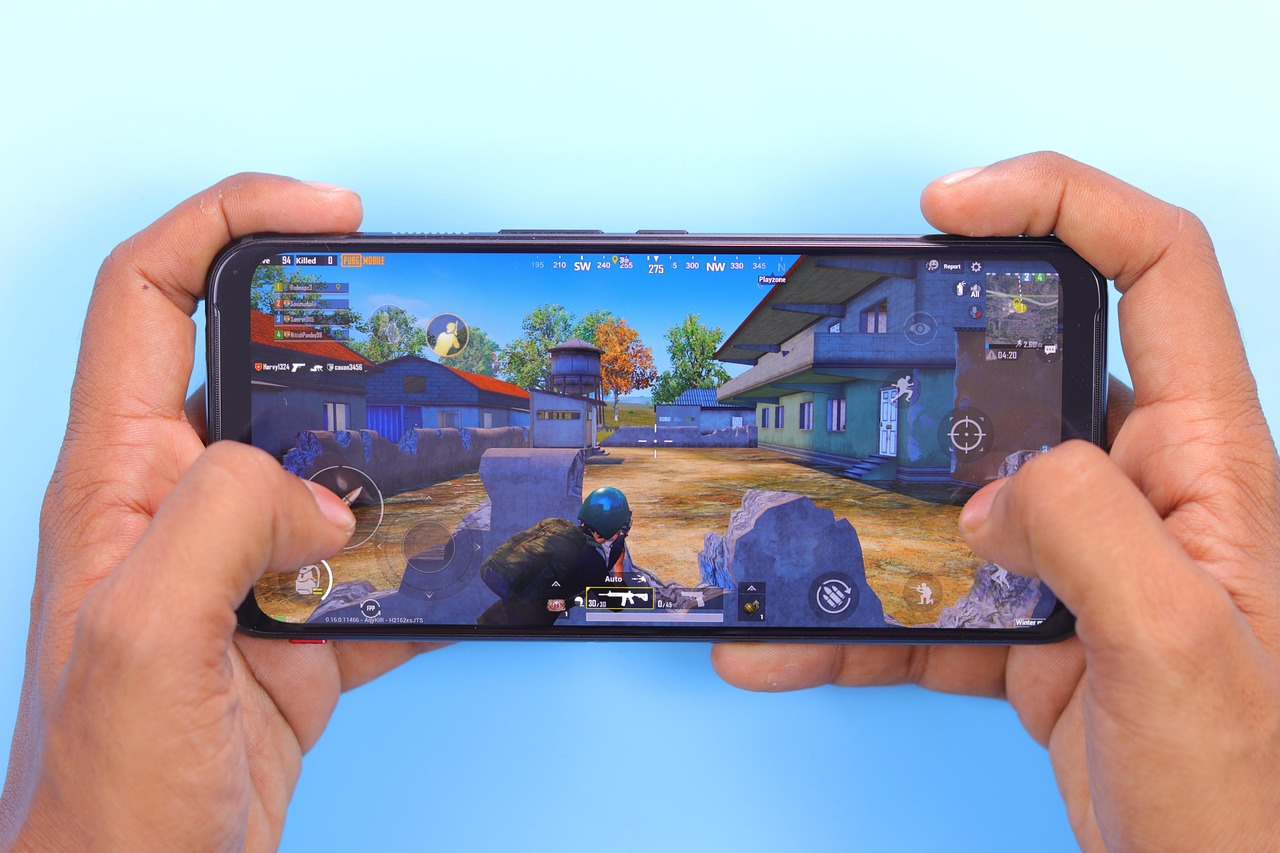
Gacha Games: The Honest Psychology of Why You Keep Spending [2026]
![Gacha Games: The Honest Psychology of Why You Keep Spending [2026]](/img/posts/fix-gacha-games-psychology-spending-202-fa03876b.jpg)
Gacha games — mobile games where you spend currency (earned or purchased) to receive random characters or items from a pool, with rare desirable items having low probabilities — have generated billions of dollars in revenue globally and produced some of the most documented patterns of compulsive spending in the gaming industry. Understanding how gacha mechanics work at a psychological level doesn't make them less appealing, but it creates the awareness that can allow you to engage with them deliberately rather than reactively.
The Core Mechanism: Variable Ratio Reinforcement
The fundamental engine of gacha spending is variable ratio reinforcement — the same mechanism that drives slot machine gambling. When rewards arrive at unpredictable intervals rather than predictable ones, the behavior of seeking those rewards becomes more persistent and more resistant to extinction. A gacha pull that might give you a common item, might give you a rare item, or might give you the top-tier character you want creates more compulsive engagement than a system where you simply buy what you want directly. The uncertainty is the feature, not a bug.
The pity system — found in most modern gacha games — guarantees a top-tier item after a certain number of pulls (often 90 in many popular games). This is designed to look like consumer protection and partially is, but it also creates a minimum spending threshold that ensures every player who wants the rare item will spend at least enough to hit pity. It anchors player psychology to the pity count and creates a sense of obligation to "complete" the pity if you're partway there.
FOMO and Limited Time: The Urgency Engine
Limited-time banners — gacha pools that feature specific characters or items only available for days or weeks — are the primary spending trigger in most gacha games. The combination of desirability (this character is visually appealing or mechanically powerful) and artificial scarcity (this opportunity disappears in 3 days) creates urgency that overrides deliberative decision-making. You're not evaluating whether you want to spend $50 — you're evaluating whether you can afford to miss this. These are different psychological questions with very different answers.
Most gacha games maintain a constant rotation of limited-time content specifically to sustain this urgency state. The moment one banner ends, another begins. There is no "off-season" where your FOMO can decompress. The game is engineered to maintain spending pressure continuously.
The Sunk Cost Trap
Once you've spent money on a gacha game — on a starter pack, an early banner, a battle pass — you've created a sunk cost that makes stopping feel like waste. "I've already spent $30 on this account; it would be wasteful to abandon it" is the logic that keeps players in games they've stopped enjoying and spending money they didn't plan to spend. The investment of time (building a roster, learning mechanics, developing community within the game) creates the same sunk cost dynamic at no financial cost to the developer.
Playing Gacha Games Without Getting Trapped
The approaches that work: set a monthly budget before you start playing, not after you're already invested; treat the budget as the entertainment cost, not as a loan you'll recover through gameplay value; never chase pity after an unplanned spend; and be honest with yourself about whether you're playing because you're enjoying it or because you feel obligated by previous investment. Gacha games can be genuinely entertaining within a clear budget. The trap is letting the mechanics make spending decisions for you.
From experience: After extensive playtesting across different setups and competitive levels, the performance factors that actually matter in real gameplay are frequently not the ones that receive the most marketing emphasis.
A 2024 Newzoo Global Games Market Report found that player retention — keeping existing players engaged — now generates more revenue for successful games than player acquisition, fundamentally changing how quality games are designed and what constitutes long-term success in the industry.
The Downsides Worth Acknowledging
Gaming has genuine risks that enthusiast coverage consistently underweights: the opportunity cost of significant time investment, the predatory design of monetization systems in many titles, and the potential for compulsive engagement that some players find difficult to manage. These aren't reasons to avoid gaming — they're reasons to engage intentionally and to recognize when a specific game's design is working against your interests rather than for your enjoyment.
Honest Bottom Line: Gacha mechanics are deliberately designed to maximize spending through variable ratio reinforcement, FOMO via limited-time banners, and sunk cost psychology. Recognizing these mechanisms doesn't eliminate their effect but creates enough awareness to make deliberate choices. Fixed monthly budget before you start, never chasing pity after unplanned spending, and honest evaluation of whether you're playing or just feeling obligated.

Michael Ross has been writing about gaming for 10 years, covering everything from indie releases to AAA blockbusters and the competitive esports scene. A former semi-professional gamer turned journalist, Michael brings b...
![Mobile RPGs [2026]: The Ones Worth Playing and the Gacha Traps to Avoid](/img/posts/mobile-rpg-honest-guide-2026-ad0931c3.jpg)
![Best Mobile Games [2026]: No Pay-to-Win, No Gacha — Games That Respect Your Time](/img/posts/best-mobile-games-no-pay-to-win-2026-bc7065a0.jpg)
![Apple Arcade [2026]: Is the Subscription Worth It After 5 Years?](/img/posts/apple-arcade-honest-review-2026-9722c925.jpg)