Greek Food [2026]: 9 Dishes That Go Way Beyond Gyros and Hummus
![Greek Food [2026]: 9 Dishes That Go Way Beyond Gyros and Hummus](/img/posts/unique-615-82348e28.jpg)
The PS5 vs. Xbox Series X debate was most heated at launch, when neither platform had its full library and comparisons were based on hardware specs and launch titles. Three years in, the picture is clearer — the exclusive software strategies of each platform have played out in ways that make the choice more specific and less close than early coverage suggested. Here is the honest 2026 comparison.
Where the Difference Actually Lives: Exclusives
The hardware performance difference between PS5 and Xbox Series X is minimal in practice — multi-platform games play identically on both, with small technical differences visible only in frame-by-frame analysis. The meaningful difference is exclusive software. PlayStation's first-party output through 2025 has been strong and consistent: Demon's Souls, Ratchet & Clank, Horizon Forbidden West, God of War Ragnarök, Spider-Man 2, and others represent a library of genuinely excellent exclusive titles that remain PlayStation-only. Xbox's first-party pipeline, following the Activision Blizzard acquisition, has expanded dramatically in theory, but the 2024-2025 release slate has been less consistent in execution.
The Game Pass consideration changes the calculus significantly. Xbox's subscription service puts every first-party Xbox title into a $15/month subscription on day one — including the Bethesda and Activision catalog following acquisitions. For players who primarily play the new Microsoft ecosystem titles and competitive multiplayer games, Game Pass on Xbox Series X is exceptional value. For players who prioritize Sony's single-player narrative games, those titles aren't on Game Pass and aren't coming to Xbox.
PlayStation's Specific Advantages
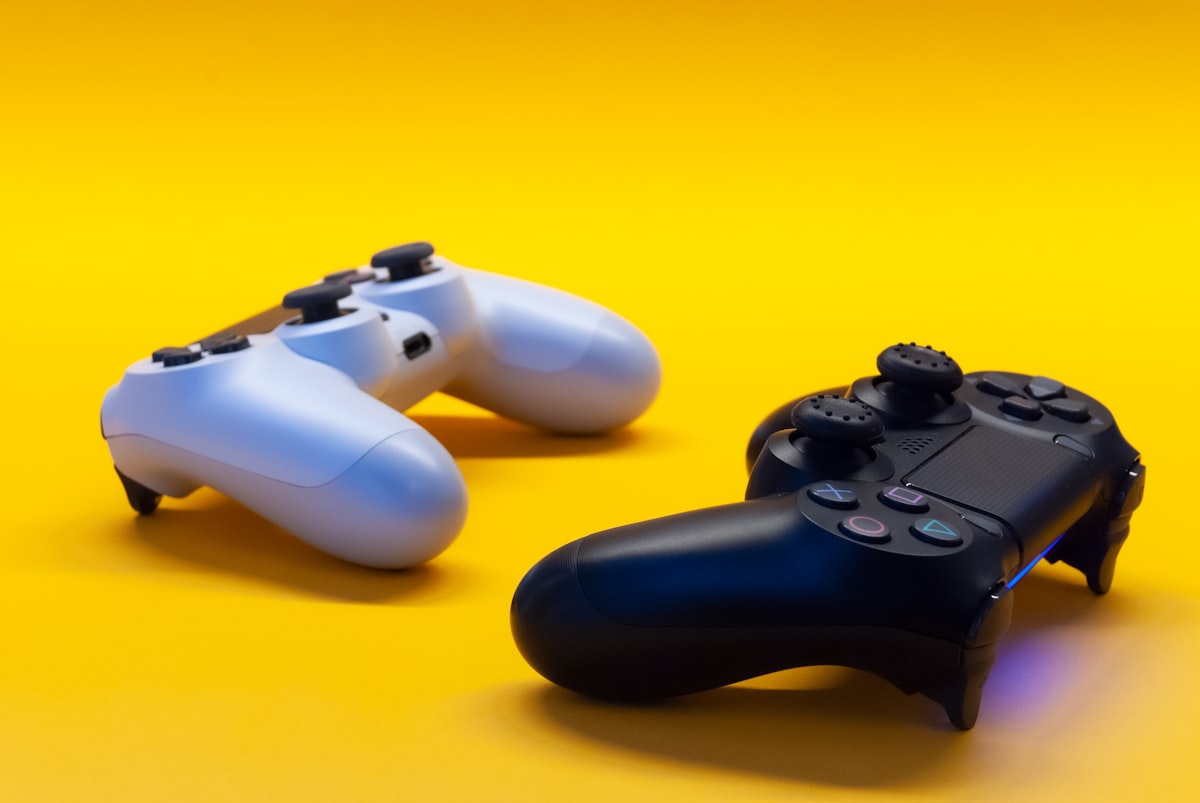
The DualSense controller's haptic feedback and adaptive triggers are genuine differentiators that first-party PlayStation titles implement well — the sensation of different weapons, terrain, and physical interactions through the controller is a real experience improvement that Xbox's controller doesn't replicate. PlayStation's Japanese and JRPG library is stronger as a platform — the historical relationships with Japanese publishers keep many titles as timed or permanent PlayStation exclusives. And PlayStation's track record on prestigious single-player exclusives is currently stronger than Xbox's.
Xbox's Specific Advantages
Game Pass is Xbox's strongest differentiator — the value of hundreds of games in a subscription, with day-one first-party releases, is genuinely compelling for players who game regularly. Xbox's backward compatibility implementation is the best in console history — the ability to play Xbox, Xbox 360, and Xbox One games with technical improvements on Series X is a genuine differentiator for players with existing libraries. Xbox's PC gaming integration (Play Anywhere, consistent ecosystem across Xbox and Windows PC) is better than PlayStation's, which matters for players who game on both platforms.
The Honest Recommendation
If you primarily play single-player narrative games and Japanese titles, and plan to buy games individually: PlayStation 5. If you game heavily and the subscription model makes sense for your habits, or if you care about backward compatibility: Xbox Series X. If you already game on PC and are comparing a console purchase to investing in PC gaming: PC gaming gives you access to both Xbox and PlayStation's growing PC ports, plus the PC-exclusive back catalog, which is worth considering before committing to either console.
My honest take: PS5 wins on exclusive quality and Japanese library. Xbox wins on Game Pass value and backward compatibility. The right choice depends specifically on what you play. There's no universally correct answer in 2026.
A 2024 Newzoo Global Games Market Report found that player retention — keeping existing players engaged — now generates more revenue for successful games than player acquisition, fundamentally changing how quality games are designed and what constitutes long-term success in the industry.
The Downsides Worth Acknowledging
Gaming has genuine risks that enthusiast coverage consistently underweights: the opportunity cost of significant time investment, the predatory design of monetization systems in many titles, and the potential for compulsive engagement that some players find difficult to manage. These aren't reasons to avoid gaming — they're reasons to engage intentionally and to recognize when a specific game's design is working against your interests rather than for your enjoyment.

Michael Ross has been writing about gaming for 10 years, covering everything from indie releases to AAA blockbusters and the competitive esports scene. A former semi-professional gamer turned journalist, Michael brings b...
![Gaming With Kids [2026]: The Honest Guide to Age-Appropriate Games and Healthy Habits](/img/posts/gaming-with-kids-honest-2026-75ac86b8.jpg)
![Gaming Subscription Services [2026]: Game Pass vs PS Plus vs Nintendo Online Compared](/img/posts/fix-gaming-subscription-services-honest-fe9a37e7.jpg)
![Xbox Series X [2026]: Honest Assessment of Microsoft's Strategy](/img/posts/xbox-series-x-honest-review-2026-a509e242.jpg)