Console Gaming in 2026: The Honest State of PlayStation, Xbox, and Nintendo
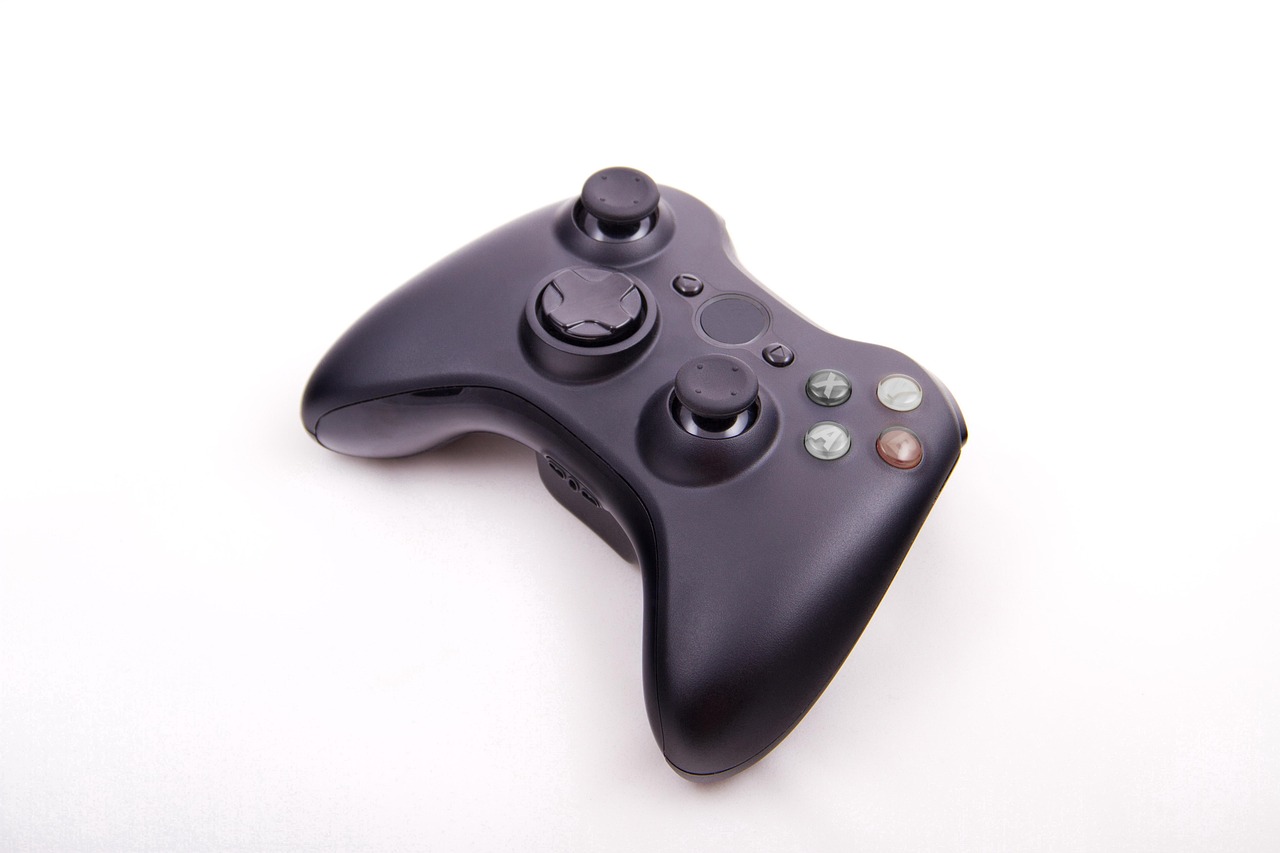
The console wars have evolved. Here is the honest state of each platform and what each offers in 2026.
Console gaming in 2026 exists in a state of significant transition. PlayStation 5 has established itself as the dominant hardware seller of the generation; Xbox has pivoted toward Game Pass subscription and multi-platform availability rather than exclusive hardware sales; and Nintendo continues its own path with the Switch successor. Each platform has made strategic choices that produce meaningfully different experiences and business models. Here is the honest assessment of where each stands.
PlayStation 5: The Hardware Leader
Sony's PS5 has won the current generation hardware race by most measures, with cumulative sales significantly exceeding Xbox Series X/S. The exclusive game strategy — first-party titles that are PS5 exclusive or timed exclusive — has continued to drive hardware purchases. The SSD architecture that made loading times near-instantaneous has become standard expectation rather than differentiator. Sony's studio acquisitions over the past five years have deepened the exclusive pipeline. The honest limitation: PlayStation's first-party output has been slower than Sony's own historical pace, with significant gaps between major releases that the installed base has noticed.
Xbox: The Subscription Bet
Microsoft's Xbox strategy has fundamentally shifted from hardware sales competition to Game Pass subscription growth and multi-platform availability. First-party Xbox games now launch on PC day one alongside console, and Microsoft's acquisition of Activision Blizzard has added Call of Duty, Overwatch, Diablo, and other major franchises to the Game Pass library. The honest assessment: Game Pass is a genuinely excellent value proposition — the library depth is unmatched. Xbox hardware has not matched PlayStation sales, and Microsoft appears to have accepted this outcome in favor of reaching players through subscription and multi-platform availability.
Nintendo: The Independent Path
Nintendo's Switch successor — launched in 2025 with significantly improved hardware capabilities while maintaining the hybrid portable/home console form factor — has followed the Switch's model of prioritizing Nintendo-exclusive content and portable play over raw performance competition. Nintendo's first-party franchises remain uniquely compelling, and the Switch successor's backward compatibility with the enormous Switch game library has provided immediate depth. The honest limitation: third-party support on Nintendo platforms remains inconsistent, and players who primarily want to play non-Nintendo games find the platform's value proposition weaker.
Bottom Line: PS5 leads hardware sales with strong first-party exclusive strategy, though output pace has slowed. Xbox has pivoted to Game Pass subscription + multi-platform — excellent value if you want broad access, weaker exclusive hardware rationale. Nintendo Switch successor maintains independent path with hybrid portability and first-party depth, weaker third-party support. The practical choice depends on which exclusive franchises matter most to you — all three platforms offer genuinely good gaming experiences.