Indian Home Cooking in 2026: The Honest Guide for Non-Indian Beginners
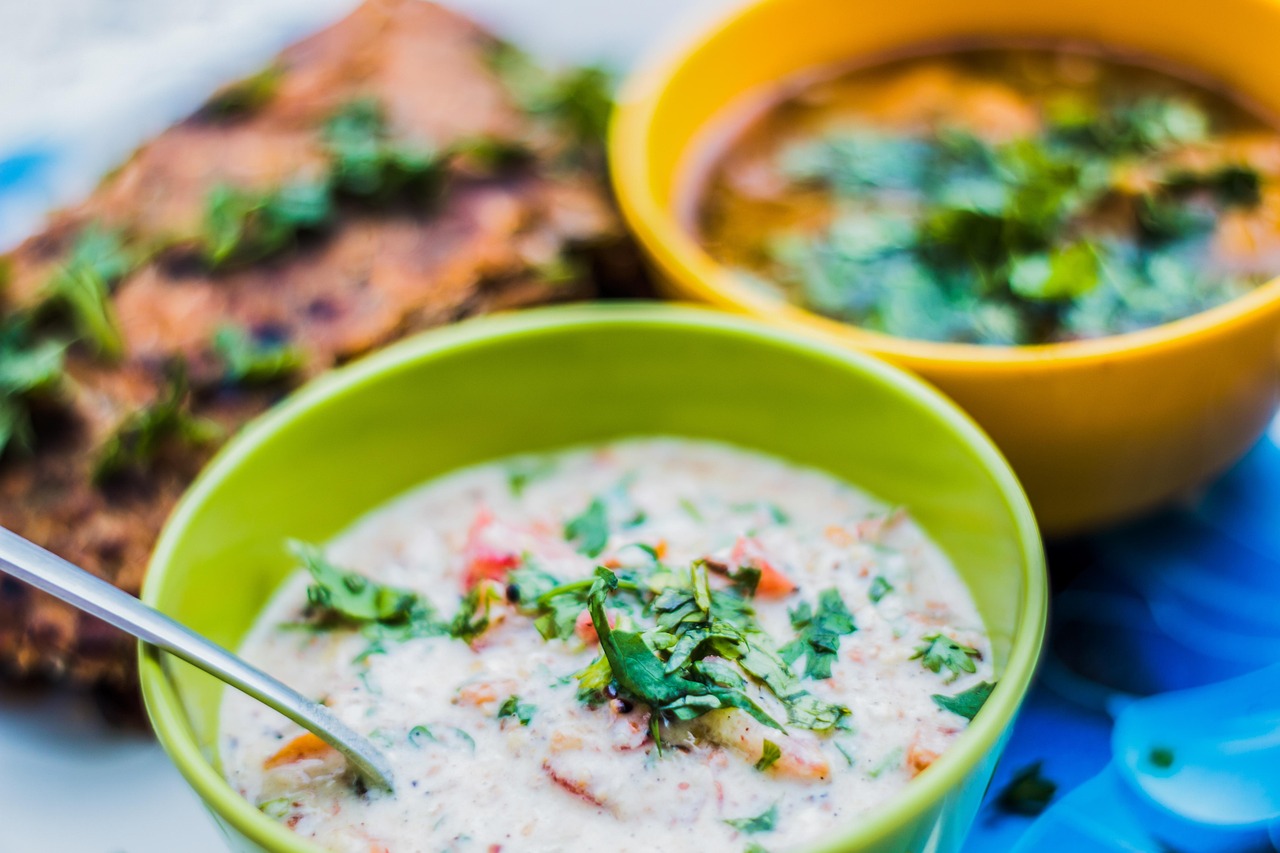
Indian cuisine is diverse and complex. Here is the honest guide to getting started with Indian home cooking without being overwhelmed.
Indian cooking is one of the most diverse, nuanced, and regionally varied culinary traditions on earth — a fact that makes "Indian cooking" as a category almost as misleading as "European cooking." The subcontinent encompasses hundreds of distinct regional cuisines, cooking traditions, and flavor profiles that share some techniques and ingredients while differing in profound ways. Here is the honest guide for beginners who want to cook Indian food at home without being overwhelmed by the actual scope of the task.
The Spice Question
The intimidation most non-Indian beginners feel about Indian cooking is predominantly spice-related — the complexity of the spice blends, the unfamiliarity of individual spices, and the uncertainty about how to combine them. The honest guide to starting: you do not need to understand all Indian spices to cook excellent Indian food. You need to understand the spices that appear in the specific recipes you cook, which are typically a subset of the full spice range. The most versatile starting point: cumin (whole seeds for tempering in oil, ground for spice blends), coriander (ground), turmeric, garam masala (a pre-made blend of warm spices), and dried chilies or chili powder. These appear in an enormous range of Indian dishes and building familiarity with their flavors through cooking is more effective than studying them abstractly.
The Technique of Tempering
Tempering — blooming whole spices in hot oil before adding other ingredients — is one of the most important and most distinctive techniques in Indian cooking. Heating whole spices in oil extracts fat-soluble flavor compounds that water-based cooking cannot access, creating a more complex and aromatic base for dishes. The technique is simple: heat oil until shimmering (medium-high), add whole spices (cumin seeds, mustard seeds, curry leaves, dried chilies), and cook until they sizzle and pop (30–60 seconds) before adding aromatics. The specific spices used for tempering vary by region and dish, but the technique is consistent.

Starting With One Regional Tradition
The most effective approach for beginners: choose one regional Indian cooking tradition to learn first rather than attempting to learn "Indian cooking" broadly. North Indian home cooking (dal, sabzi vegetable dishes, rotis) is the most widely documented and most accessible starting point for beginners — the flavor profiles are approachable, the techniques are learnable, and the recipe literature in English is extensive. South Indian cooking (dosa, idli, sambar, rasam) has distinct fermentation-based techniques that reward separate focus. Bengali, Gujarati, and Maharashtrian cuisines each have distinctive characters worth exploring as separate traditions.
Bottom Line: "Indian cooking" encompasses hundreds of distinct regional cuisines — approach it by learning one regional tradition first rather than the full scope. Spice intimidation is manageable by starting with the specific spices in specific recipes rather than studying the full range abstractly — cumin, coriander, turmeric, garam masala, and chili cover a vast range of dishes. Tempering (blooming whole spices in hot oil) is the most important distinctive technique — 30–60 seconds of sizzling spices in oil before adding other ingredients creates complexity unavailable through other cooking methods. North Indian home cooking is the most accessible starting point for beginners in terms of available English-language recipes and approachable flavor profiles.