How Restaurants Actually Work in 2026: What Diners Do Not Know About the Industry
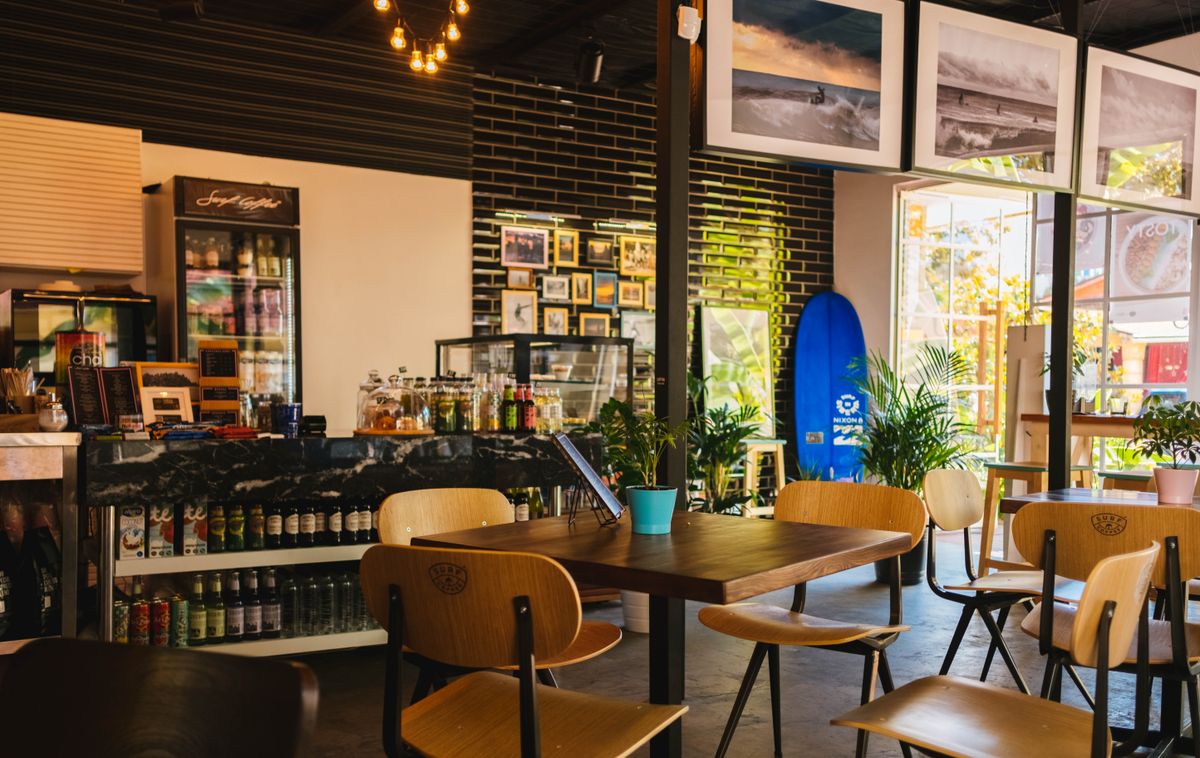
I spent years working in professional kitchens before transitioning to food writing, and the restaurant industry looks different from the inside than from a diner's chair. The realities of restaurant economics, kitchen operations, and the gap between what diners believe and what is actually happening are significant. Here is the honest guide to how restaurants actually work in 2026.
The Economics: Why Restaurants Are Hard Businesses
Restaurants operate on some of the thinnest margins of any business — typical net profit margins range from 2-9%, with many restaurants operating at or near break-even in normal conditions. The food cost-labor cost-overhead structure leaves little margin for error. Food cost (the actual cost of ingredients) typically accounts for 25-35% of revenue for a full-service restaurant. Labor cost (kitchen and front-of-house staff) accounts for another 30-35%. Occupancy (rent, utilities, insurance) takes another 15-20%. These three categories alone consume 70-90% of revenue before accounting for equipment, supplies, marketing, credit card processing fees, and dozens of other operating expenses. The remainder, if positive, is profit. This arithmetic explains why restaurant failure rates are high — the combination of thin margins and fixed costs means a modest revenue shortfall produces disproportionate losses. It also explains why menu prices have risen significantly in 2024-2026: labor costs and food costs have both increased substantially, and the alternative to price increases is operating at a loss.
The Kitchen Reality
Professional kitchens operate on mise en place — everything in its place — the system where all components are prepped and organized before service begins. The dish that takes 8 minutes at your table took hours of prep before service. The steak was not cooked from raw when you ordered it at peak service; it was likely tempered (brought partway toward cooking temperature in the oven or resting) and finished to order. Stocks and sauces were made days or hours earlier. Vegetables were cut, proteins were portioned, and garnishes were prepped during the hours before service. This system allows a kitchen of five or six people to serve two hundred covers in three hours — something impossible if everything started from raw. The revelation for diners: what distinguishes a great restaurant from a mediocre one at the same price point is usually the quality of the prep work done before you arrive, not the cooking visible at your table.
Tipping: What the Research Shows
The tipping system in the US is one of the most studied and most controversial service industry practices. The research consistently shows that tip amounts correlate more strongly with server appearance, weather, and payment method than with actual service quality — the metric tips are supposed to measure. The server who smiles, touches the customer's arm briefly, draws a smiley face on the check, and gives a weather forecast when presenting the bill receives significantly higher tips than an equally skilled server who does not perform these specific behaviors. This suggests tips measure performance of specific social behaviors rather than service quality. The no-tipping model — some restaurants have attempted to eliminate tips in favor of higher menu prices and better base wages — has failed in most US implementations because customers reduce their total spend when prices are higher even if the total cost including tip would be equivalent.
When Restaurants Want You to Order What
Menu engineering — the deliberate design of menus to guide ordering toward profitable items — is a serious discipline with specific techniques. High-margin items are typically placed in the upper right corner of the menu (where eyes go first on a traditional menu layout) or are set apart visually with boxes or illustrations. Items described with specific origin details (grass-fed, locally sourced, hand-selected) generate more orders regardless of price than identical items described generically. The cheapest item on a menu section is typically avoided by customers who do not want to appear cheap; the most expensive is avoided by customers who do not want to appear extravagant. The second-cheapest wine by the glass is typically the most profitable choice for restaurants because of this behavior pattern.
Honest Bottom Line: Restaurant net margins are 2-9% — the combination of food cost (25-35%), labor (30-35%), and occupancy (15-20%) leaves minimal buffer for error. What distinguishes great restaurants: quality of prep work done before service, not cooking visible at your table. Tip amounts correlate with specific social behaviors (smiling, touching, drawing smiley faces) more than actual service quality — a limitation of the system as quality measurement. Menu engineering deliberately places high-margin items in visual priority positions and uses specific description language that increases both perceived value and order rate. The second-cheapest wine is typically the highest-margin choice for restaurants.

Carlos Mendez is a food writer, trained chef, and culinary anthropologist who has eaten his way through 50 countries studying how food cultures develop and what they reveal about the societies that create them. He covers...
![How to Order at a Restaurant [2026]: What the Menu Doesn't Tell You](/img/posts/how-to-order-restaurant-honest-2026-92a41b12.jpg)
![Wine Pairing [2026]: The Rules That Help and the Ones You Can Ignore](/img/posts/fix-wine-pairing-honest-guide-2026-d10cbada.jpg)
![How to Use Restaurant Reviews [2026]: Yelp vs Google vs Michelin](/img/posts/fix-restaurant-reviews-how-to-read-hone-d5bbd264.jpg)
![Tipping Culture in: The Honest Guide [2026]](/img/posts/fix-tipping-culture-honest-2026-2e6d002d.jpg)