Korean Street Food in 2026: The Honest Guide Beyond Tteokbokki and Hotteok
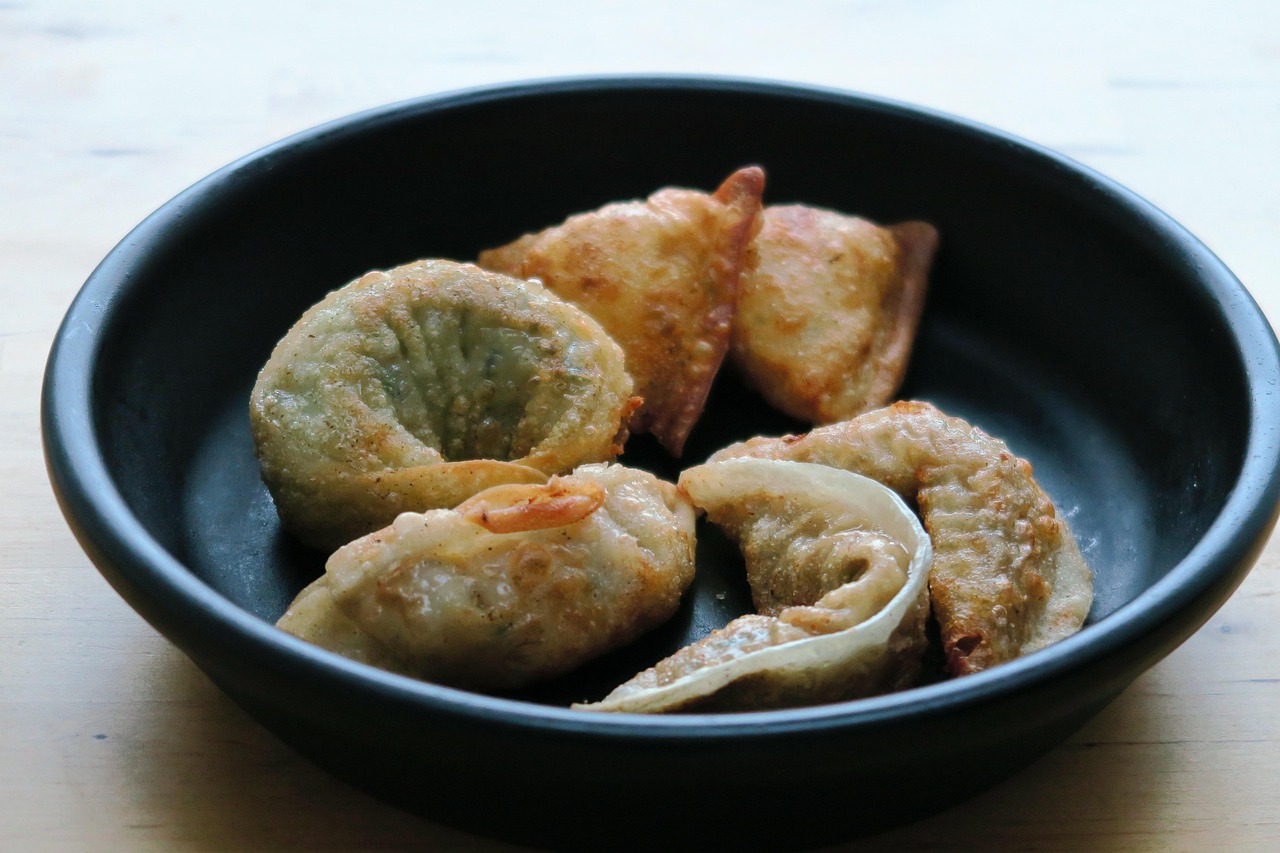
Korean street food has gone global. Here is the honest guide to what you will actually find and what is worth seeking out.
Korean street food has achieved global recognition through K-drama food scenes, YouTube food content, and the general rise of Korean cultural exports. The international familiarity with tteokbokki (spicy rice cakes), hotteok (sweet filled pancakes), and odeng (fish cake skewers) has created both genuine appetite for the cuisine and a somewhat simplified understanding of what Korean street food actually encompasses. Here is the honest guide to what the tradition actually involves.
The pojangmacha Tradition
Korean street food culture is inseparable from the pojangmacha — the covered street stall with orange tarpaulin that has been a fixture of Korean street life for decades. These small establishments serve food and often alcohol in an informal, communal setting that is part culinary experience and part social institution. The pojangmacha has been romanticized in K-drama and is genuinely an important part of urban Korean food culture, though modernization has reduced their numbers in some areas. The experience of eating at a pojangmacha — standing or perching on a stool, communal eating with strangers becoming brief companions — is as much the point as the food itself.
Beyond the Famous Items
The Korean street food canon known internationally represents a fraction of the actual range. Less internationally known but worth seeking: sundae (blood sausage with glass noodles — more mild and approachable than international blood sausage associations suggest), eomuk tang (fish cake soup served from street carts, eaten while holding the skewer in the broth to stay warm — a specifically cold-weather Korean street food experience), tornado potatoes (spiral-cut potato on a skewer, fried — genuinely good), and twigim (various items fried to order — squid, vegetables, sweet potato, served with dipping sauce). The regional variation in Korean street food is substantial and worth exploring beyond Seoul's standardized tourist-facing offerings.

The Ordering Reality
Korean street food ordering in Korea, particularly at traditional pojangmacha, involves minimal English and often no written menu — pointing and gesturing is standard practice and generally accepted with good humor. The price and payment structure is informal; most street food items cost 1,000–5,000 won and payment is cash, though mobile payment through Korean apps has become common. The experience of navigating food ordering without shared language is part of the street food experience that international visitors who approach it tentatively miss.
Bottom Line: Korean street food culture centers on the pojangmacha (covered street stall) as much as specific dishes — the communal, informal eating experience is integral. International recognition of tteokbokki and hotteok represents a narrow slice of the actual range — sundae, eomuk tang, twigim, and regional specialties are worth seeking. Ordering at traditional pojangmacha involves minimal English; pointing and gesturing is accepted practice. Regional variation in Korean street food is substantial and more interesting than Seoul's tourist-standardized offerings.