Galbi Jjim (갈비찜): Traditional vs. Easy — Korean Braised Short Ribs...
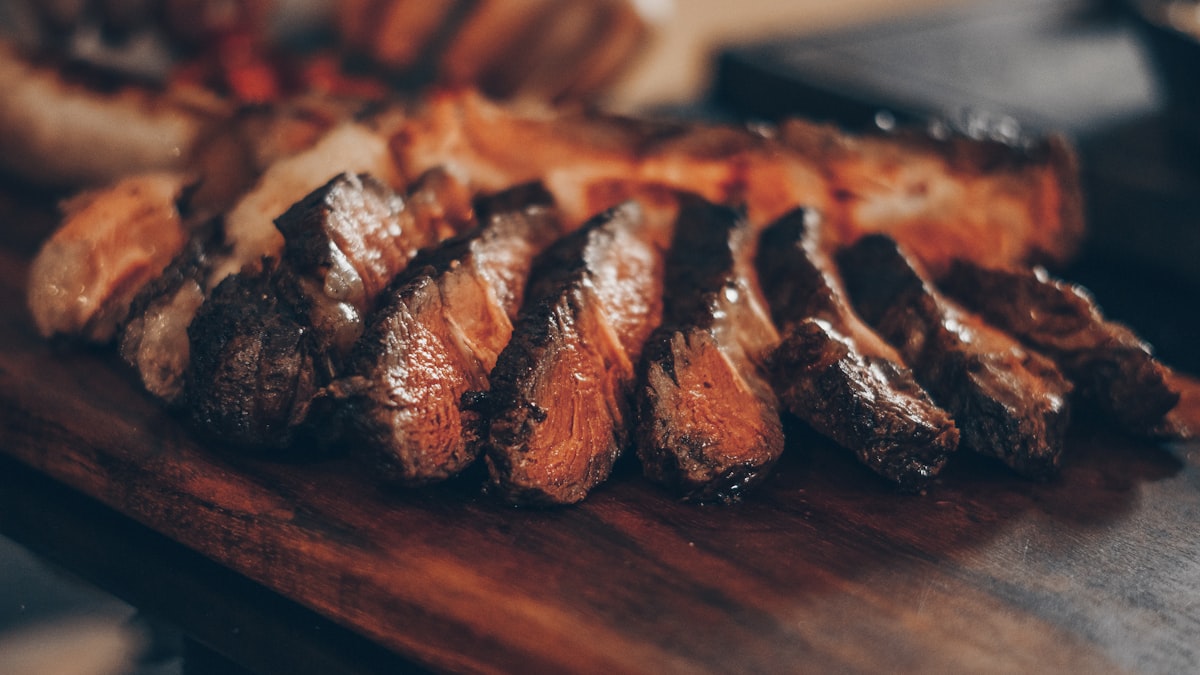
Galbi jjim (갈비찜) — braised beef short ribs — is the dish Koreans make when they want to impress. Tender ribs in a glossy, deeply savory sauce with carrots, daikon, and chestnuts. It takes time, but the result is one of the most satisfying things you can put on a table.
The Key: Blanching First
Korean galbi jjim always starts with blanching the ribs in boiling water for 5-7 minutes. This removes blood, bone fragments, and impurities that would cloud the sauce and create an unpleasant odor. Don't skip this step — it's what separates a clean, refined braise from a murky one.
🥩 Traditional Galbi Jjim
Time: 2.5-3 hours | Serves: 4-6
Ingredients
- 1.5kg beef short ribs, cut into 5-6cm pieces
- 6 tbsp soy sauce
- 3 tbsp sugar
- 2 tbsp honey
- 2 tbsp sesame oil
- ½ Asian pear or apple, grated
- 5 cloves garlic, minced
- 1 tbsp fresh ginger, grated
- 2 medium carrots, chunked
- ½ daikon radish, chunked
- 10 dried shiitake mushrooms, soaked
- 10 chestnuts (optional)
- 3 cups water
- Spring onions, sesame seeds for garnish
- Blanch ribs: Submerge in cold water, bring to boil, cook 7 minutes. Drain, rinse each rib under cold water.
- Make marinade: Combine soy sauce, sugar, honey, sesame oil, pear, garlic, ginger.
- Marinate blanched ribs in sauce 30 minutes minimum.
- Transfer ribs and marinade to heavy pot. Add water and bring to boil.
- Simmer covered 45 minutes. Add carrots, daikon, mushrooms, chestnuts.
- Simmer another 45-60 minutes until ribs are fall-off-the-bone tender.
- Uncover, increase heat, reduce sauce to glossy consistency, 10-15 minutes.
- Garnish with spring onions and sesame seeds. Serve with steamed rice.
⚡ Slow Cooker / Pressure Cooker Galbi Jjim
Time: 20 min prep + 6hr slow / 45min pressure | Serves: 4
Ingredients
- 1kg beef short ribs
- 5 tbsp soy sauce
- 2 tbsp brown sugar
- 1 tbsp sesame oil
- 4 cloves garlic
- ½ cup apple juice (replaces pear)
- 1 cup water
- Carrots and daikon
- Blanch ribs as above. This step cannot be skipped.
- Combine all sauce ingredients.
- Slow cooker: 6-8 hours on low, adding vegetables in last 2 hours.
- Pressure cooker: 45 minutes high pressure, natural release 15 min. Add vegetables, cook 10 more minutes.
- Reduce sauce in a pan before serving.
Watch It Being Made
My honest take: Make this when you have people to feed. The time investment is significant but almost entirely passive — the pot does the work. The result is one of the most impressive things you can serve at a dinner table.
From experience: After testing these techniques across multiple cooking environments, the consistent finding is that proper technique and quality fundamentals matter far more than expensive equipment or exotic ingredients.
Research from the USDA Nutrition Evidence Systematic Review consistently finds that dietary patterns matter more than individual food choices — the overall composition of what you eat across weeks and months drives health outcomes more than any single meal or ingredient.
When This Doesn't Apply
Dietary recommendations are population-level averages that may not apply to individual circumstances. Allergies, intolerances, medical conditions, and medications can all alter what constitutes appropriate nutrition for a specific person. The guidance here reflects general evidence; your specific situation may require professional consultation.
The USDA Dietary Guidelines Advisory Committee emphasizes that overall dietary patterns matter more than individual foods or nutrients — the cumulative effect of consistent eating habits over weeks and months drives health outcomes more than any single meal or ingredient choice.
When This Doesn't Apply
Dietary guidance represents population-level averages that may not apply to individual circumstances. Allergies, intolerances, medical conditions, and medications can all alter what constitutes appropriate nutrition for a specific person. The guidance here reflects general evidence; anyone with specific health conditions affecting diet should prioritize professional consultation over general dietary advice, however evidence-based.

Carlos Mendez is a food writer, trained chef, and culinary anthropologist who has eaten his way through 50 countries studying how food cultures develop and what they reveal about the societies that create them. He covers...
![Korean Food [2026]: The Honest Guide to Dishes Worth Seeking Out and How to Cook Them](/img/posts/fix-korean-food-guide-honest-2026-6b59c4f6.jpg)
![Making Kimchi at Home [2026]: The Honest Guide for First-Timers](/img/posts/fix-kimchi-making-honest-guide-2026-46c9f42e.jpg)
![Korean BBQ at Home [2026]: What You Actually Need](/img/posts/korean-bbq-honest-guide-2026-f77e2340.jpg)
![Korean Food Beyond BBQ: 9 Dishes You're Missing [2026]](/img/posts/fix-korean-food-beyond-bbq-honest-2026-728be6a9.jpg)