Umami in 2026: The Fifth Taste Explained and How to Use It in Everyday Cooking
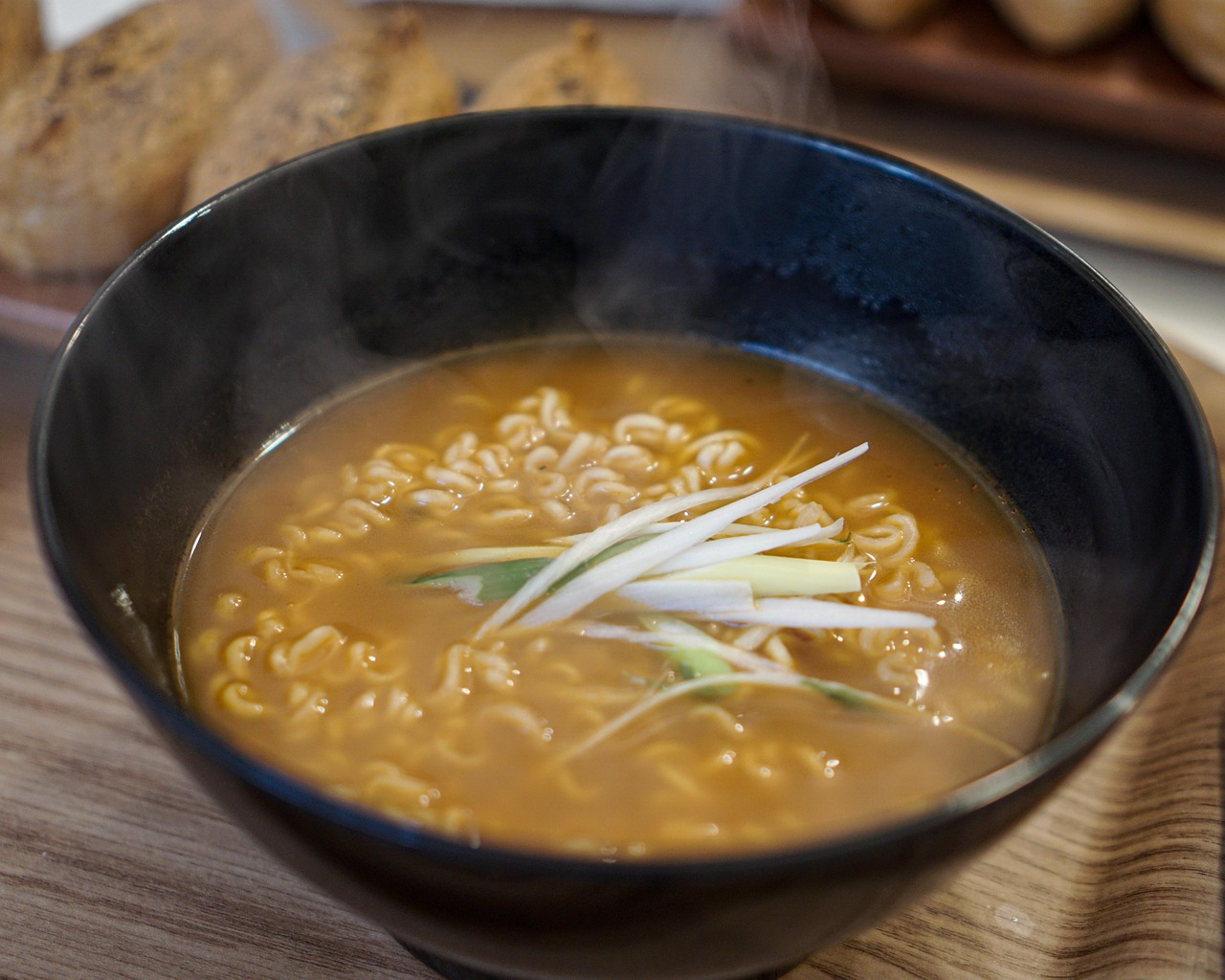
Umami — the fifth basic taste alongside sweet, sour, salty, and bitter — is real, it is measurable, and it is the key to understanding why certain foods taste remarkably satisfying while others feel like they are missing something. I have worked as a chef and studied culinary anthropology, and umami is one of those concepts that genuinely changes how you cook once you understand it. Here is the honest guide to what umami actually is and how to use it deliberately.
What Umami Actually Is
Umami was identified as a distinct taste in 1908 by Japanese chemist Kikunae Ikeda, who isolated glutamate from kombu seaweed as the compound responsible for the distinctive savory depth of dashi broth. The word means something like pleasant savory taste in Japanese. The compounds that produce umami perception: glutamates (glutamic acid and its salts, particularly monosodium glutamate or MSG), inosinate (inosinic acid, found in meat and fish), and guanylate (guanylic acid, found in dried mushrooms). The synergy between these compounds is important: the combination of glutamate with either inosinate or guanylate produces umami perception dramatically more intense than either alone — roughly eight times more intense by some estimates. This is why traditional broths and stocks that combine meat (inosinate) with vegetables and aromatics (glutamate) taste so much more satisfying than either alone.
Foods High in Umami Compounds
Glutamate-rich foods: parmesan cheese and aged cheeses generally (parmesan has the highest glutamate content of common foods at approximately 1,200mg per 100g), tomatoes especially ripe or concentrated, soy sauce and other fermented condiments, fish sauce, miso paste, anchovies, mushrooms especially dried, and green tea. Inosinate-rich foods: cured and cooked meats, dried fish (bonito/katsuobushi), and most animal proteins. Guanylate-rich foods: dried shiitake mushrooms have exceptionally high guanylate content, which is why they are such a powerful flavor enhancer. The traditional Japanese combination of kombu (glutamate) and bonito flakes (inosinate) to make dashi is a perfect illustration of umami synergy — neither ingredient alone produces the depth that the combination achieves.
MSG: The Most Misunderstood Ingredient
Monosodium glutamate (MSG) is the isolated sodium salt of glutamic acid — pure umami. It is produced through fermentation (the same process that produces soy sauce and other fermented condiments) and is chemically identical to the glutamate found naturally in parmesan, tomatoes, and other foods. The MSG allergy and Chinese Restaurant Syndrome claims that spread in the late 1960s have been thoroughly investigated and consistently fail to be confirmed in double-blind studies — subjects who claim MSG sensitivity cannot distinguish MSG-containing food from identical control food without MSG. The FDA classifies MSG as generally recognized as safe. The irony: people who avoid MSG for health reasons often freely eat parmesan, soy sauce, and worcestershire sauce, which deliver similar or higher amounts of the same glutamate compound. MSG used judiciously as a seasoning (about one-third to one-half the amount of salt you would use) adds depth to soups, stir-fries, marinades, and braises without adding the saltiness or the other flavor compounds in ingredients like soy sauce.
Building Umami in Everyday Cooking
The practical techniques: tomato paste instead of fresh tomatoes in long-cooked dishes concentrates glutamate dramatically. Anchovy paste dissolved into a sauce at the start of cooking adds umami without any fishy flavor in the finished dish. Parmesan rinds simmered in soups and stews add significant depth. Dried mushrooms rehydrated and added with their soaking liquid contribute both guanylate and the liquid carries it through the dish. Soy sauce used in small amounts as a seasoning in non-Asian dishes adds umami without identifiable soy flavor. Worcestershire sauce works similarly. The combination approach — using multiple moderate umami sources rather than one intense source — produces the most balanced and interesting results.
Honest Bottom Line: Umami is real, measurable, and produced primarily by glutamate, inosinate, and guanylate compounds — the combination of two produces dramatically more umami than either alone. The richest everyday umami sources: parmesan cheese, tomato paste, soy sauce, fish sauce, miso, anchovies, and dried mushrooms. MSG is safe, well-studied, and delivers pure glutamate umami — the health claims against it have not been confirmed in double-blind studies. Building umami in everyday cooking: use tomato paste for long-cooked dishes, add anchovy paste to sauces, simmer parmesan rinds in soups, and combine multiple moderate umami sources rather than relying on a single intense one.

Carlos Mendez is a food writer, trained chef, and culinary anthropologist who has eaten his way through 50 countries studying how food cultures develop and what they reveal about the societies that create them. He covers...

![Home Restaurant Cooking [2026]: The Science That Separates Home Cooks from Chefs](/img/posts/home-restaurant-cooking-science-2026-76d08b21.jpg)
![Food Myths Debunked [2026]: What Nutrition Science Actually Shows vs What We Were Told](/img/posts/fix-food-myths-honest-debunked-2026-1e3f8337.jpg)
![The Science of Fermentation [2026]: What Actually Happens](/img/posts/fix-fermentation-honest-science-2026-7c4ce4a0.jpg)