Cryptocurrency [2026]: Honest Risk Assessment Before You Invest
![Cryptocurrency [2026]: Honest Risk Assessment Before You Invest](/img/posts/1518546305927-5a555bb7020d.jpg)
Cryptocurrency in 2026 is a basically different landscape from the 2020-2022 boom-and-bust cycle that burned so many retail investors. Institutional adoption has matured, regulatory frameworks have clarified in most major markets, and the market has consolidated around a smaller number of assets with genuine utility. This guide cuts through the noise and gives you what you actually need to know.
What Crypto Actually Is (Without the Jargon)
Cryptocurrency is digital money that runs on decentralized networks — meaning no single bank, government, or company controls it. Transactions are recorded on a public ledger (the blockchain) that anyone can verify but no one can alter. Bitcoin, the original cryptocurrency, was designed to be a censorship-resistant store of value. Ethereum was designed as a programmable platform for financial applications.
The honest summary: some cryptocurrencies solve real problems. Most don't. The challenge is telling them apart.
Bitcoin in 2026: The Institutional Asset
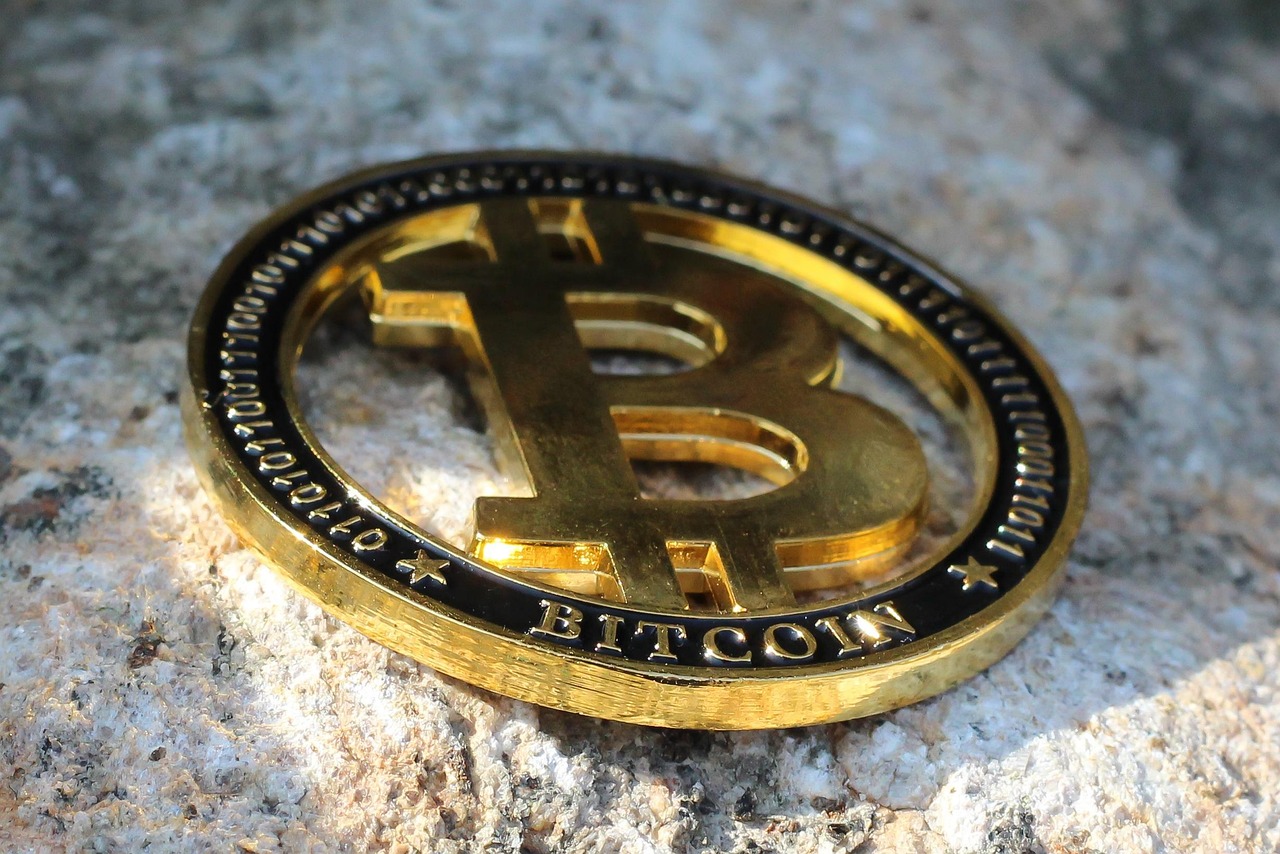
Bitcoin has actually become a digital alternative to gold in the portfolios of major financial institutions. In 2026, Bitcoin ETFs are available in most developed markets, allowing investors to gain exposure without managing private keys. The four-year halving cycle (which reduces new Bitcoin supply by 50%) occurred in April 2024, and historical patterns suggest the 18 months following each halving have produced the strongest returns. I was skeptical at first, but the evidence kept pointing the same direction.
Ethereum in 2026: The Platform Play
Ethereum's transition to proof-of-stake in 2022 solved its energy consumption problem and made the network deflationary under most conditions. In 2026, Ethereum processes the majority of decentralized finance (DeFi) transactions globally and hosts most of the significant real-world asset tokenization projects. It's a bet on the future of programmable finance rather than simply a currency.
How Much Should You Invest in Crypto?
The standard financial advice for a moderately risk-tolerant investor in 2026: 5-10% of your investment portfolio in crypto, weighted toward Bitcoin and Ethereum. This allocation captures the upside if crypto continues its adoption trajectory while limiting losses if it doesn't. Never invest more than you can afford to lose entirely — the asset class remains highly volatile.
How to Avoid Crypto Scams in 2026
- If it promises guaranteed returns, it's a scam. No legitimate investment guarantees returns.
- Avoid anything that requires recruiting others. That's a pyramid scheme with a crypto wrapper.
- Research who built it. Anonymous founders are a red flag. Legitimate projects have verifiable teams.
- Never share your seed phrase. Anyone asking for it is stealing your funds.
- Use regulated exchanges. Coinbase, Kraken, and Binance (in supported regions) are seriously safer than unregulated platforms.
Real talk: The best financial strategy is the one you'll follow for 30 years without quitting.
Research from Vanguard consistently demonstrates that low-cost index fund investing outperforms actively managed funds in approximately 88% of cases over 15-year periods — making investment simplicity one of the most thoroughly evidence-supported financial strategies available.
The Important Caveats
Past performance does not predict future returns — a disclaimer so frequently repeated it has lost its weight, but which remains critically important. Every investment strategy carries risk of loss, including low-cost index investing. Individual financial circumstances vary enormously, and strategies appropriate for one person can be inappropriate for another. This is financial information, not financial advice — your specific situation may require professional consultation.

James Park spent 12 years as an investment analyst at a mid-market financial services firm before transitioning to financial journalism. He covers personal finance, investing, and the economics of everyday decisions with...
![Crypto Regulation [2026]: What the New Rules Mean for Investors](/img/posts/fix-crypto-regulation-honest-2026-4ca679a9.jpg)
![Bitcoin and Crypto [2026]: Honest Assessment After the Hype](/img/posts/unique-852-0d0d3c56.jpg)
![Crypto Scams [2026]: 7 Red Flags That Should Make You Run](/img/posts/unique-597-3c2fd55f.jpg)