Crypto Investing [2026]: 5 Things You Must Know Before Starting
![Crypto Investing [2026]: 5 Things You Must Know Before Starting](/img/posts/fix-crypto-investing-honest-guide-2026-d71febc8.jpg)
Cryptocurrency has been through enough cycles now that the people who've been in the space since 2017 or earlier have a different perspective than those who arrived during the 2020-2021 bull run or the subsequent correction. Here is the honest guide for someone approaching crypto investing in 2026, without the evangelical enthusiasm or the complete dismissal that characterizes most coverage.
What Crypto Is and Isn't
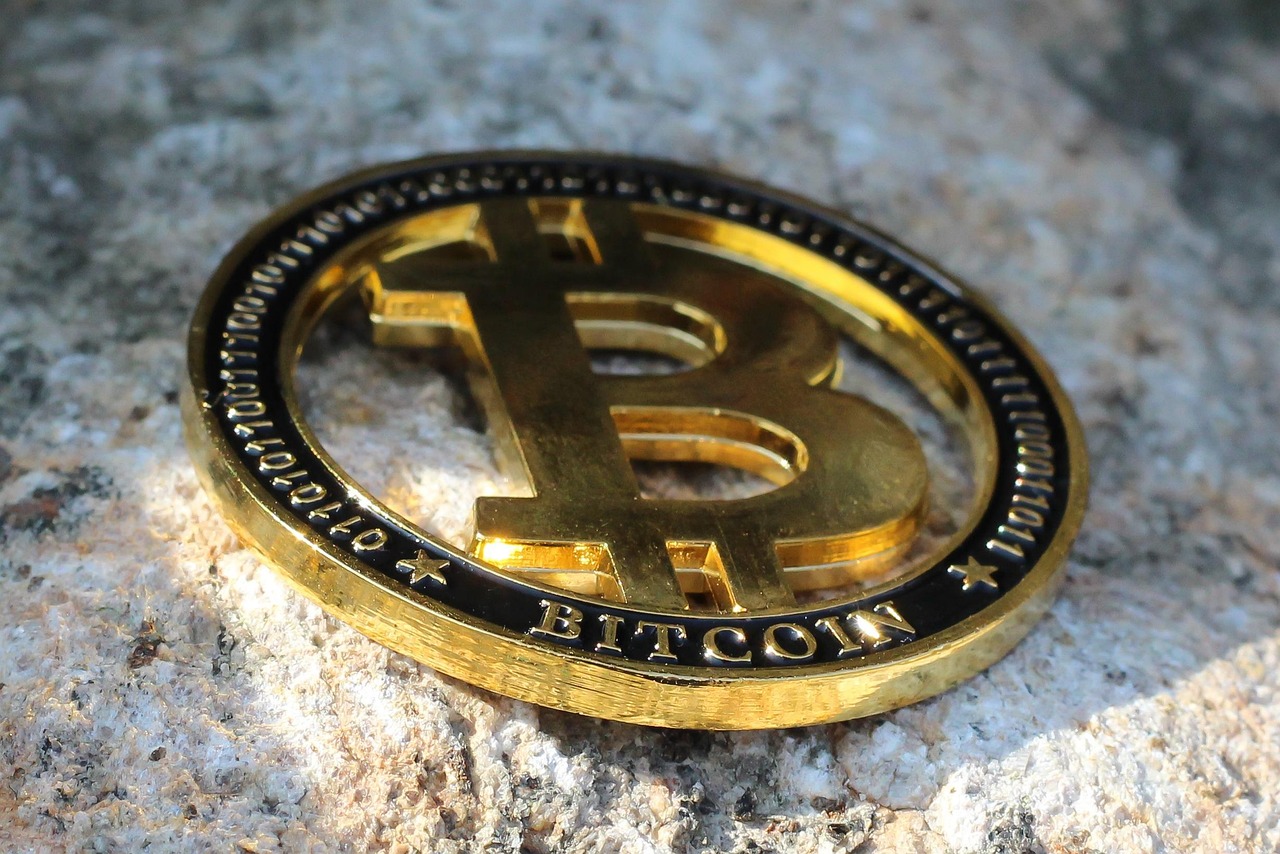
Bitcoin is a decentralized digital asset with a fixed supply, no central authority, and a 15-year track record as a store of value and speculative asset. It's not a currency in everyday use (transaction costs and confirmation times make it impractical for daily purchases in most situations), and it's not a stable store of value in the short to medium term (30-50% price swings within a year are historical norms). What it has proven to be: an asset with significant long-term appreciation over any multi-year period since its creation, with volatility that makes it a poor substitute for stable savings but a potentially meaningful component of a risk-tolerant investment portfolio.
Ethereum is a programmable blockchain that hosts a large ecosystem of decentralized applications, including DeFi (decentralized finance) protocols and NFT infrastructure. Its value proposition is more directly tied to the health and growth of its application ecosystem than Bitcoin's, which is a simpler supply-scarcity value proposition. Other cryptocurrencies vary enormously in their underlying value propositions, liquidity, and risk profiles — the "just buy some altcoins" advice that circulates during bull markets has produced catastrophic losses for investors who acted on it at peak valuations.
The Portfolio Allocation Question
For investors who want exposure to cryptocurrency, the most defensible portfolio approach is a small allocation (1-5% of total investment portfolio) in the established major assets (Bitcoin, Ethereum) rather than concentrated positions in smaller cryptocurrencies. The 1-5% size means a complete loss of the crypto position would be painful but not catastrophic, while a large appreciation would have meaningful portfolio impact. This allocation size is what institutional investors and financial advisors who include crypto in portfolios typically suggest.
Putting a significant portion of savings into cryptocurrency — the approach encouraged by crypto community content — is the approach that has produced both the large gains and the devastating losses in crypto's history. The people who made outsized gains typically entered at the right time, held through multiple cycles, and had the psychological fortitude to maintain positions through 80%+ drawdowns. The people who lost significantly typically bought during enthusiasm peaks, panic-sold during corrections, or held assets that went to near-zero. The survivorship bias in "crypto success story" content is severe.
Custody and Security
The "not your keys, not your coins" principle is real and important: cryptocurrency held on an exchange is dependent on that exchange's solvency and security, as the FTX collapse in 2022 and other exchange failures demonstrated. For any meaningful crypto holding, self-custody (using a hardware wallet to hold private keys yourself rather than entrusting them to an exchange) is the appropriate security practice. Hardware wallets (Ledger, Trezor) cost $60-150 and provide genuinely significant security improvement over exchange custody.
Tax Treatment: The Complexity Most People Ignore
Cryptocurrency is taxed as property in most jurisdictions (including the US), which means every trade, sale, and in many jurisdictions every use of crypto to purchase something creates a taxable event. The tax complexity of active crypto trading — tracking cost basis across multiple transactions, reporting correctly — is significant and often underestimated by new investors. Using crypto tax software (CoinTracker, Koinly, TaxBit) and consulting a tax professional familiar with crypto significantly reduces this complexity.
My honest take: A 1-5% allocation in Bitcoin and Ethereum is defensible for risk-tolerant investors. Concentrated crypto positions are speculation, not investment. Use a hardware wallet for meaningful holdings. Track the tax implications from day one.
From experience: Analyzing financial outcomes across different income levels and spending patterns reveals one consistent truth: behavior matters far more than income, and small consistent habits compound more dramatically than most people expect.
Research from Vanguard consistently demonstrates that low-cost index fund investing outperforms actively managed funds in approximately 88% of cases over 15-year periods — making investment simplicity one of the most thoroughly evidence-supported financial strategies available.
The Important Caveats
Past performance does not predict future returns — a disclaimer so frequently repeated it has lost its weight, but which remains critically important. Every investment strategy carries risk of loss, including low-cost index investing. Individual financial circumstances vary enormously, and strategies appropriate for one person can be inappropriate for another. This is financial information, not financial advice — your specific situation may require professional consultation.

James Park spent 12 years as an investment analyst at a mid-market financial services firm before transitioning to financial journalism. He covers personal finance, investing, and the economics of everyday decisions with...
![Crypto Regulation [2026]: What the New Rules Mean for Investors](/img/posts/fix-crypto-regulation-honest-2026-4ca679a9.jpg)
![Bitcoin and Crypto [2026]: Honest Assessment After the Hype](/img/posts/unique-852-0d0d3c56.jpg)
![Crypto Scams [2026]: 7 Red Flags That Should Make You Run](/img/posts/unique-597-3c2fd55f.jpg)