Bitcoin ETFs in 2026: What They Are, What They Changed, and What They Didn't
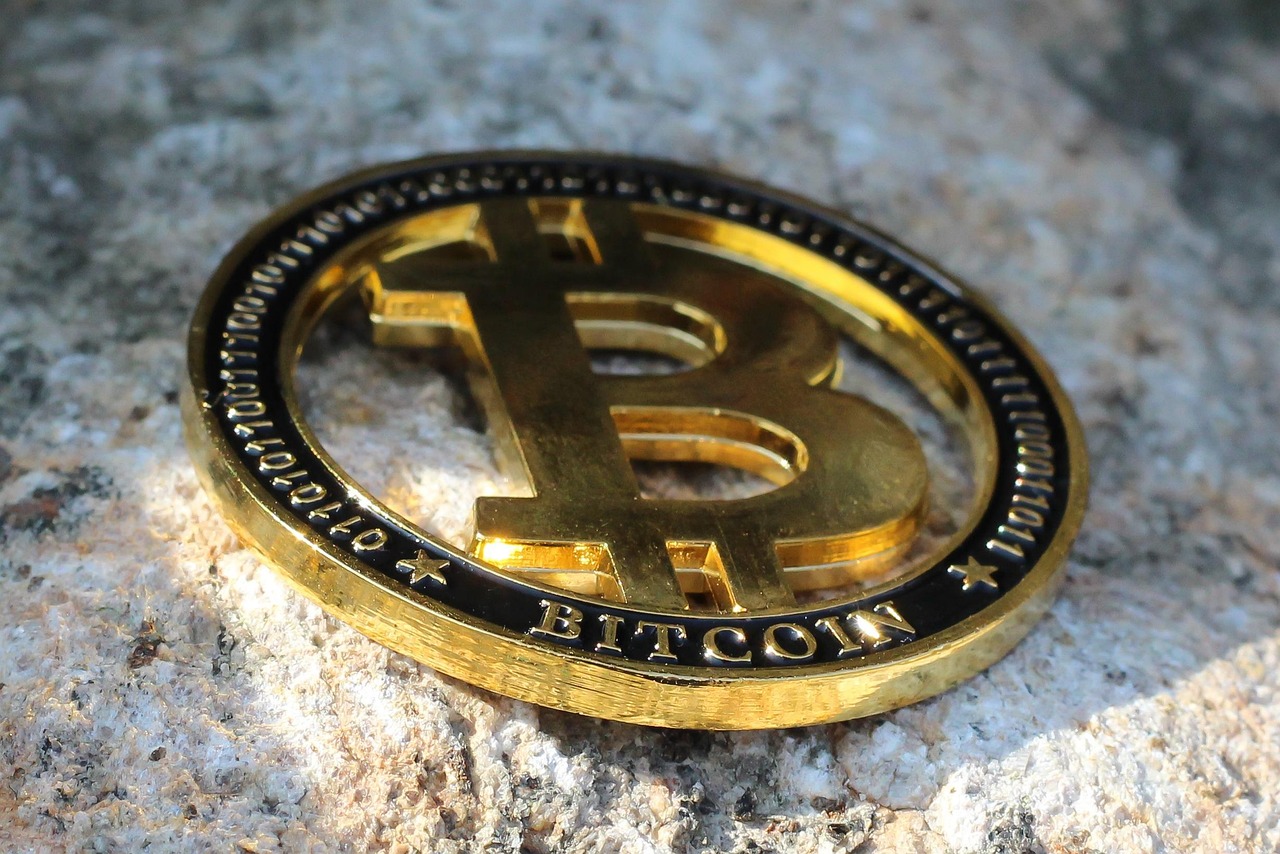
The SEC's January 2024 approval of spot Bitcoin ETFs was described as a watershed moment for cryptocurrency investing. After the initial months of actual ETF trading, the picture is clearer about what the ETFs actually changed and what they didn't. The honest assessment is more nuanced than either the "this legitimizes Bitcoin" narrative or the "nothing has changed" counternarrative.
What a Spot Bitcoin ETF Actually Is
A spot Bitcoin ETF is a fund that holds actual Bitcoin and issues shares that trade on traditional stock exchanges. When you buy shares of IBIT (BlackRock's iShares Bitcoin Trust) or FBTC (Fidelity's Wise Origin Bitcoin Fund), you're buying a security whose value tracks Bitcoin's price, backed by actual Bitcoin held in custody by the issuer.
This differs from the Bitcoin futures ETFs approved earlier (like BITO): futures ETFs track Bitcoin futures contracts rather than actual Bitcoin, which creates tracking error over time and imposes roll costs as futures contracts expire. Spot ETFs eliminate these issues — the price tracks actual Bitcoin minus the expense ratio.
What the ETFs Actually Changed
Access for institutional investors was the primary practical change. Many pension funds, registered investment advisors, and institutional investors have mandates or regulatory constraints that prohibit direct cryptocurrency ownership but permit exchange-traded securities. The ETF wrapper makes Bitcoin accessible to these investors for the first time.
The inflows in the first year confirmed this: the Bitcoin ETFs launched in January 2024 became some of the fastest-growing ETFs in history by assets under management. BlackRock's IBIT reached $10 billion in assets in under two months — a record. The institutional demand that couldn't access Bitcoin directly clearly existed and moved quickly when the access was created.
Tax treatment was a secondary practical change. Holding Bitcoin directly requires tracking cost basis for every transaction, including purchases of goods and services. ETF shares are taxed like other securities — simpler reporting, same long-term capital gains treatment for positions held over a year.
What the ETFs Didn't Change
Bitcoin's volatility. The ETF wrapper doesn't change the underlying asset's price behavior. Bitcoin remains significantly more volatile than any mainstream asset class. An investor in IBIT who bought in February 2024 and held through the subsequent price movements experienced the same percentage gains and drawdowns as a direct Bitcoin holder, minus the expense ratio.
The fundamental investment thesis questions. Whether Bitcoin is a store of value, a speculative asset, a hedge against inflation, or all three are questions the ETF format doesn't answer. The ETFs make it easier to get exposure; they don't change the analysis of whether that exposure makes sense for a given investor.
Custody risk for the underlying asset. The Bitcoin held by ETF issuers is in custody with specialized cryptocurrency custodians. This is different risk from direct self-custody — if a custodian fails or is compromised, the ETF shares are affected. This is a different risk structure from self-custody Bitcoin but not a zero-risk structure.
Comparing the Major ETFs
The major spot Bitcoin ETFs differ primarily on expense ratio and custodian: BlackRock IBIT (0.25% expense ratio, Coinbase Custody), Fidelity FBTC (0.25%, Fidelity Digital Assets), ARK 21Shares ARKB (0.21%, Coinbase Custody), Bitwise BITB (0.20%, Coinbase Custody). These differences are small enough to not be the primary selection criterion for most investors — liquidity (IBIT and FBTC have the most volume) matters more for most investors.
Portfolio Allocation Considerations
The ETF format makes Bitcoin easier to include in a traditional investment portfolio. Whether to do so, and at what allocation, remains a judgment call about risk tolerance and investment thesis. The conventional guidance from financial planners who include Bitcoin at all is 1-5% of portfolio for risk-tolerant investors — small enough to limit downside if Bitcoin declines significantly, large enough to produce meaningful upside if the Bitcoin bull case plays out.
Honest Bottom Line: Spot Bitcoin ETFs changed Bitcoin access for institutional investors and simplified tax treatment for individuals. They did not change Bitcoin's volatility, the fundamental investment thesis debates, or the custody risks of the underlying asset. IBIT and FBTC are the most liquid options with low expense ratios. The appropriate allocation question — how much Bitcoin exposure makes sense for a given investor — is unchanged by the ETF format.

James Park spent 12 years as an investment analyst at a mid-market financial services firm before transitioning to financial journalism. He covers personal finance, investing, and the economics of everyday decisions with...
![Crypto Regulation [2026]: What the New Rules Mean for Investors](/img/posts/fix-crypto-regulation-honest-2026-4ca679a9.jpg)
![Bitcoin and Crypto [2026]: Honest Assessment After the Hype](/img/posts/unique-852-0d0d3c56.jpg)
![Crypto Scams [2026]: 7 Red Flags That Should Make You Run](/img/posts/unique-597-3c2fd55f.jpg)
![Crypto Investing [2026]: 5 Things You Must Know Before Starting](/img/posts/fix-crypto-investing-honest-guide-2026-d71febc8.jpg)