Buying Secondhand Clothing in 2026: The Honest Guide to What Is Actually Sustainable
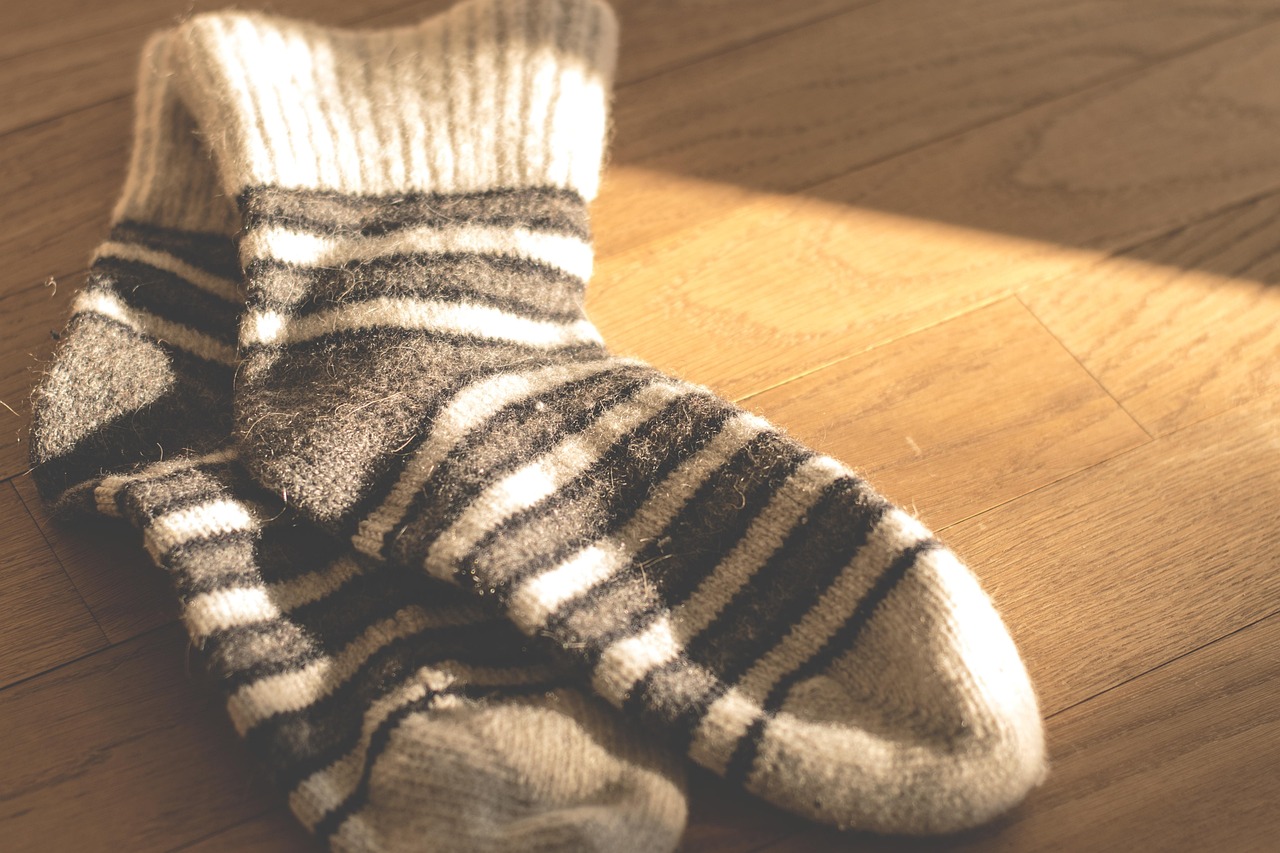
Secondhand fashion is booming but not all of it is sustainable. Here is the honest guide to what actually reduces clothing impact.
Secondhand clothing has undergone a rebranding from "thrifting" — associated with necessity or countercultural identity — to "sustainable fashion" — associated with environmental consciousness and style sophistication. This rebranding has driven enormous growth in the secondhand market, with platforms like ThredUp, Depop, and Vestiaire Collective growing substantially alongside physical thrift store expansion. The honest question is whether the growth in secondhand consumption is actually producing environmental benefit or whether it has been captured by the same overconsumption patterns that characterize fast fashion.
The Actual Environmental Case for Secondhand
The genuine environmental benefit of secondhand clothing is extending the useful life of garments that already exist, reducing the demand for new production. Clothing production is resource-intensive: cotton cultivation requires significant water and pesticide use; synthetic fiber production uses petroleum; manufacturing involves dyeing and finishing processes with significant water and chemical use. Wearing a garment 200 times rather than 50 times before it leaves use reduces the per-wear environmental impact by 75%. The most environmentally impactful secondhand behavior is buying garments you will actually wear many times rather than buying secondhand volume equivalent to fast fashion shopping patterns.
The Secondhand Paradox
The growth in secondhand consumption has a documented paradox: platforms that have made secondhand fashionable have also attracted buyers who shop secondhand at the same high frequency they previously shopped fast fashion, without the reduction in total consumption that would produce environmental benefit. A person who previously bought 40 new fast fashion pieces annually and now buys 40 secondhand pieces annually has changed the supply chain of their consumption but not the volume — the environmental benefit is present but smaller than a genuine reduction in total consumption would produce.

What Actually Reduces Clothing Impact
The interventions with the clearest environmental benefit: buying fewer, higher-quality items that are worn more times (whether new or secondhand); caring for clothing properly to extend useful life (washing less frequently, cold water, line drying); repairing rather than replacing damaged items; and donating or reselling rather than discarding items that still have useful life. Secondhand buying is beneficial within this framework, not a substitute for it.
Bottom Line: The genuine environmental benefit of secondhand clothing is extending garment useful life and reducing demand for new production — real and significant when it replaces comparable new purchases. The secondhand paradox: platforms have attracted buyers who shop secondhand at fast fashion frequency without reducing total consumption volume, limiting environmental benefit. What actually reduces clothing impact: buying fewer items worn more times, proper care to extend life, repairing rather than replacing, and reselling rather than discarding. Secondhand buying produces environmental benefit within a lower-total-consumption framework; it produces less benefit as a substitute consumption pattern.