Sunscreen in 2026: The Honest Science Behind SPF Numbers and What Actually Protects You
Sunscreen is one of the most evidence-supported skincare products available — the research linking UV exposure to skin cancer, photoaging, and hyperpigmentation is robust and consistent. It is also one of the most confusing product categories to shop, with SPF numbers, PA ratings, mineral vs chemical debates, and application instructions that most people do not follow correctly. As someone who has worked in the beauty industry for nine years and follows the dermatological research closely, here is the honest guide to what actually matters and what is marketing noise.
What SPF Actually Means
SPF (Sun Protection Factor) measures protection against UVB rays — the rays primarily responsible for sunburn and squamous cell carcinoma. The number represents how long you can stay in the sun before getting a sunburn relative to no protection: SPF 30 means it takes 30 times longer to burn than without sunscreen. The relationship between SPF number and UVB blocking is not linear: SPF 15 blocks approximately 93% of UVB; SPF 30 blocks 97%; SPF 50 blocks 98%; SPF 100 blocks 99%. The difference between SPF 50 and SPF 100 is one percentage point of UVB blocking — a real difference, but not the doubling the numbers suggest.
What SPF does not measure: UVA protection. UVA rays penetrate more deeply than UVB, are responsible for most photoaging and tanning, and contribute significantly to melanoma risk. The SPF number on a bottle tells you nothing about UVA protection. In the United States, sunscreens that pass the FDA's "Broad Spectrum" test provide proportional UVA protection relative to their SPF — a product labeled Broad Spectrum SPF 30 offers more UVA protection than one labeled Broad Spectrum SPF 15. In Europe and Asia, the PA+ rating system (PA+, PA++, PA+++, PA++++) directly rates UVA protection and is more informative for that purpose.
The Application Reality That Undermines Most Protection
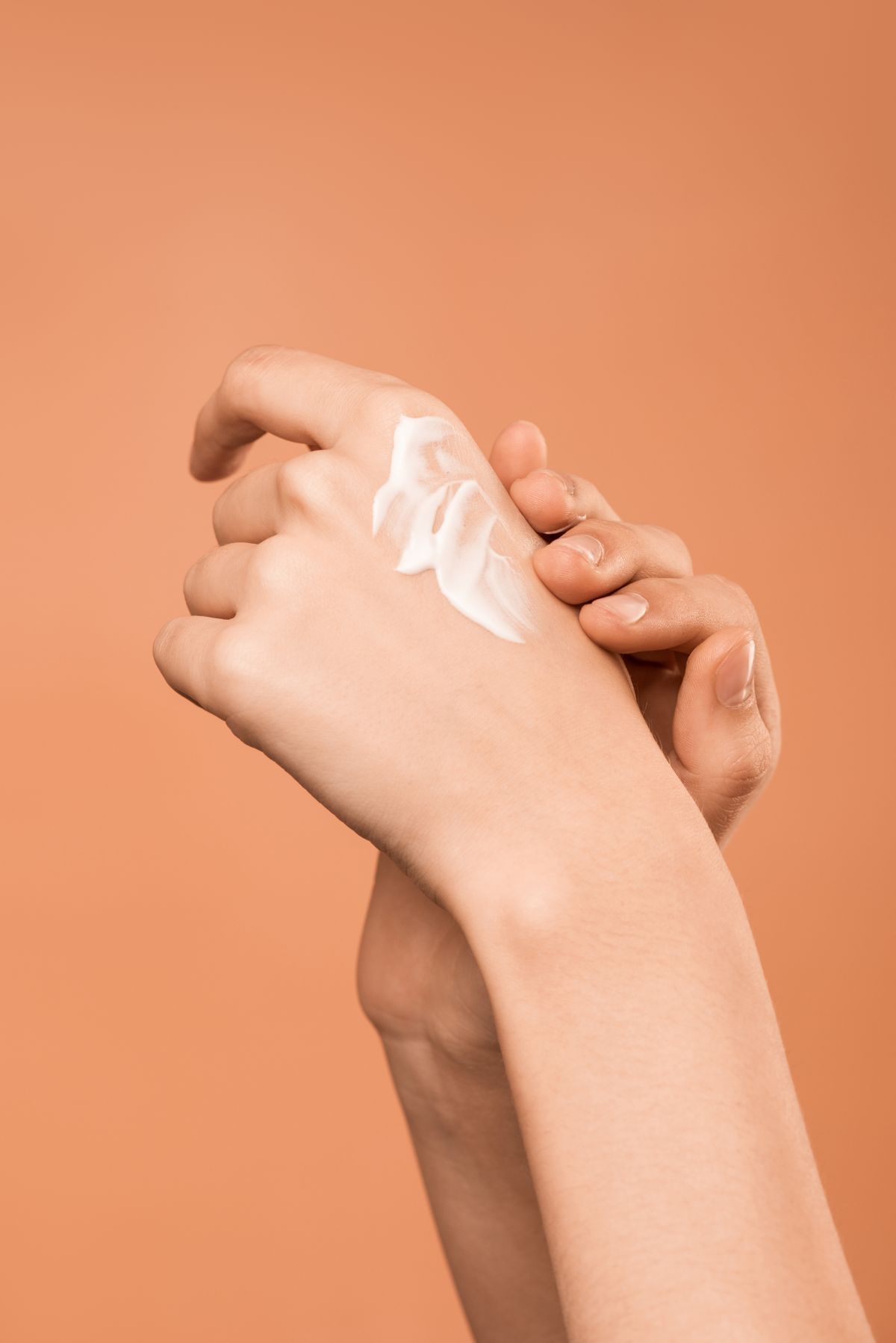
The most important fact about sunscreen that most people do not know: the SPF on the bottle assumes application of 2mg per square centimeter of skin — approximately a teaspoon for the face alone, or about a shot glass worth of product for full body coverage. Studies measuring how much sunscreen people actually apply find that most people apply 25-50% of the tested amount. At half the recommended application, an SPF 50 product provides roughly SPF 12-15 protection in practice. The gap between labeled and actual protection is substantial and primarily caused by underapplication.
The reapplication requirement: all sunscreens degrade with UV exposure and must be reapplied every two hours of outdoor time, and after swimming or heavy sweating regardless of water resistance claims. Water resistant sunscreen maintains efficacy for 40 or 80 minutes in water (the two permitted water resistance claims in the US) — not indefinitely. Most people who apply sunscreen in the morning and spend the day outdoors are unprotected for most of their outdoor exposure because they did not reapply.
Mineral vs Chemical: The Honest Comparison
Mineral sunscreens (zinc oxide, titanium dioxide) work by reflecting UV radiation; chemical sunscreens work by absorbing UV radiation and converting it to heat. The practical differences: mineral sunscreens are better tolerated by sensitive and acne-prone skin and are the recommended choice for children and pregnant women. Chemical sunscreens are generally more cosmetically elegant (less white cast, thinner texture) and more practical for darker skin tones where zinc oxide's white cast is a significant issue. The safety concern about chemical sunscreen absorptioninto the bloodstream (oxybenzone in particular) is real as a finding — chemical filters have been detected in blood, urine, and breast milk — but the clinical significance is unknown and neither the FDA nor any major dermatological organization has concluded that this absorption causes harm. The research is ongoing and appropriately uncertain.
Honest Bottom Line: SPF measures UVB protection only, not UVA — Broad Spectrum certification is required to confirm proportional UVA protection. The difference between SPF 50 and SPF 100 is one percentage point of UVB blocking. The most important sunscreen factor most people ignore: application amount. The tested SPF requires approximately a teaspoon for the face; most people apply 25-50% of this amount, reducing effective protection by 50-75%. Reapplication every two hours of outdoor exposure is required — morning application only provides morning protection. Mineral sunscreens (zinc oxide) are better for sensitive skin and children; chemical sunscreens are more cosmetically practical for darker skin tones. Chemical filter absorption into bloodstream is documented but clinical significance is unknown and no health authority has concluded harm.

Sophia Laurent is a fashion journalist and former stylist with 9 years of experience covering fashion, beauty, and the culture surrounding both. She writes about style with the honest consumer perspective that high-fashi...
![Skip-Care [2026]: The Science Behind Minimalist Skincare That Actually Works](/img/posts/skipcare-minimalist-beauty-2026-25ae852f.jpg)
![The Honest Skincare Routine [2026]: What Science Says You Actually Need](/img/posts/fix-skincare-routine-honest-2026-a49a0929.jpg)