Sunscreen in [2026]: The One Skincare Step Everyone Should Be Doing
![Sunscreen in [2026]: The One Skincare Step Everyone Should Be Doing](/img/posts/fix-sunscreen-honest-guide-2026-929da5c8.jpg)
Sunscreen is the skincare product with the strongest evidence base and some of the most persistent misconceptions. SPF numbers, mineral versus chemical formulas, the "safe" sunscreen debate, and application amounts generate enormous online discussion with varying degrees of accuracy. Here is the honest breakdown of what we actually know.
What SPF Actually Means (Not What You Think)
SPF (Sun Protection Factor) measures protection against UVB rays — the rays primarily responsible for sunburn and a significant contributor to skin cancer risk. SPF 30 blocks approximately 97% of UVB rays; SPF 50 blocks approximately 98%; SPF 100 blocks approximately 99%. The difference between SPF 50 and SPF 100 is real but small — about 1 percentage point of additional UVB protection. The difference between SPF 15 (93% blocked) and SPF 30 (97% blocked) is more meaningful in practical terms.
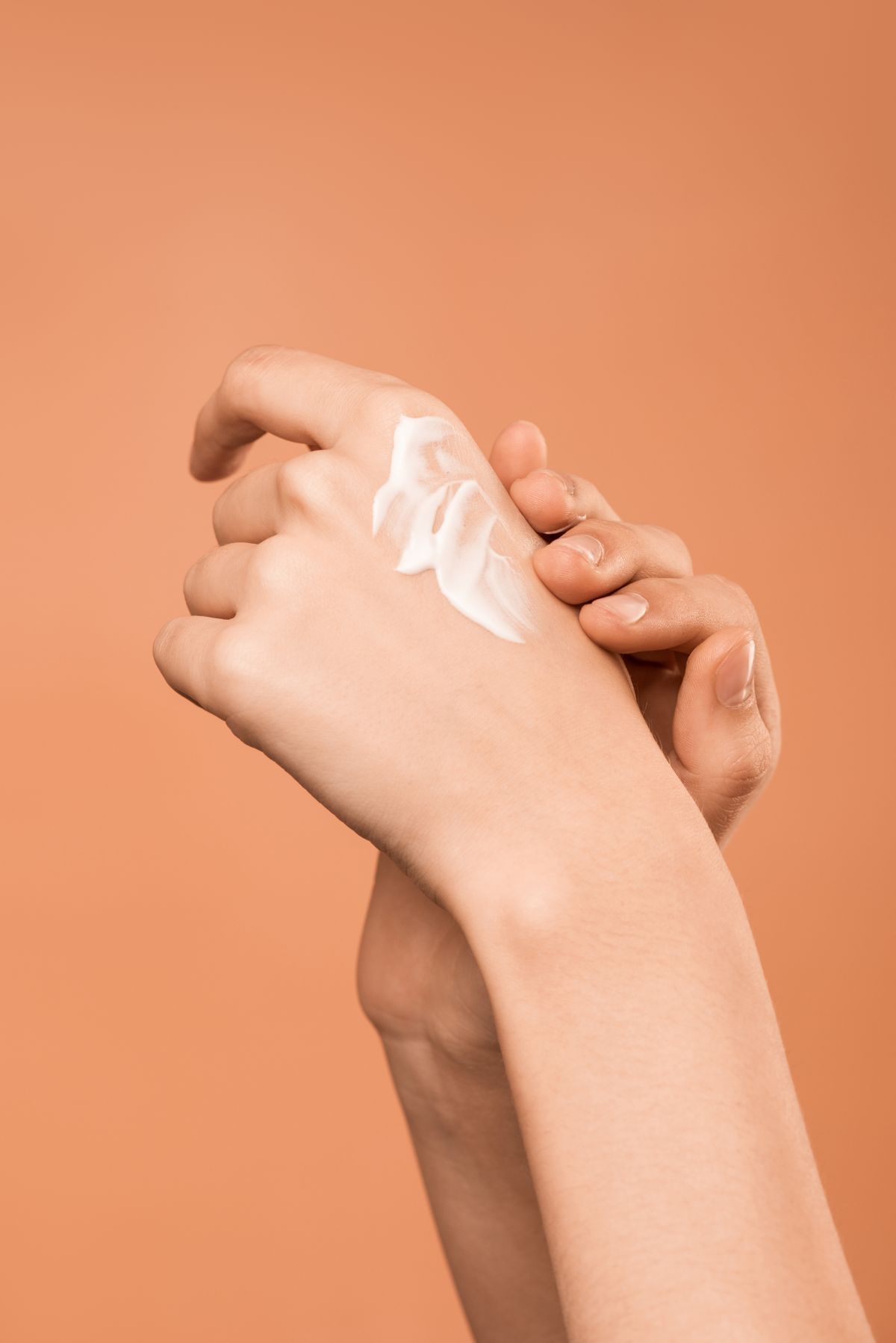
The critical caveat that SPF numbers don't capture: protection time and UVA coverage. SPF is measured under ideal laboratory conditions (correct application amount, no sweating or swimming). In real-world use, most people apply 25-50% of the amount required to achieve the labeled SPF, which means your SPF 50 may be providing SPF 15-25 protection in practice. The correct application amount is approximately 1/4 teaspoon for the face and neck — substantially more than most people use. Reapplication every two hours in sun exposure is required to maintain protection.
Mineral vs Chemical: The Honest Comparison
Mineral sunscreens (zinc oxide and titanium dioxide) work by reflecting UV radiation. Chemical sunscreens (avobenzone, oxybenzone, homosalate, octinoxate, and others) work by absorbing UV radiation and converting it to heat. Both provide effective UV protection when formulated and applied correctly. The key differences: mineral sunscreens are less likely to cause irritation and are the preferred choice for sensitive skin and babies (dermatologist standard recommendation for children under 6 months); chemical sunscreens typically formulate to thinner textures that are more cosmetically elegant and easier to apply at the correct amounts.
The concern about chemical sunscreen ingredients entering the bloodstream (raised by FDA research in 2019-2020 showing oxybenzone and other chemical filters absorbing into blood at detectable levels) is real but has not been connected to demonstrated harm in humans. The FDA called for more safety research; they did not recommend against using chemical sunscreens. The dermatology consensus is that the cancer risk from inadequate sun protection is a documented harm, and the risk from chemical sunscreen absorption is theoretical and unstudied at clinical levels. Those with specific concerns can use mineral-only formulations.
What Actually Matters in Daily Use
Applying enough (1/4 teaspoon face and neck) and reapplying after 2 hours of sun exposure or after swimming/sweating are the behaviors that determine actual protection. The difference between SPF 30 and SPF 50 matters less than the difference between applying 1/4 teaspoon and applying what most people actually apply. A sunscreen you'll use consistently and apply in adequate amounts is better than a theoretically superior formulation you'll use incorrectly or inconsistently. Finding a texture you find comfortable enough to use daily is therefore the most important selection criterion after broad-spectrum coverage (UVA + UVB).
Honest Bottom Line: SPF 30 (97% UVB blocked) vs SPF 100 (99%) is a small real-world difference; applying the correct amount (1/4 teaspoon face/neck) matters much more than SPF number. Mineral sunscreens are preferred for sensitive skin; chemical sunscreens formulate better for daily use compliance. The chemical absorption concern is real but hasn't been connected to demonstrated harm; cancer risk from inadequate protection is documented. The best sunscreen is the one you'll apply in adequate amounts consistently.

Sophia Laurent is a fashion journalist and former stylist with 9 years of experience covering fashion, beauty, and the culture surrounding both. She writes about style with the honest consumer perspective that high-fashi...
![Skip-Care [2026]: The Science Behind Minimalist Skincare That Actually Works](/img/posts/skipcare-minimalist-beauty-2026-25ae852f.jpg)
![The Honest Skincare Routine [2026]: What Science Says You Actually Need](/img/posts/fix-skincare-routine-honest-2026-a49a0929.jpg)