The Sunscreen Cheat Sheet That Finally Makes It Make Sense [2026]
![The Sunscreen Cheat Sheet That Finally Makes It Make Sense [2026]](/img/posts/1526045612212-70caf35c14df.jpg)
I spent years believing I was protected by the SPF in my foundation, applying a thin layer of SPF 15 once in the morning, and wondering why my dermatologist kept pushing the sunscreen conversation. Everything I understood about sunscreen was incomplete. Here is the complete, honest guide to what sunscreen actually does and how to use it correctly.
What the SPF Number Actually Means
SPF (Sun Protection Factor) measures protection specifically against UVB radiation — the wavelengths that cause sunburn and are the primary driver of skin cancer risk. SPF 30 blocks about 97% of UVB rays; SPF 50 blocks about 98%; SPF 100 blocks about 99%. The difference between 30 and 50 is smaller than the numbers suggest, which is why dermatologists don't universally recommend the highest SPF — SPF 30 or 50 applied correctly is adequate for most people in most situations.
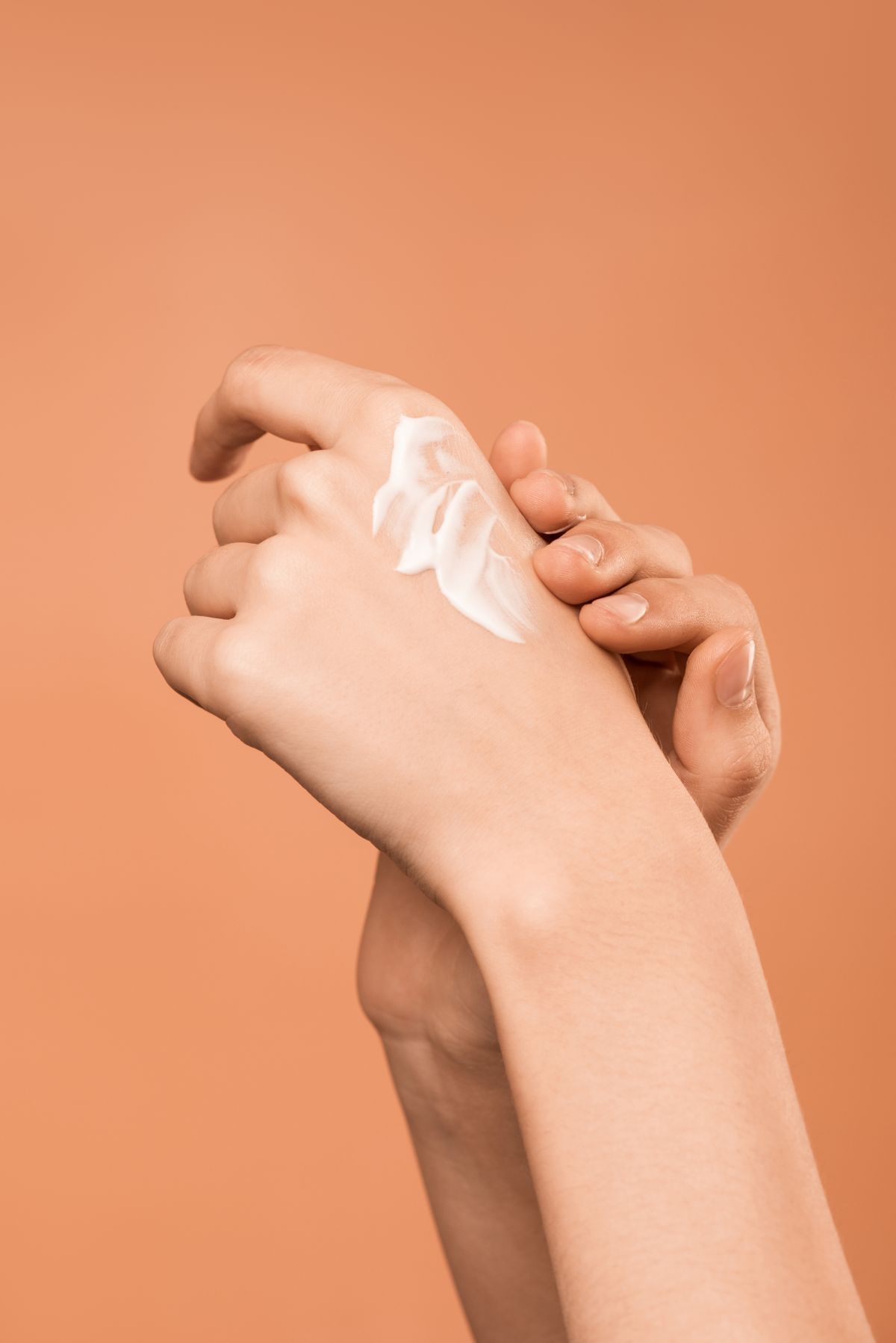
The critical detail: SPF ratings are determined by applying 2mg per cm² of skin in testing conditions. In practice, most people apply roughly one-quarter of that amount. Under-application is the most common sunscreen failure, and it dramatically reduces protection — applying SPF 50 at one-quarter the tested amount produces real-world protection closer to SPF 17. A rough guide for facial application: about a quarter teaspoon (1.25ml) for the face and neck.
UVA: The One Most People Are Ignoring
UVB causes sunburn; UVA penetrates more deeply, causes photoaging (wrinkles, spots, texture changes), and also contributes to skin cancer risk — and UVA penetrates glass, which UVB largely doesn't. SPF measures only UVB protection; UVA protection requires looking at additional indicators. In the US, the term "broad spectrum" on a label indicates some UVA protection but doesn't specify how much. In Europe, Asian, and Australian sunscreens, UVA protection is more specifically rated — the PA+ system used on Japanese and Korean sunscreens indicates UVA protection in a way American labeling doesn't.
Japanese and Korean sunscreens have become popular in Western markets for good reason: the regulatory requirements for UVA protection are stricter, the formulations are more elegant (less white cast, more comfortable texture), and the options for high UVA protection are more clearly indicated. For skin that gets significant sun exposure, seeking out sunscreens with PA+++ or PA++++ ratings provides more reliable UVA protection than relying on broad spectrum US labeling.
Chemical vs. Physical: The Honest Comparison
Chemical sunscreens (using UV-absorbing compounds like avobenzone, octinoxate, octisalate) are typically more cosmetically elegant — lighter, less white cast — and provide effective broad-spectrum protection. Physical sunscreens (zinc oxide, titanium dioxide) are not absorbed into the skin (a consideration for some people about chemical filters), work immediately after application (chemical filters need 15-30 minutes to bind to skin), and are often recommended for sensitive skin. The "chemical sunscreens are dangerous" concern circulates primarily based on studies showing blood absorption, which regulators are reviewing but haven't concluded is harmful. Both types provide effective UV protection; formulation quality matters more than the type for most people.
The Application Reality
Sunscreen applied in the morning provides protection that degrades over time with UV exposure, sweat, and physical contact. Reapplication every 2 hours of sun exposure is the standard recommendation and genuinely matters for extended outdoor exposure. For indoor daily use with limited sun exposure, morning-only application is usually adequate. Applying SPF to the back of the hands and neck — areas that receive significant cumulative sun exposure but are often skipped — is something most dermatologists recommend that most people don't do.
My honest take: Use SPF 30-50 daily, apply a quarter teaspoon to your face, look for broad spectrum or PA+++ ratings for UVA protection. Korean and Japanese sunscreens are genuinely better formulated for daily use. Reapply if you're in the sun.
What Actually Doesn't Work
Many skincare and fashion products marketed with scientific-sounding ingredients have minimal peer-reviewed evidence supporting their claimed benefits. The gap between marketing claims and actual evidence in beauty products is substantial and well-documented. The most expensive options are rarely the most effective — consistent use of evidence-backed basics (moisturizer, SPF, gentle cleanser) outperforms elaborate routines with unproven actives in virtually every head-to-head comparison.

Sophia Laurent is a fashion journalist and former stylist with 9 years of experience covering fashion, beauty, and the culture surrounding both. She writes about style with the honest consumer perspective that high-fashi...
![Skip-Care [2026]: The Science Behind Minimalist Skincare That Actually Works](/img/posts/skipcare-minimalist-beauty-2026-25ae852f.jpg)
![The Honest Skincare Routine [2026]: What Science Says You Actually Need](/img/posts/fix-skincare-routine-honest-2026-a49a0929.jpg)