Building a Skincare Routine in 2026: What Science Says vs What the Industry Sells
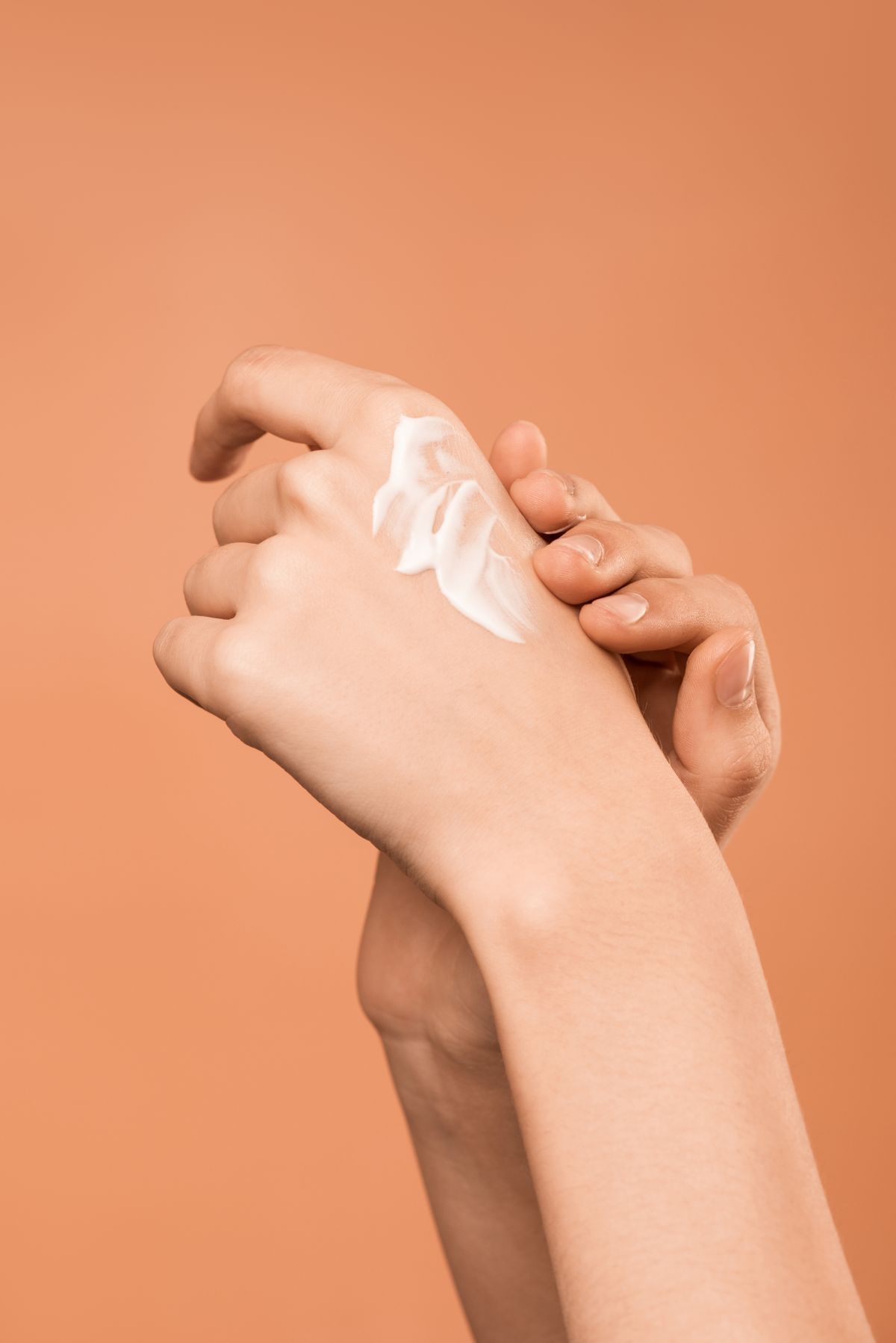
I have spent nine years in fashion and beauty, including extensive time with brands, dermatologists, and the product development process. The honest truth about skincare that the industry works hard to obscure: a large majority of skincare products, including many premium products, have limited evidence for their claimed benefits, and the most effective skincare routine for most people is considerably simpler and cheaper than the average beauty consumer's current routine. Here is the honest guide.
The Foundation: What Actually Works
The skincare interventions with the strongest evidence: sun protection is the single most impactful skincare action available. UV exposure is the primary cause of photoaging (wrinkles, pigmentation, skin texture changes) and the leading cause of skin cancer. Daily SPF 30+ sunscreen, applied consistently, prevents more aging than any serum or cream on the market. This is not contested in dermatology. The irony: sun protection is cheap, widely available, and consistently under-used, while expensive anti-aging products with limited evidence are purchased in enormous quantities. Retinoids (tretinoin, retinol, and adapalene) are the class of ingredients with the best evidence for actual skin rejuvenation — they increase cell turnover, stimulate collagen production, and improve skin texture over consistent use. Prescription tretinoin is the most effective and cheapest option; over-the-counter retinol is effective but weaker; adapalene (originally a prescription acne treatment, now OTC) hits a useful middle ground. Consistent gentle cleansing removes dead skin cells, excess oil, and environmental pollutants that contribute to breakouts and dullness.
The Ingredients With Genuine Evidence
Beyond sunscreen and retinoids, the ingredients that have reasonable evidence for claimed benefits: Vitamin C (ascorbic acid) is an antioxidant that helps protect against UV damage and brightens skin tone with consistent use. The challenge: ascorbic acid is unstable and degrades quickly — effective formulations require specific pH levels and packaging that protects from light and air. Many vitamin C serums on the market are ineffective because of formulation or packaging problems. Niacinamide has good evidence for reducing redness, improving skin barrier function, and minimizing pore appearance. It is stable, well-tolerated, and appears in products across a wide price range — effectiveness does not correlate significantly with cost. Hyaluronic acid is a humectant that draws moisture to the skin — effective for hydration but not for the deeper skin structure changes that premium marketing implies.
The Products and Claims Worth Skipping
Eye creams: the skin around the eyes is thinner and more delicate than facial skin, but there is no compelling evidence that products specifically marketed as eye creams perform better than the same ingredients applied carefully to the eye area from a facial moisturizer. You are paying primarily for the smaller packaging and the marketing claim. Most toners: the original purpose of toners was to remove alkaline residue from soap-based cleansers. Modern gentle cleansers do not leave this residue. Most modern toners serve little functional purpose for most skin types. Collagen supplements and topical collagen products: collagen molecules are too large to penetrate the skin barrier topically. Oral collagen supplements have limited and mixed evidence. Anti-aging creams marketed as alternatives to medical treatments: over-the-counter products cannot produce the results of clinical procedures (lasers, peels, injectables) and marketing that implies otherwise is not supported by evidence.
The Minimal Effective Routine
Morning: gentle cleanser (or just water if skin is not oily), antioxidant serum (vitamin C, optional), moisturizer if skin is dry, SPF 30+ sunscreen (essential). Evening: gentle cleanser, retinoid (start two to three nights per week and build up as tolerated), moisturizer. This routine addresses the primary evidence-based skincare priorities at a fraction of the cost of the elaborate multi-step routines the industry markets. The steps you add beyond this should have a specific reason — not marketing claims, but specific evidence-based benefits for your specific skin concerns.
Honest Bottom Line: Daily SPF 30+ sunscreen is the single most impactful and most under-used skincare intervention available. Retinoids (prescription tretinoin being the gold standard, adapalene OTC being the best accessible alternative) are the ingredient class with the best evidence for skin rejuvenation. The minimal effective routine covers everything most people need: gentle cleanser, optional vitamin C serum, moisturizer if needed, SPF (morning), and retinoid plus moisturizer (evening). Eye creams, most toners, topical collagen, and most anti-aging creams have limited or no evidence for their claimed benefits beyond their basic moisturizing function.

Sophia Laurent is a fashion journalist and former stylist with 9 years of experience covering fashion, beauty, and the culture surrounding both. She writes about style with the honest consumer perspective that high-fashi...
![Skip-Care [2026]: The Science Behind Minimalist Skincare That Actually Works](/img/posts/skipcare-minimalist-beauty-2026-25ae852f.jpg)
![The Honest Skincare Routine [2026]: What Science Says You Actually Need](/img/posts/fix-skincare-routine-honest-2026-a49a0929.jpg)