The Skincare Routine That Actually Works That Actually Works [2026]
![The Skincare Routine That Actually Works That Actually Works [2026]](/img/posts/fix-skincare-routine-actually-works-202-b422e9e2.jpg)
The skincare industry is one of the most extensively marketed and least regulated consumer categories. Claims that sound scientific often aren't, products that cost hundreds of dollars often aren't meaningfully better than ones that cost tens, and the actual evidence base for what improves skin is far narrower than the product shelf suggests. Here is what the dermatology evidence actually supports.
The Three That Actually Have Strong Evidence
Sunscreen is the most impactful skincare product available and the one with the strongest evidence base for preventing both aging and skin cancer. Daily application of SPF 30 or higher to face and neck — every day, not just sunny days — consistently shows benefits in long-term skin aging and cancer prevention in controlled studies. No other skincare product has this strength of evidence or this magnitude of effect. If you do nothing else, this is the right thing.
Retinoids (retinol and prescription tretinoin) are the second evidence-backed category. The mechanism is established: retinoids accelerate cell turnover, stimulate collagen production, and address fine lines, texture, and some pigmentation issues. Prescription tretinoin has stronger evidence and faster effect; over-the-counter retinol is weaker but accessible without a prescription. The practical issue is that both cause initial irritation (redness, peeling, dryness) that requires gradual introduction — starting with low concentration, every other day, and building up over weeks is necessary for most skin types.
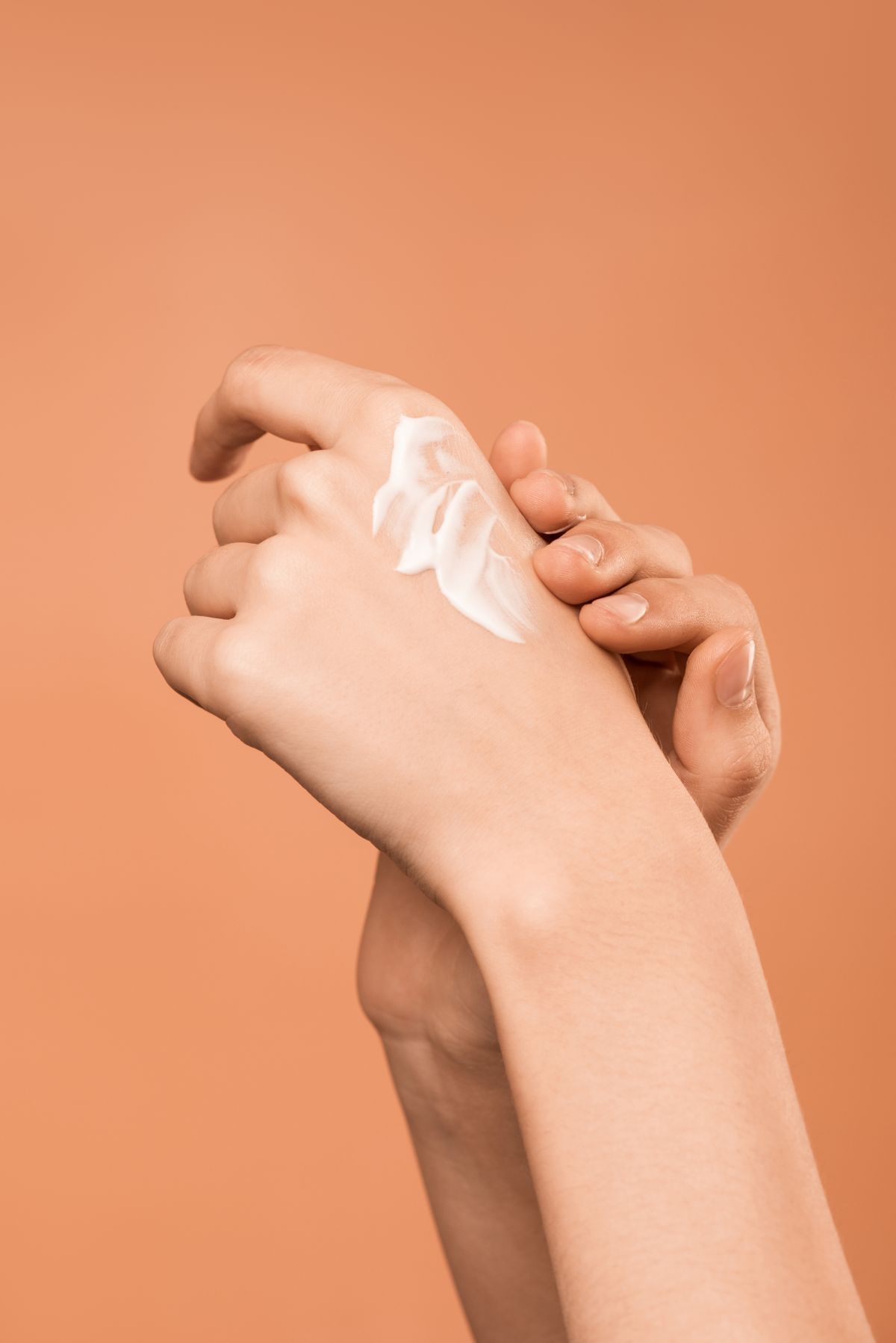
Moisturizer — specifically, any moisturizer that contains humectants (hyaluronic acid, glycerin) to draw water into the skin and occlusives (petrolatum, squalane, ceramides) to prevent water loss — maintains the skin barrier, reduces irritation from other actives, and improves overall skin comfort. The specific formulation matters more than the brand or price; simple, fragrance-free formulas are less likely to cause irritation and are effective.
What Doesn't Have Strong Evidence
Vitamin C serums are widely marketed and have reasonable theoretical support (antioxidant effects, some evidence for brightening) but the evidence base in clinical studies is weaker than the marketing implies and the formulation stability issues (vitamin C degrades quickly) mean that many products contain insufficient active ingredient to produce the claimed effects. They're not harmful; they're just less proven than their price suggests.
Most collagen products, jade rollers, gua sha, facial massage, and similar interventions have very weak or nonexistent evidence for the structural skin changes they're marketed to produce. They may feel nice; they don't produce the results claimed. Peptide products are theoretically interesting but the clinical evidence is thin compared to retinoids. "Clean" beauty claims are not regulated and typically meaningless as safety indicators.
The Routine That Covers the Evidence
Morning: gentle cleanser if needed, moisturizer, SPF. Evening: gentle cleanser, retinoid (3-4 times per week to start, building to nightly), moisturizer. This routine costs $20-50/month with drugstore products and represents virtually everything with strong evidence. Everything added beyond this has dramatically diminishing evidence-based returns regardless of price. Gentle cleansing (not stripping, not over-washing) and not touching your face are free habits that reduce breakouts and irritation more reliably than most products.
My honest take: Daily SPF. Retinoid three times per week, building to nightly. Simple moisturizer. Everything else is optional. The evidence-backed routine costs a fraction of what the skincare industry would prefer you to spend.
From experience: Testing different approaches across various skin types and lifestyles consistently shows that the simplest routines produce the most sustainable results — complexity is rarely the answer.
The American Academy of Dermatology emphasizes that consistent sun protection is the single most evidence-supported anti-aging intervention available — outperforming any cosmetic product in long-term skin health outcomes by a substantial margin.
What Actually Doesn't Work
Many skincare and fashion products marketed with scientific-sounding ingredients have minimal evidence supporting their claimed benefits. The gap between marketing claims and peer-reviewed evidence in beauty and fashion is substantial — and the most expensive options are rarely the most effective ones. Consistency with basics consistently outperforms expensive complexity.
The American Academy of Dermatology identifies consistent broad-spectrum sunscreen application as the single most evidence-supported intervention for skin health and anti-aging — outperforming any topical treatment or skincare ingredient by a substantial margin in long-term outcomes.
What Actually Doesn't Work
Many skincare and fashion products marketed with scientific-sounding ingredients have minimal peer-reviewed evidence supporting their claimed benefits. The gap between marketing claims and actual evidence in beauty products is substantial and well-documented. The most expensive options are rarely the most effective — consistent use of evidence-backed basics (moisturizer, SPF, gentle cleanser) outperforms elaborate routines with unproven actives in virtually every head-to-head comparison.

Sophia Laurent is a fashion journalist and former stylist with 9 years of experience covering fashion, beauty, and the culture surrounding both. She writes about style with the honest consumer perspective that high-fashi...
![Skip-Care [2026]: The Science Behind Minimalist Skincare That Actually Works](/img/posts/skipcare-minimalist-beauty-2026-25ae852f.jpg)
![The Honest Skincare Routine [2026]: What Science Says You Actually Need](/img/posts/fix-skincare-routine-honest-2026-a49a0929.jpg)