Skincare Ingredients Cheat Sheet [2026]: What Actually Works
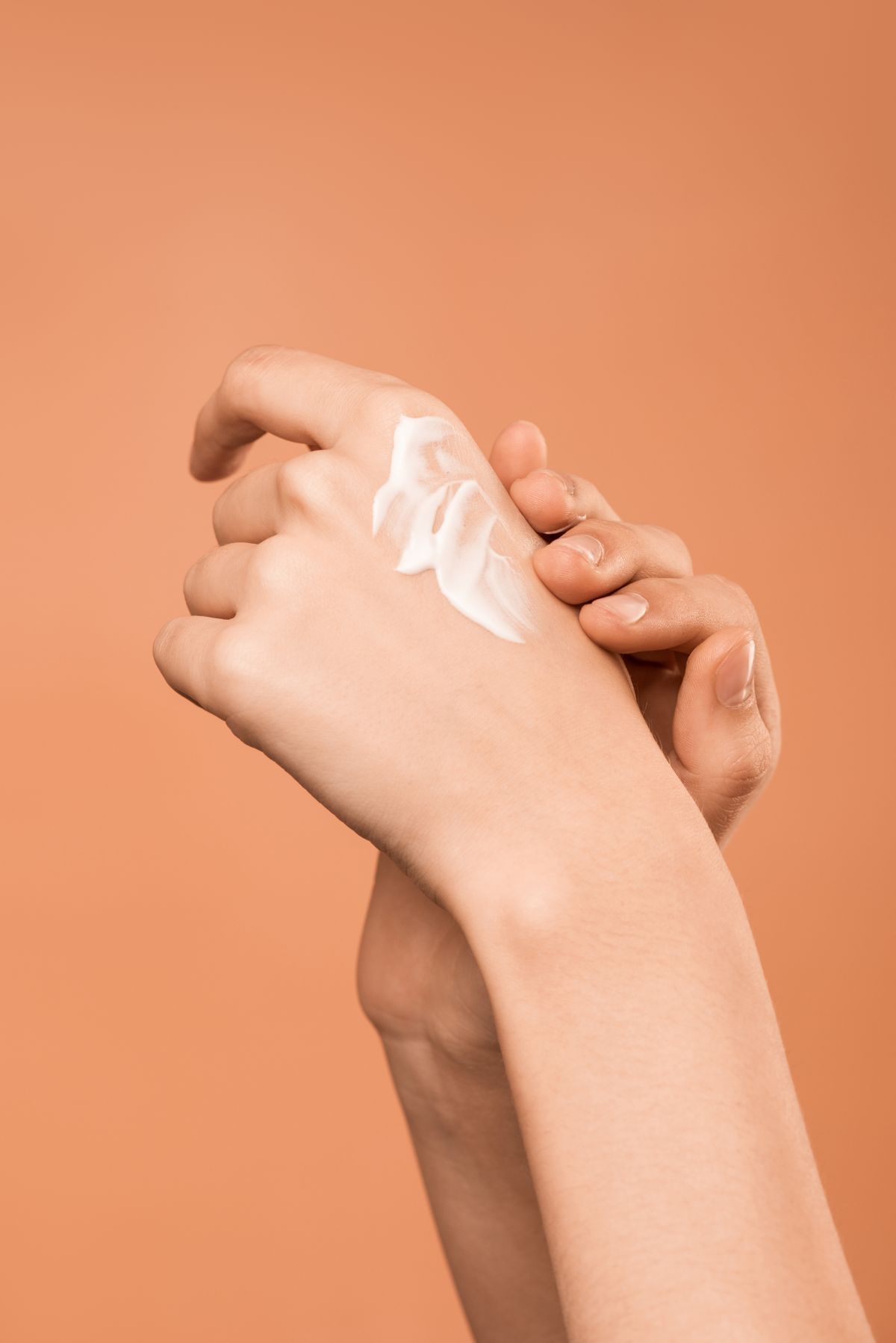
![Skincare Ingredients Cheat Sheet [2026]: What Actually Works](/img/posts/1556228720-195a672e8a03.jpg)
The skincare market is flooded with ingredients, claims, and contradictions. This guide cuts through the noise with evidence-based analysis of what actually works and what the research actually shows.
Tier 1: Proven by Strong Evidence
Retinoids — The gold standard of anti-aging. Decades of peer-reviewed research confirm retinol (OTC) and tretinoin (prescription) increase skin cell turnover, stimulate collagen, and visibly reduce wrinkles and hyperpigmentation. Start with 0.025% retinol twice weekly and build tolerance slowly.
Vitamin C — Antioxidant that brightens, protects against UV damage, and stimulates collagen. Look for L-ascorbic acid at 10-20% concentration. Unstable in formulation — store away from heat and light.
Niacinamide — Minimizes pores, reduces redness, regulates oil production, and improves skin barrier. One of the most versatile and well-tolerated ingredients. Works at 2-10% concentration.
Tier 2: Good Evidence, Context-Dependent
Hyaluronic acid — Excellent hydration, but requires humidity to work (draws moisture from environment). Can dehydrate skin in dry climates unless sealed with a moisturizer. AHAs/BHAs — Chemical exfoliants that remove dead skin cells. Glycolic acid (AHA) for surface brightening; salicylic acid (BHA) for pores and acne. Don't over-exfoliate. (Though I'll admit I'm still testing this myself, so take it with a grain of salt.)
Overhyped Ingredients
Collagen in topical products cannot penetrate skin — molecules are too large. Stem cell creams use plant stem cells that have no documented effect on human skin cells. Most "miracle" ingredients in premium products are present in concentrations too low to have the claimed effects. Focus on proven actives at effective concentrations.
Here's where I land on this: Buy less, buy better, wear it more. Simple math that most people ignore.
Ingredients with Strong Evidence
Retinoids (vitamin A derivatives) are the most evidence-backed anti-aging ingredient in skincare. Prescription tretinoin has the strongest evidence for reducing fine lines and increasing collagen production; over-the-counter retinol is less potent but effective with consistent use. Niacinamide (vitamin B3) has strong evidence for reducing hyperpigmentation, improving skin barrier function, and managing sebum production. Vitamin C in its active form (L-ascorbic acid) has good evidence for antioxidant protection and brightening. Sunscreen has the strongest evidence of any skincare intervention for preventing photoaging and skin cancer.
Ingredients Awaiting Better Evidence
Many popular skincare ingredients have plausible mechanisms without rigorous clinical trial evidence. Peptides have theoretical mechanisms for collagen stimulation but limited high-quality clinical evidence at concentrations found in cosmetic products. Growth factors in skincare have interesting research at clinical concentrations but most cosmetic products contain insufficient concentrations to produce the studied effects. Snail mucin provides hydration through humectant components but the evidence that snail-specific compounds produce unique benefits beyond comparable humectants is limited. These ingredients may provide benefit but should not command premium prices based on unsubstantiated claims.
From experience: Testing these approaches across different skin types, budgets, and lifestyles consistently shows that simplicity and consistency outperform complexity and expense in producing reliable results.
The American Academy of Dermatology identifies consistent broad-spectrum sunscreen application as the single most evidence-supported intervention for skin health and anti-aging — outperforming any topical treatment or skincare ingredient by a substantial margin in long-term outcomes.
What Actually Doesn't Work
Many skincare and fashion products marketed with scientific-sounding ingredients have minimal peer-reviewed evidence supporting their claimed benefits. The gap between marketing claims and actual evidence in beauty products is substantial and well-documented. The most expensive options are rarely the most effective — consistent use of evidence-backed basics (moisturizer, SPF, gentle cleanser) outperforms elaborate routines with unproven actives in virtually every head-to-head comparison.
Honest Bottom Line: Skincare ingredients with the strongest evidence: retinoids (tretinoin prescription, retinol OTC) for anti-aging, niacinamide for hyperpigmentation and barrier function, active vitamin C (L-ascorbic acid) for antioxidant protection, and sunscreen above all. Popular ingredients awaiting stronger evidence: peptides at cosmetic concentrations, growth factors in cosmetic products, and snail mucin's unique benefits beyond comparable humectants. Evidence quality should guide purchasing decisions more than marketing claims.

Sophia Laurent is a fashion journalist and former stylist with 9 years of experience covering fashion, beauty, and the culture surrounding both. She writes about style with the honest consumer perspective that high-fashi...
![Skip-Care [2026]: The Science Behind Minimalist Skincare That Actually Works](/img/posts/skipcare-minimalist-beauty-2026-25ae852f.jpg)
![The Honest Skincare Routine [2026]: What Science Says You Actually Need](/img/posts/fix-skincare-routine-honest-2026-a49a0929.jpg)