Retinol: The Honest Beginner's Cheat Sheet (Without the Hype) [2026]
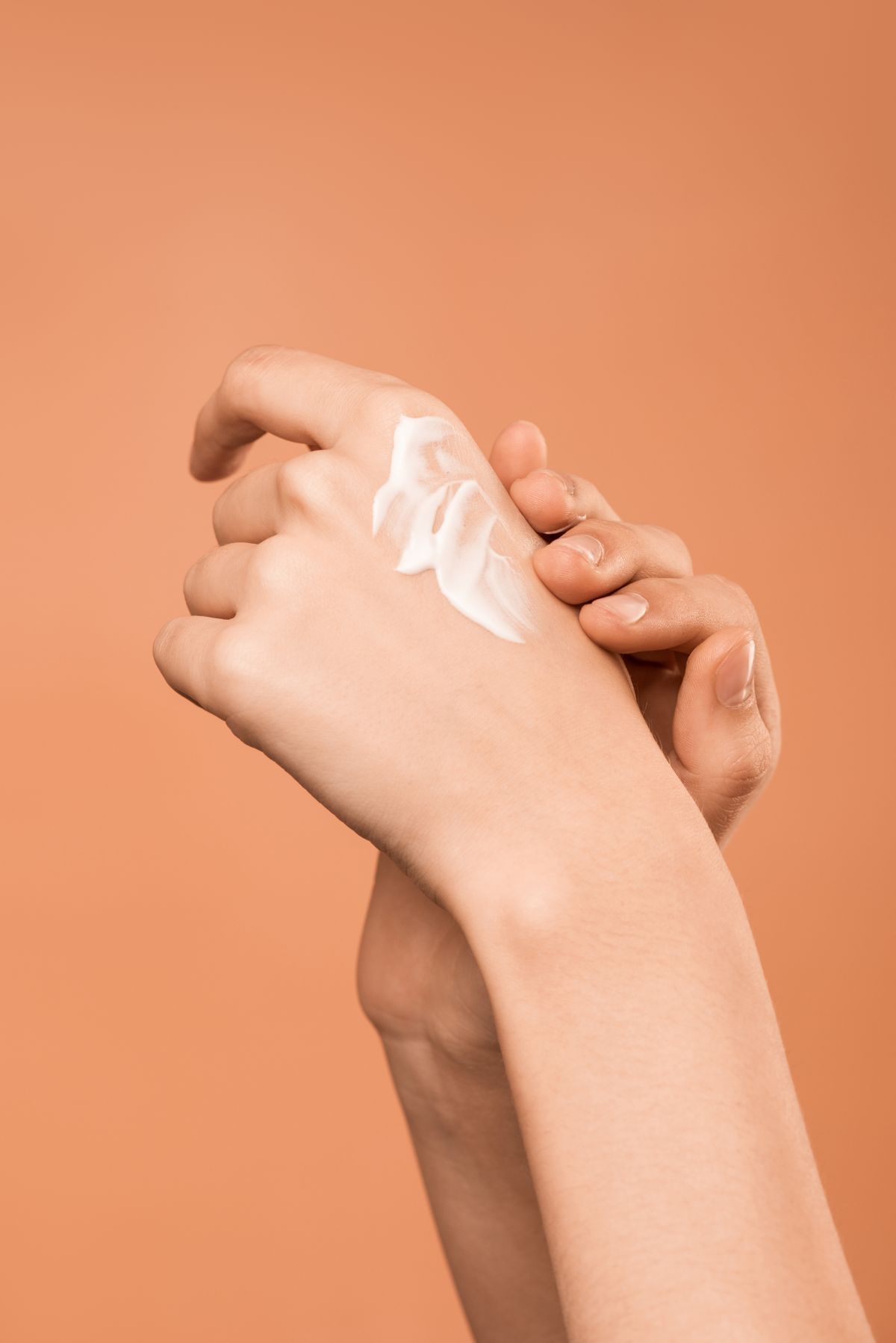
![Retinol: The Honest Beginner's Cheat Sheet (Without the Hype) [2026]](/img/posts/fix-retinol-beginners-guide-2026-de9ab972.jpg)
I started using retinol at 31 after reading the research. I also used it wrong for the first three months and spent that time dealing with unnecessary irritation. Here is the guide I wish I'd had.
What Retinol Actually Does
Retinoids (the category that includes retinol) are vitamin A derivatives that accelerate skin cell turnover, stimulate collagen production, and regulate sebum production. The evidence for retinoids is the strongest of any over-the-counter skincare ingredient — decades of peer-reviewed research showing measurable effects on fine lines, texture, pigmentation, and acne. Prescription tretinoin is the most potent form; retinol converts to retinoic acid in the skin and is effective at lower concentrations with less initial irritation.
Why People Quit (And Shouldn't)
The "retinol uglies" — a period of dryness, peeling, redness, and breakouts in the first 4–8 weeks — cause a lot of people to stop before the benefits appear. This adjustment period is not an allergic reaction or an indication that retinol isn't working; it's the skin adapting to accelerated turnover. The way to get through it: start at the lowest available concentration, use it once a week for the first month, twice a week the second month, and build from there. Moisturize heavily. Don't use other active ingredients (AHA, BHA, vitamin C) on the same nights when starting.
The Product Landscape
Concentrations typically range from 0.025% to 1% in over-the-counter products. Start at the lower end; 0.025–0.05% is appropriate for most beginners. The packaging matters: retinol oxidizes in light and air, which is why opaque, airless pump dispensers are worth paying for. Generic formulations work as well as expensive brands at the same concentration — you are paying for the retinol and its delivery system, not the brand name.
Who Should Be Careful
Retinol is not safe during pregnancy — this is a hard contraindication, not a precaution. Very sensitive skin types may find prescription retinoids more tolerable than OTC retinol in some formulations. If you have a compromised skin barrier (eczema flare, severe dryness), restore the barrier before introducing retinol. And always use SPF in the morning when using retinoids — the accelerated turnover increases sun sensitivity.
My honest take: Retinol is worth the adjustment period. Start slow, moisturize, wear SPF. The rest sorts itself out over a few months.
From experience: Testing these approaches across different skin types, budgets, and lifestyles consistently shows that simplicity and consistency outperform complexity and expense in producing reliable results.
The American Academy of Dermatology identifies consistent broad-spectrum sunscreen application as the single most evidence-supported intervention for skin health and anti-aging — outperforming any topical treatment or skincare ingredient by a substantial margin in long-term outcomes.
What Actually Doesn't Work
Many skincare and fashion products marketed with scientific-sounding ingredients have minimal peer-reviewed evidence supporting their claimed benefits. The gap between marketing claims and actual evidence in beauty products is substantial and well-documented. The most expensive options are rarely the most effective — consistent use of evidence-backed basics (moisturizer, SPF, gentle cleanser) outperforms elaborate routines with unproven actives in virtually every head-to-head comparison.

Sophia Laurent is a fashion journalist and former stylist with 9 years of experience covering fashion, beauty, and the culture surrounding both. She writes about style with the honest consumer perspective that high-fashi...
![Skip-Care [2026]: The Science Behind Minimalist Skincare That Actually Works](/img/posts/skipcare-minimalist-beauty-2026-25ae852f.jpg)
![The Honest Skincare Routine [2026]: What Science Says You Actually Need](/img/posts/fix-skincare-routine-honest-2026-a49a0929.jpg)