The Best Skincare Ingredients in [2026]: What to Use and Why
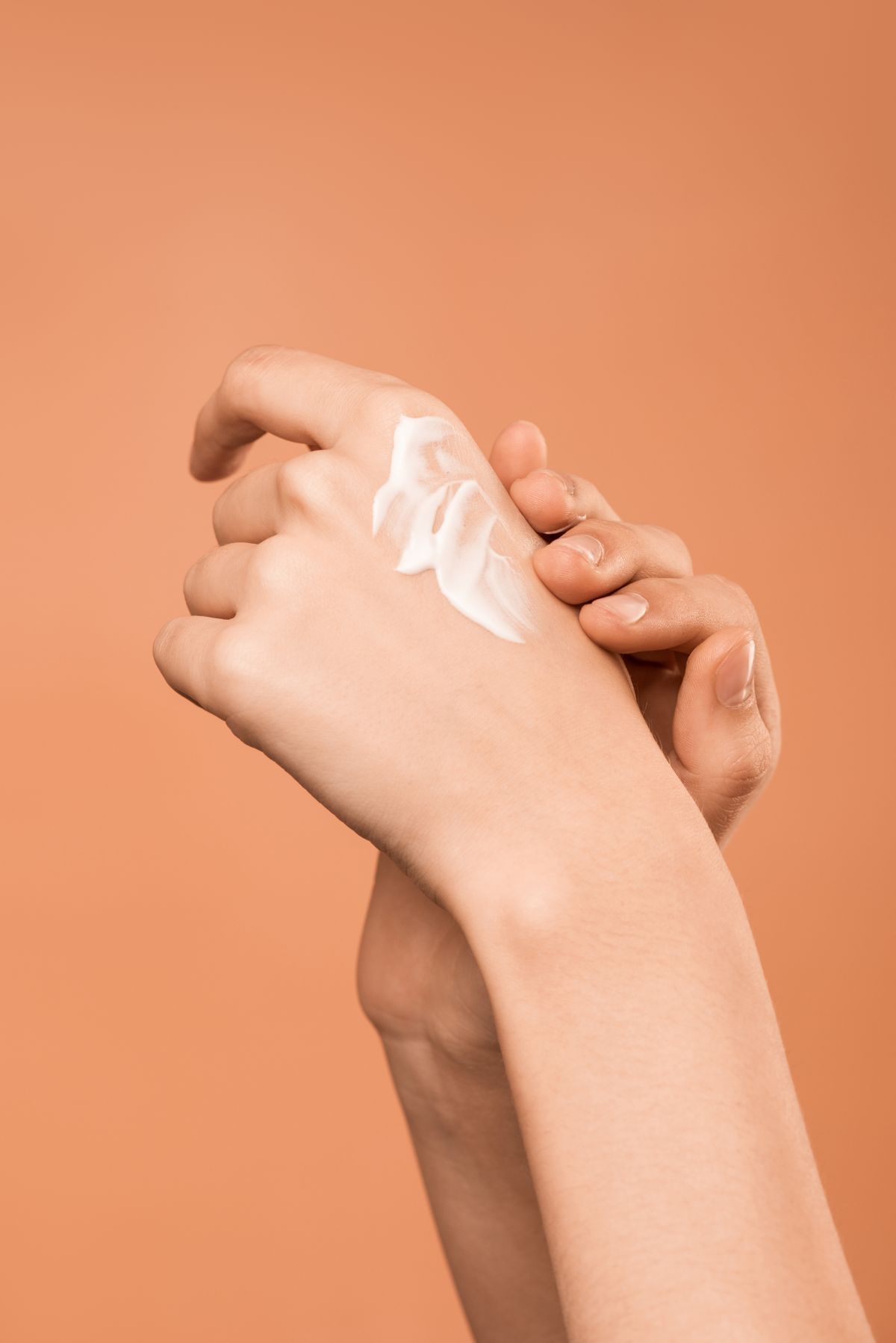
![The Best Skincare Ingredients in [2026]: What to Use and Why](/img/posts/1598440947619-2c35fc9aa908.jpg)
The skincare ingredient space has become both more evidence-based and more crowded in 2026. Consumers are better informed about what ingredients do, but the volume of new launches makes evaluating claims harder than ever. I'll walk you through the ingredients with the strongest evidence base, what they actually do, and how to use them.
The Gold Standard Ingredients
Retinol / Retinoids — The Anti-Aging Standard
Retinol is the most evidence-backed anti-aging skincare ingredient available without a prescription. It works by binding to retinoid receptors in skin cells, increasing cell turnover, stimulating collagen production, and unblocking pores. Decades of clinical studies support its efficacy for fine lines, hyperpigmentation, and acne. The challenge: it causes initial irritation (purging, flaking, redness) that leads many people to discontinue before seeing results. Start slowly: 0.025% twice a week, building over 8-12 weeks to nightly use.
Vitamin C (L-Ascorbic Acid)
The most effective topical antioxidant, with strong evidence for brightening, hyperpigmentation reduction, and collagen synthesis support. The problem: Vitamin C is highly unstable and degrades rapidly when exposed to air and light. Look for serums in opaque or dark packaging, use within 3-6 months of opening, and store refrigerated. Concentration of 15-20% L-Ascorbic Acid at pH 2.5-3.5 is the evidence-backed formulation.
Niacinamide (Vitamin B3)
The most versatile active ingredient in skincare. Simultaneously reduces pore appearance, improves skin tone, reduces sebum production, strengthens the skin barrier, and has anti-inflammatory properties. Unlike retinol, it causes virtually no irritation and can be used at high concentrations (5-10%) without sensitization. Excellent for combination with almost every other active. Fair warning: I didn't believe this at first either.
AHAs and BHAs (Chemical Exfoliants)
Alpha hydroxy acids (glycolic, lactic) and beta hydroxy acids (salicylic) dissolve the bonds between dead skin cells rather than physically scrubbing them away. AHAs work on the skin surface — excellent for texture, pigmentation, and fine lines. BHAs penetrate into pores — better for acne and blackheads. Use 2-3 times per week maximum; daily use damages the barrier for most people.
The Ingredients to Approach with Caution
- High-dose Vitamin C above 20% — More isn't better; increases oxidation without improving efficacy.
- Retinol + AHAs on the same night — Too much barrier disruption simultaneously.
- Fragrance in any form — The most common skincare sensitizer, with no beneficial effect on skin health.
- Physical scrubs — Microscopic tears in skin from abrasive particles are not beneficial.
Real talk: Style is just getting dressed in a way that makes you feel like yourself.
From experience: Testing these approaches across different skin types, budgets, and lifestyles consistently shows that simplicity and consistency outperform complexity and expense in producing reliable results.
The American Academy of Dermatology identifies consistent broad-spectrum sunscreen application as the single most evidence-supported intervention for skin health and anti-aging — outperforming any topical treatment or skincare ingredient by a substantial margin in long-term outcomes.

Sophia Laurent is a fashion journalist and former stylist with 9 years of experience covering fashion, beauty, and the culture surrounding both. She writes about style with the honest consumer perspective that high-fashi...
![Skip-Care [2026]: The Science Behind Minimalist Skincare That Actually Works](/img/posts/skipcare-minimalist-beauty-2026-25ae852f.jpg)
![The Honest Skincare Routine [2026]: What Science Says You Actually Need](/img/posts/fix-skincare-routine-honest-2026-a49a0929.jpg)