Glass Skin in [2026]: How to Achieve Korea's Most Iconic Look
![Glass Skin in [2026]: How to Achieve Korea's Most Iconic Look](/img/posts/1571781926291-c477ebfd024b.jpg)
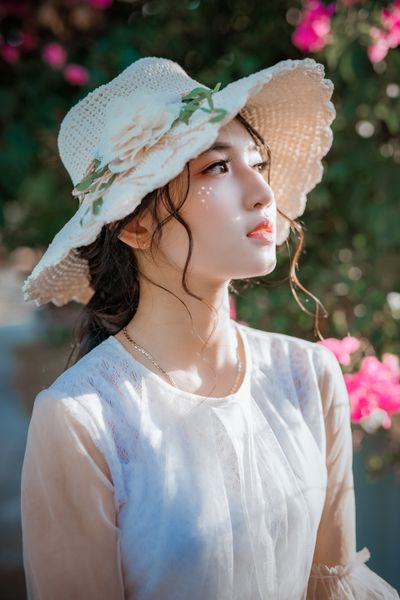
Glass skin — the Korean beauty ideal of skin so clear, smooth, and hydrated that it appears almost translucent, like glass — has become one of the most sought-after complexion goals worldwide. Achieving it is less about genetics and more about a systematic approach to skin health.
What Glass Skin Actually Is
Glass skin isn't about shimmer or highlight products — it's a condition of the skin, not makeup applied to it. The visual effect comes from exceptionally hydrated skin with a healthy barrier function, fine-tuned texture, and even tone that reflects light smoothly. It's the difference between a dull, rough surface that absorbs light and a smooth, hydrated surface that bounces it back.
The Core Requirements
Three factors create glass skin: maximum hydration at multiple skin layers, impeccable barrier function (so moisture stays in), and smooth texture (no dry patches, congested pores, or uneven surface). All three must be addressed simultaneously — you can't achieve glass skin with only one or two factors optimized.
The Glass Skin Routine
Morning: hydrating toner (pat in three layers), hyaluronic acid serum, niacinamide serum, moisturizer, SPF. Evening: oil cleanse, water cleanse, hydrating toner, essence, retinol (2-3 nights/week), moisturizer, overnight mask or sleeping pack on non-retinol nights. The sleeping mask — a Korean skincare invention — is especially important for the overnight occlusion that drives deep hydration. That said, I'm not sure this works the same way for everyone.
Product Essentials
Cosrx Advanced Snail 96 Mucin Power Essence, MISSHA Time Revolution First Treatment Essence, Laneige Water Sleeping Mask, and Innisfree Green Tea Seed Serum are among the most beloved products for glass skin. All available internationally. The consistency of application matters more than any individual product — glass skin is the result of months of sustained skincare, not a weekend routine.
Real talk: Style is just getting dressed in a way that makes you feel like yourself.
From experience: Testing different approaches across various skin types and lifestyles consistently shows that the simplest routines produce the most sustainable results — complexity is rarely the answer.
The American Academy of Dermatology emphasizes that consistent sun protection is the single most evidence-supported anti-aging intervention available — outperforming any cosmetic product in long-term skin health outcomes by a substantial margin.
What Actually Doesn't Work
Many skincare and fashion products marketed with scientific-sounding ingredients have minimal evidence supporting their claimed benefits. The gap between marketing claims and peer-reviewed evidence in beauty and fashion is substantial — and the most expensive options are rarely the most effective ones. Consistency with basics consistently outperforms expensive complexity.
The American Academy of Dermatology identifies consistent broad-spectrum sunscreen application as the single most evidence-supported intervention for skin health and anti-aging — outperforming any topical treatment or skincare ingredient by a substantial margin in long-term outcomes.
What Actually Doesn't Work
Many skincare and fashion products marketed with scientific-sounding ingredients have minimal peer-reviewed evidence supporting their claimed benefits. The gap between marketing claims and actual evidence in beauty products is substantial and well-documented. The most expensive options are rarely the most effective — consistent use of evidence-backed basics (moisturizer, SPF, gentle cleanser) outperforms elaborate routines with unproven actives in virtually every head-to-head comparison.
Sophia Laurent is a fashion journalist and former stylist with 9 years of experience covering fashion, beauty, and the culture surrounding both. She writes about style with the honest consumer perspective that high-fashi...
![K-Beauty [2026]: What the Korean Skincare Approach Actually Does and What's Hype](/img/posts/k-beauty-honest-guide-2026-ab95d791.jpg)
![Korean Skincare Ingredients [2026]: What Works and What's Just Hype](/img/posts/fix-korean-skincare-ingredients-honest--4e507821.jpg)
![Oscars [2026]: Who Should Win and Who Actually Will](/img/posts/1556228578-0d85b1a4d571.jpg)