Podcasts in 2026: How the Medium Has Changed and the Shows Actually Worth Your Time
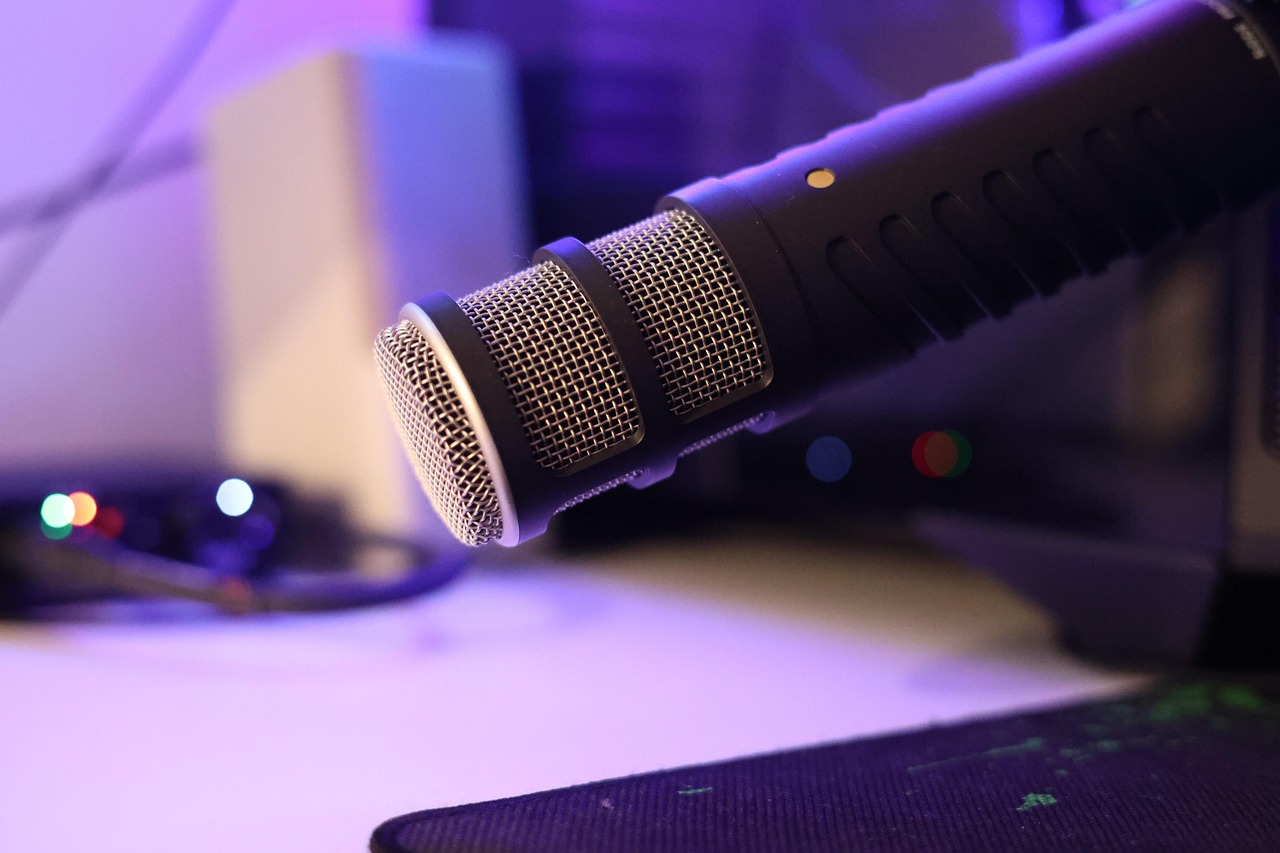
Podcasting has completed its journey from scrappy alternative medium to established entertainment industry in the decade since Serial demonstrated the format's mainstream potential. The maturation has brought genuine quality improvements, better production values, and access to interview subjects and investigative resources that early podcasting lacked. It has also brought the problems of any mature media industry: commercial pressure, format consolidation, celebrity-driven content with limited substance, and the infinite scroll problem of content abundance without quality curation. After years covering media and entertainment, here is the honest assessment of what the medium looks like in 2026 and how to find what is worth your time.
What Has Changed in Podcasting
The most significant change in podcasting over the past five years is the celebrity consolidation: major platforms and networks have signed large deals with celebrities (Joe Rogan's exclusive Spotify deal being the most visible example) that have concentrated audience and advertising revenue at the top of the market while mid-tier creators face a more difficult economic environment. The resulting content landscape: the most listened-to podcasts are dominated by celebrity interviews, true crime, sports analysis, and news commentary — formats with broad appeal and predictable audience building. The formats that work best in the long tail — highly specific expertise, investigative reporting, genuinely experimental audio storytelling — continue to exist but are harder to discover without active search.
Production quality has improved across the board — the bar for technically acceptable audio has risen, and listener tolerance for poor production has decreased as high-quality alternatives have multiplied. This is mostly positive but has also raised the production cost entry point, making it harder for independently produced niche shows to compete on purely technical terms with network-produced content.
The Discovery Problem and How to Solve It
Podcast discovery remains the medium's most persistent structural problem. Podcast charts are dominated by shows with large existing audiences from other media — celebrities, radio shows, established YouTube channels — that bring their audience to podcasting rather than building one through podcast quality. The most interesting podcasts in most categories are not discoverable through charts. The strategies that work for finding quality shows outside the mainstream: podcast-specific newsletters and critical writing (Vulture's podcast coverage, Hot Pod, and subject-specific recommendation sources), Reddit communities organized by specific interests (consistently the best source of highly specific niche podcast recommendations), and genuine word-of-mouth within communities organized around specific interests rather than general culture.
The Formats That Work Best in Audio
Not all content formats work equally well in audio-only form, and understanding which formats are native to the medium clarifies what to seek. Narrative non-fiction — the format that Serial introduced to mainstream audiences — remains the format most specific to audio, using the intimacy of voice and sound design to tell true stories in ways that other media cannot exactly replicate. In-depth expertise interviews — conversations where a knowledgeable host draws out genuine depth from a subject matter expert across 60-90 minutes — work better in audio than in video because the absence of visual distraction focuses attention on content. The formats that work less well in audio: panel discussions with multiple voices (harder to follow in audio than video), anything where visual reference is needed, and comedy formats that depend significantly on physical performance.
Honest Bottom Line: Podcasting has matured into a celebrity-consolidated, commercially driven medium where the most listened-to content is celebrity interviews, true crime, sports, and news commentary. Mid-tier independent creators face harder economics as audience and advertising concentrate at the top. Discovery through charts is unreliable for finding quality outside celebrity and network content — podcast newsletters, subject-specific Reddit communities, and word-of-mouth within interest communities are more effective. The formats most native to audio and most worth seeking: narrative non-fiction (Serial format) and in-depth expertise interviews where absence of visuals focuses attention on content. Formats that work less well in audio: multi-voice panels, visually dependent content, and physical comedy.

Oliver Hayes is an entertainment journalist and cultural critic who has covered film, television, music, and celebrity culture for 11 years. He approaches entertainment with the conviction that popular culture deserves s...
![Is Peak TV Over? [2026]: The Honest State of Television After the Streaming Wars](/img/posts/fix-golden-age-tv-honest-2026-edc764fe.jpg)
![Social Commentary [2026]: 7 Shows That Get Modern Life Exactly Right](/img/posts/fix-emergency-fund-honest-guide-2026-7560ff3e.jpg)
![Vintage Fashion [2026]: How to Find Good Pieces Without Getting Burned](/img/posts/fix-streaming-wars-honest-2026-ccea44bb.jpg)
![Prestige TV Fatigue Is Real: 7 Signs You've Hit Your Limit [2026]](/img/posts/fix-prestige-tv-fatigue-honest-2026-f8c06d6f.jpg)