Home Recording for Beginners in 2026: What You Actually Need vs What Gets Marketed to You
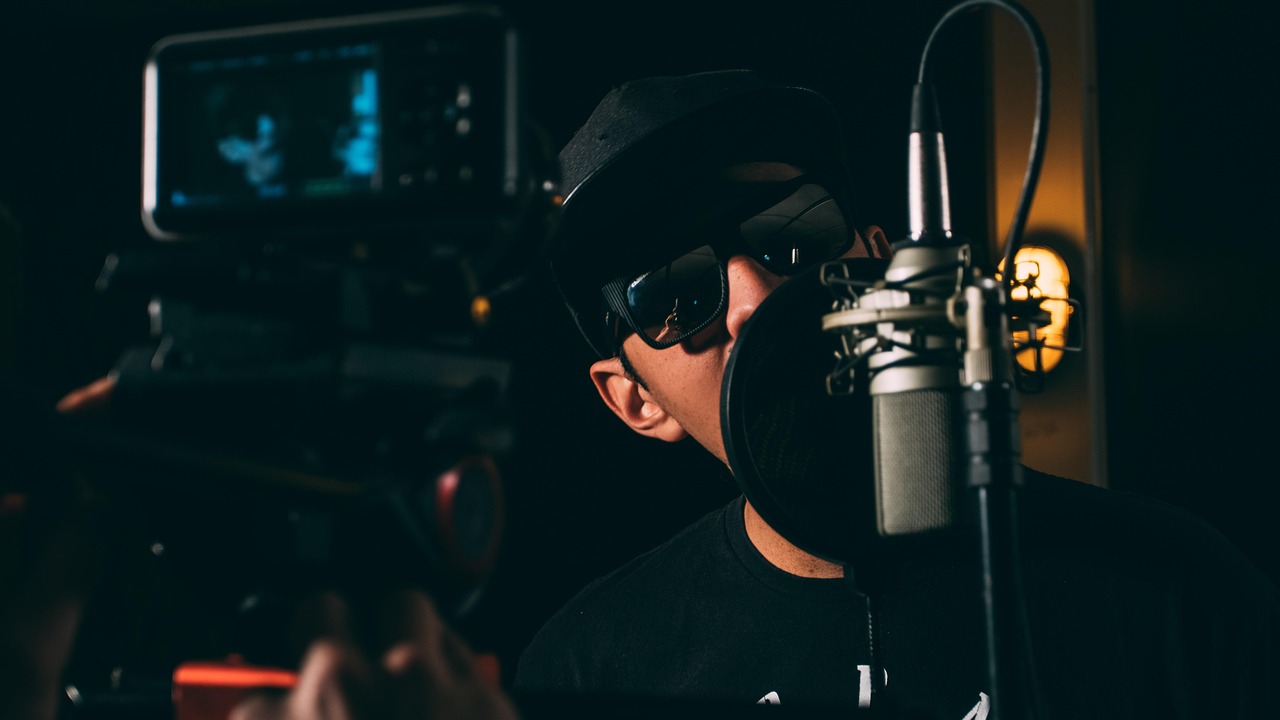
I spent more money than I should have on gear in my first year of home recording. A condenser microphone I didn't know how to use properly. A preamp I didn't need. Acoustic treatment panels that solved a smaller fraction of the problem than I thought. Looking back, the two hundred dollars I eventually spent learning mixing fundamentals did more for the quality of my recordings than the previous eight hundred in equipment.
The Minimum Viable Home Studio (That Actually Works)
You need four things to record at home: an audio interface, a microphone, headphones, and a DAW (digital audio workstation). That's genuinely it for getting started. Everything else — acoustic treatment, preamps, outboard gear, studio monitors — improves from there but isn't required for first recordings.
Audio interface recommendations for beginners consistently converge on the same three: Focusrite Scarlett Solo ($120, single microphone input), Focusrite Scarlett 2i2 ($160, two inputs), and the Universal Audio Volt 2 ($200, better preamps). The Scarlett 2i2 is the most commonly recommended starting point — stable drivers, broad DAW compatibility, and preamps that are genuinely good at the price point.
Microphones: the Audio-Technica AT2020 ($99) is the standard recommendation for vocal and instrument recording. The Shure SM57 ($99) is the standard recommendation for recording guitar amplifiers and snare drums. Both are professional tools used in studios alongside much more expensive equipment. The price ceiling matters much less than most marketing suggests.
Headphones: closed-back for recording (to prevent bleed when tracking with a microphone nearby), open-back for mixing (more accurate spatial representation). The Sony MDR-7506 ($100) and Audio-Technica ATH-M50x ($150) are the standard closed-back recommendations. Beyerdynamic DT 990 Pro ($180) is the common open-back choice.
DAW: this is where you don't need to spend money. GarageBand is free on Mac and is a legitimate recording tool used for released music. Reaper is $60 with an unlimited trial and is the recommendation for cross-platform users who want a full-featured DAW without subscription pricing. Ableton Live has a free 90-day trial. The "best" DAW is the one you learn, not the most expensive one.
The Acoustic Problem (And Realistic Solutions)
Acoustic treatment is real and matters, but the YouTube home studio tours create a distorted picture of what's required. Professional acoustic treatment — custom panels, bass traps, diffusers designed for the room's specific dimensions — is expensive and highly effective. Budget acoustic treatment (foam panels from Amazon, DIY panels with rockwool) is inexpensive and partially effective. The difference between an untreated small room and a well-treated small room is significant; the difference between decent treatment and professional treatment is meaningful but smaller.
The most effective low-budget acoustic treatment: record in a smaller room (less standing wave buildup than large rooms), hang heavy curtains or blankets on parallel walls (reduces flutter echo), record with the microphone close to the source (closer recording captures less room). A closet full of clothes is a genuinely decent recording environment. I've tracked vocals in closets for two years.
The Skill That Matters More Than Gear
Gain staging. Learning to record at proper levels — hot enough to capture detail, quiet enough to preserve headroom — resolved more of my early recording problems than any equipment upgrade. Distorted recordings due to clipping, noise floors from recording too quietly, and the consequent inability to process audio cleanly — all of these are gain staging problems, not equipment problems.
The concept is simple: your signal should peak between -18dBFS and -12dBFS during tracking. Louder than -6dBFS is dangerous territory for clipping; quieter than -24dBFS and you're fighting noise. This is adjustable at the audio interface's input gain knob, not in the DAW itself.
Microphone placement is the other skill that scales with practice rather than spend. Moving a microphone six inches in any direction can change the character of a recording dramatically. The 3:1 rule (when using two microphones, the distance from one to the source should be at least three times the distance between the two microphones) addresses the most common placement mistake.
Honest Bottom Line: A Focusrite Scarlett 2i2, an AT2020 microphone, closed-back headphones, and a free DAW is a functional home recording setup. Acoustic treatment helps significantly; a clothes closet helps substantially. The skill investments that matter most are gain staging and microphone placement — both are learnable in a week and improve recordings more than most equipment upgrades.
Daniel Wu is an artist, designer, and creativity writer who covers visual arts, music, writing, and the creative process with genuine practitioner insight. With a BFA in Graphic Design and 12 years of professional creati...
![Learning Piano as an Adult [2026]: What Actually Works and How Long It Really Takes](/img/posts/fix-learning-piano-adult-honest-2026-2c96cd38.jpg)
![Learning Music Production in: Complete Beginner Guide [2026]](/img/posts/fix-music-production-beginner-honest-20-1d162282.jpg)
![How I Grew My Spotify Playlists to 10,000+ Followers [2026]](/img/posts/1611339555312-e607c8352fd7.jpg)