Woodworking for Beginners in 2026: What I Spent, What I Made, and What I'd Do Differently
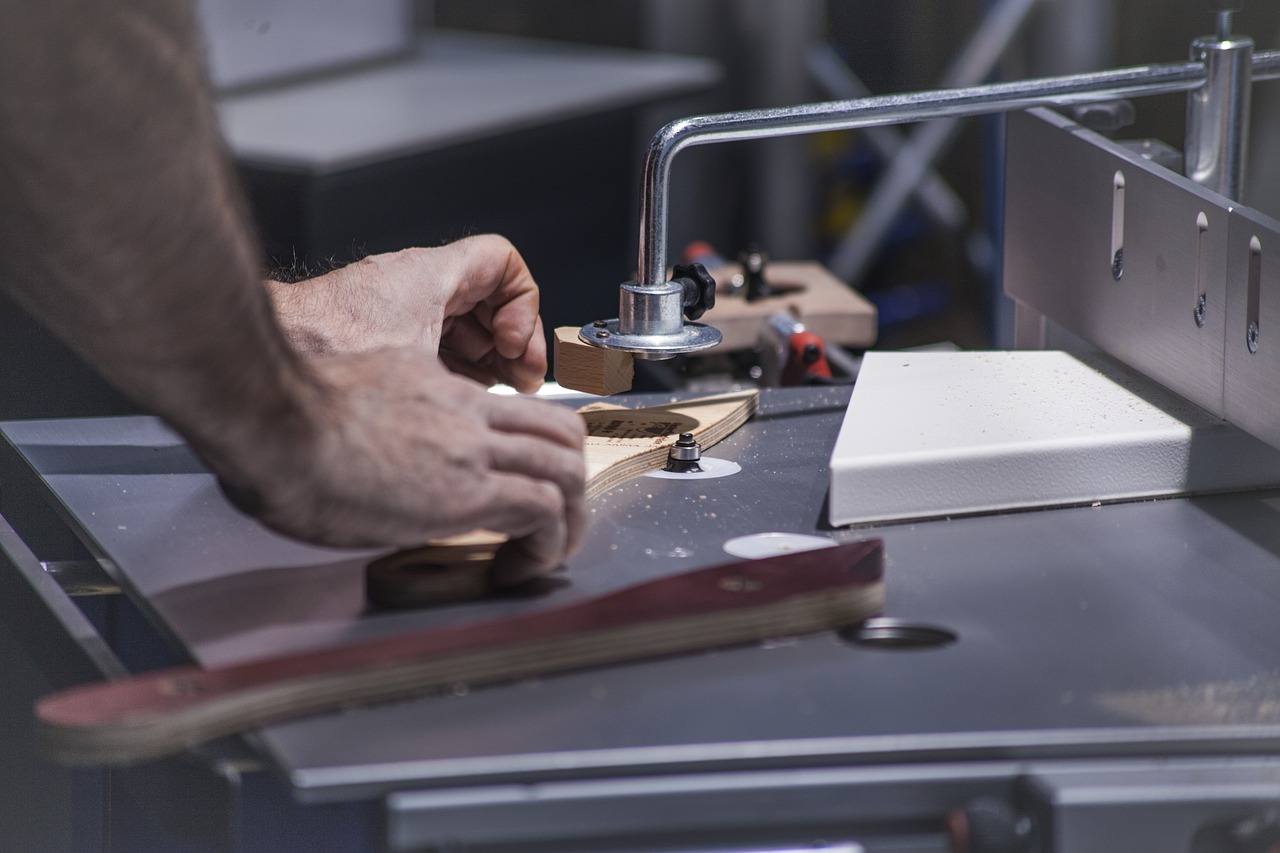
Woodworking YouTube makes it look like you need a $50,000 workshop to make anything worth making. Two years ago I started with a circular saw, a drill, a $30 workbench, and a garage floor that wasn't level. I've since made furniture I actually use and given away pieces as gifts. Here's what the learning curve actually looked like.
The Tool Trap and How to Avoid It
The most consistent beginner mistake in woodworking is buying tools before developing the skills to use them. A table saw is versatile and powerful, but it requires understanding of grain direction, feed rate, and kickback prevention that takes time to develop. A $500 router can make beautiful work and dangerous mistakes with equal ease.
The tools I'd tell a beginner to buy first: a good circular saw ($80-150), a quality drill/driver combo ($100-150 for a cordless kit), a random orbital sander ($50-80), clamps (many clamps — you always need more than you think), measuring tape, speed square, and a sharp hand saw. That's a functional woodworking setup for under $500 that can produce real projects.
The power tools I'd add after developing basic skills: a miter saw for accurate cross cuts ($200-300 for a basic model), a jigsaw for curves, and eventually a router for edge profiles and joinery. A table saw is wonderful but not the first tool to buy — the circular saw with a straight edge guide can do much of what a table saw does for most beginner projects.
The Projects That Actually Taught Me Things
Not all projects build skills equally. The projects that taught me the most fundamental skills:
A simple box with a lid. Teaches measuring and marking accurately, cutting square edges, fitting pieces together, and basic finishing. If the lid doesn't fit properly, you understand exactly what went wrong.
A wall-mounted shelf with hidden fasteners. Teaches drilling into studs, checking for level, and the satisfaction of something that needs to hold weight actually holding weight.
A simple workbench. Ironically, the tool that made the most difference wasn't a saw or a drill — it was a proper workbench with a vise. Working on sawhorses or a door over buckets is doable but it slows everything down. Building my own workbench, which took a weekend, improved every subsequent project.
A small cabinet with a door and shelf. This is where joinery becomes necessary. Getting a door to hang straight and close cleanly teaches more about precision than any number of simpler projects.
Wood Selection: The Gap in Most Tutorials
Most beginner tutorials skip over wood selection, which turns out to matter a lot. The key distinction: dimensional lumber from the home improvement store (2x4s, 2x6s) is cheap and widely available but often wet, warped, and full of knots. It's fine for structural work and workbenches; it's frustrating for furniture.
For furniture, hardwoods from a lumber yard — oak, maple, poplar, walnut — are significantly more expensive but much more pleasant to work with. Poplar is a good starting hardwood: relatively cheap, stable, and takes paint and stain well. For projects that will be stained rather than painted, oak is forgiving and widely available at home improvement stores in select boards.
The buying advice nobody gives: take your time at the lumber yard. Look at multiple boards before selecting. Check for warp by looking down the length of the board (you can see a bow or twist easily). Check both faces and edges. Taking 20 minutes to select good material saves hours of frustration working with bad material.
Safety: The Part I Didn't Take Seriously Enough
Woodworking tools are serious. I have two scars that are permanent reminders of moments of inattention. The safety rules that matter most: hearing protection for power tools (cumulative hearing damage is real and irreversible), eye protection always, dust mask for sanding and routing (wood dust is a carcinogen with long-term lung effects), and keeping hands away from the blade path.
The specific safety practice that matters most for beginners: never force a cut. If the saw is laboring, something is wrong — the blade is dull, the feed rate is too fast, or the material is binding. Forcing the cut is when kickback and binding happen. Stop, assess, address the underlying issue.
Honest Bottom Line: Start with a circular saw, drill, sander, and clamps rather than a table saw and router. Build projects that require precision rather than projects that look impressive — a well-fitted box teaches more than a complex but sloppy cabinet. Take time selecting material at the lumber yard. Safety rules matter most for the situations where you're tired, rushing, or frustrated — which is exactly when accidents happen.

Daniel Wu is an artist, designer, and creativity writer who covers visual arts, music, writing, and the creative process with genuine practitioner insight. With a BFA in Graphic Design and 12 years of professional creati...
![Resin Art [2026]: What Nobody Tells You Before You Start](/img/posts/resin-art-honest-beginner-2026-5f23b52d.jpg)
![Learning to Sew in: Complete Beginner Guide [2026]](/img/posts/fix-beginner-sewing-honest-guide-2026-6e56a309.jpg)
![Building a Second Income Stream [2026]: 5 Models That Actually Pay](/img/posts/1602928298849-325cec8771c0.jpg)
![Sourdough Bread: Complete Beginner Guide [2026]](/img/posts/fix-sourdough-bread-beginners-honest-gu-0d88a696.jpg)