Remote Team Collaboration in 2026: What Actually Works for Distributed Teams
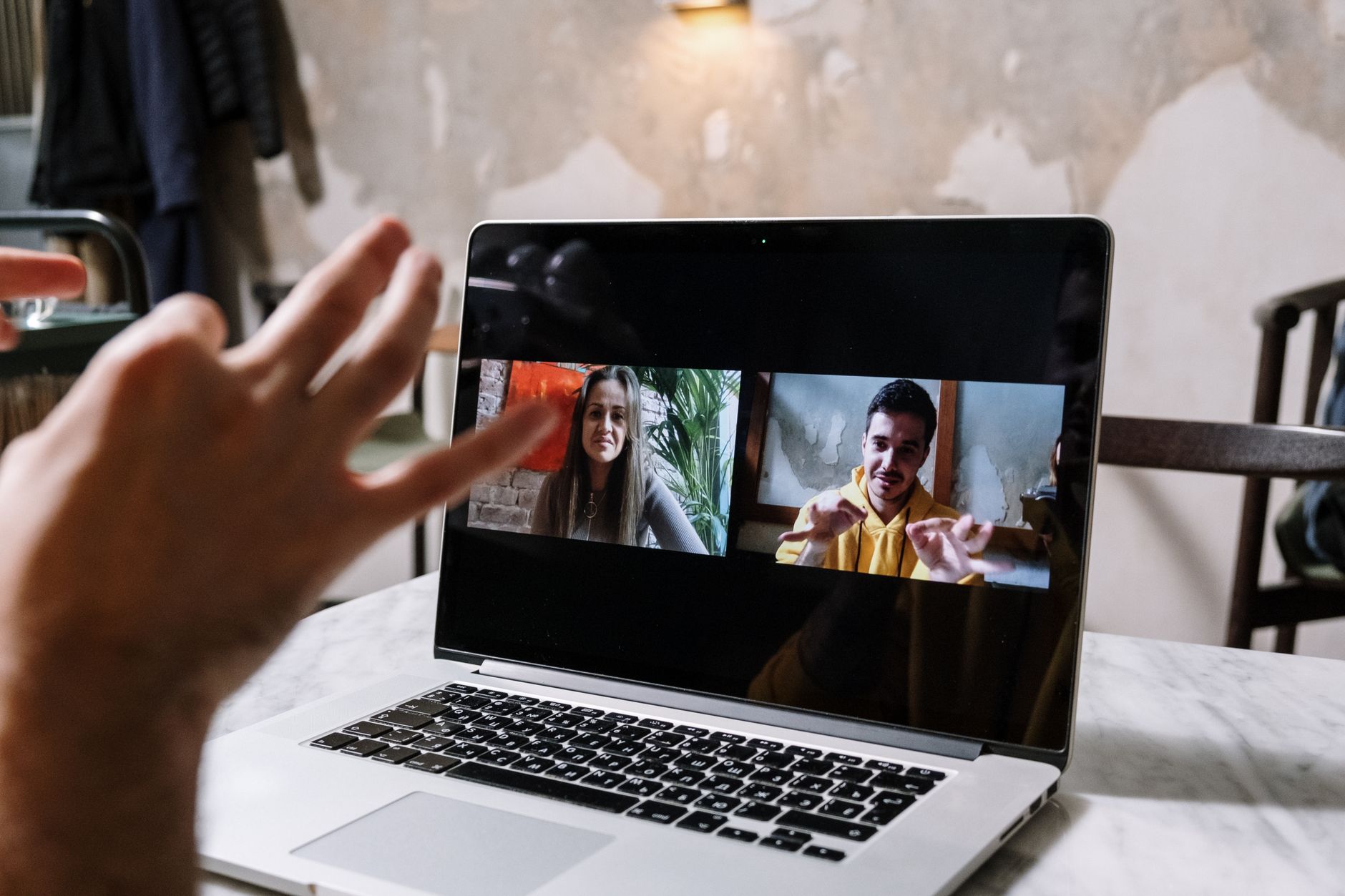
Remote team collaboration is consistently harder than in-person collaboration for specific, identifiable reasons — and most remote teams try to solve these problems by replicating in-person patterns (more video meetings) rather than redesigning their workflows for distributed environments. The teams that collaborate most effectively remotely are those that deliberately redesign communication and collaboration norms for their distributed context. Here is what actually works.
The Async-First Principle
The most effective distributed teams operate on an async-first principle: the default for communication is asynchronous (written, recorded, or structured async tools) rather than synchronous (real-time meetings and calls). This isn't about eliminating meetings — it's about recognizing that synchronous communication is expensive (requires everyone to be available simultaneously, often across time zones) and should be reserved for situations where real-time interaction is genuinely necessary. The async-first principle means: write it down instead of calling a meeting, use loom videos for complex explanations instead of live calls, use structured async tools (Notion, Confluence, Linear) for project tracking instead of status update meetings, and reserve synchronous time for genuine collaboration — brainstorming, difficult conversations, relationship building.
Written Communication as the Foundation
Remote teams succeed or fail based on the quality of their written communication. Teams where people communicate clearly and completely in writing produce better async outcomes; teams where written communication is fragmented, unclear, or assumes shared context that doesn't exist produce misalignment and rework. The skills that matter most for remote team written communication: being complete (providing enough context that the reader can act without needing to ask clarifying questions), being concise (long messages get skimmed; important information buried in length gets missed), and being explicit about what response is needed and when.
Deliberate Relationship Building
Remote teams miss the relationship-building that happens incidentally in offices — the informal interactions that build trust, reveal personality, and create the social connection that makes difficult conversations easier. Effective remote teams compensate with deliberate relationship-building: virtual coffees with no work agenda, team channels for non-work sharing, occasional in-person gathering (companies that bring remote teams together 1-2 times per year consistently report higher team cohesion than those that never do), and manager-initiated 1:1 time that includes personal check-in beyond task status.
Honest Bottom Line: The most effective remote teams operate async-first — default to written/recorded communication, reserve synchronous meetings for genuine collaboration needs (brainstorming, difficult conversations, relationship building). Written communication quality is foundational — complete, concise, and explicit about required response and timeline. Deliberate relationship building (virtual coffees, non-work channels, occasional in-person gatherings, personal check-in in 1:1s) compensates for the incidental relationship building that offices provide. Companies that gather remote teams in person 1-2 times per year consistently report higher cohesion than those that never do — the investment in travel pays back in relationship quality that improves daily async collaboration.