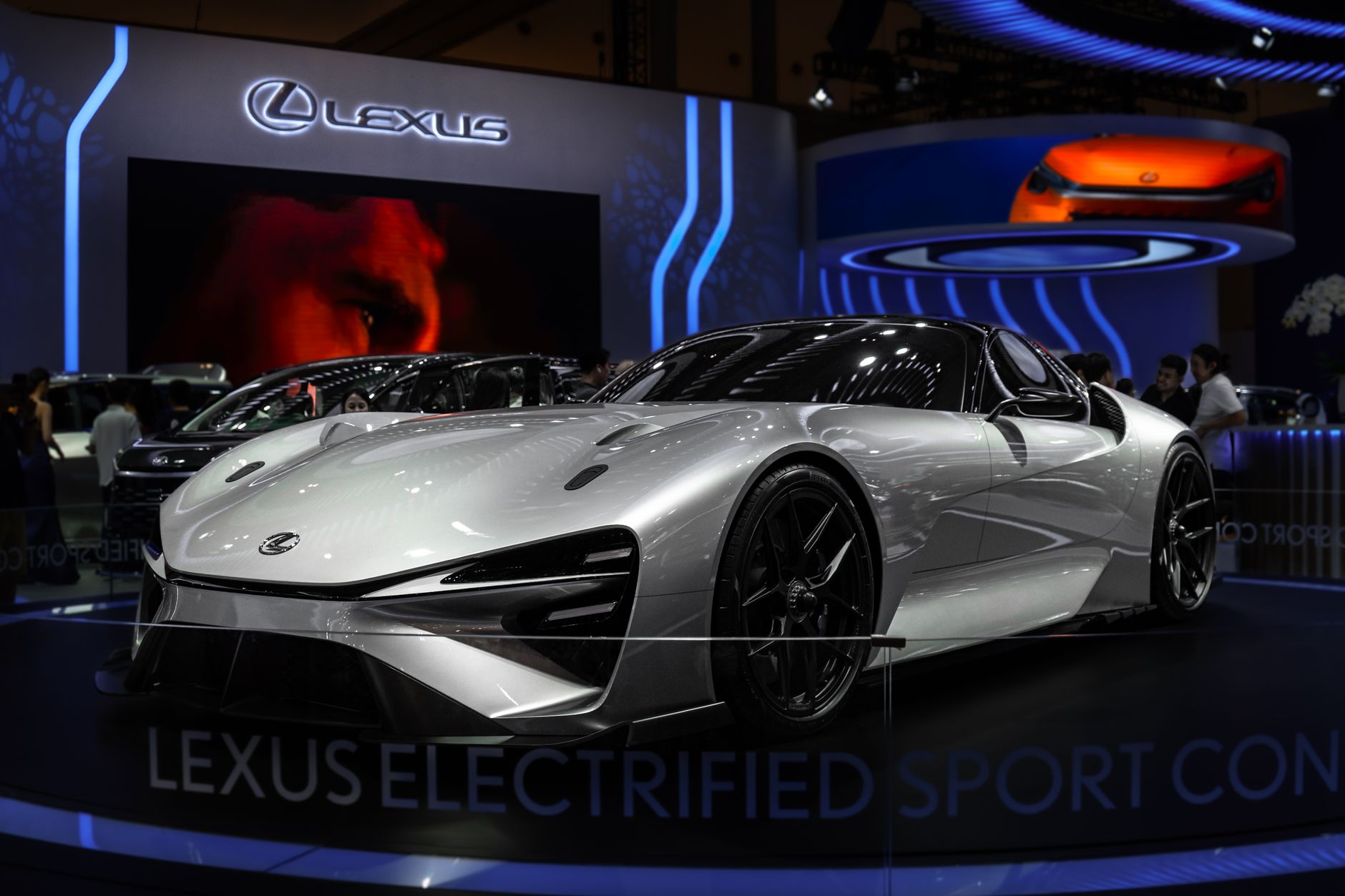
EV Range in the Real World: What Dealers Don't Tell You [2026]
![EV Range in the Real World: What Dealers Don't Tell You [2026]](/img/posts/fix-ev-real-world-range-vs-epa-rating-2-2ca65495.jpg)
The EPA range rating on an EV window sticker is determined under specific, controlled conditions that don't fully represent how most people drive or the conditions they drive in. This isn't unique to EVs — the fuel economy sticker on a gasoline vehicle has the same limitation — but it matters more for EVs because range anxiety is real and the gap between the sticker number and real-world performance creates genuine surprises for new EV owners. Here is how to think about it honestly.
How the EPA Number Is Calculated
The EPA's range test uses a standardized driving cycle conducted in a climate-controlled lab at a specific temperature (around 75°F), at speeds and acceleration rates that represent "typical" driving, with the HVAC system off or minimized. The vehicle runs until the battery is depleted. The result is the range number that appears on the window sticker.
In practice, EPA ratings have been reasonably accurate for some vehicles and optimistic for others. Manufacturers who design their drive cycles and vehicle calibration specifically to perform well on the EPA test can produce vehicles that get the sticker number in the test but considerably less in typical use. Independently tested real-world ranges from organizations like Consumer Reports and sites like EV Database consistently show that average real-world range is 10-25% below the EPA rating across the fleet, with significant variation by model.
The Variables That Actually Affect Range
Temperature is the largest variable most people don't fully account for. At 32°F (0°C), range typically drops 20-30% compared to the EPA test conditions. At 0°F (-18°C), the drop can reach 40-50% for some vehicles. The mechanism is dual: cold reduces battery chemistry efficiency (lithium-ion batteries discharge faster in cold and can't accept charge as quickly), and heating the cabin consumes significant energy that would otherwise go to propulsion. Some manufacturers (notably Tesla and some newer Korean manufacturers) have invested heavily in heat pump systems and battery thermal management that reduce cold-weather range loss, but no vehicle is immune to it.
Speed has a disproportionate effect due to aerodynamic drag increasing as the square of speed. A vehicle rated at 300 miles at mixed speeds might get 200-220 miles at consistent 80 mph highway driving. This is the most consistent real-world complaint from EV owners who do regular highway trips — the highway range is meaningfully shorter than the mixed-use EPA number suggests.
HVAC usage — particularly heat in winter — is expensive for EVs in a way it isn't for gasoline vehicles. Gasoline engines generate waste heat that cabin heating recaptures essentially for free. EVs use electrical resistance heating (or heat pumps in more efficient implementations) that draws directly from the battery. Running the heat aggressively on a cold day can cost 15-20% of your range before you've driven a mile.
What This Means for Real Planning
A practical rule of thumb: plan for 75-80% of the EPA range as your usable range in typical conditions, and 60-65% in cold conditions. Apply this to your specific situation: if your daily commute is 60 miles and you have a vehicle rated at 300 miles EPA, you're looking at roughly 225 miles real-world in normal conditions — 60 miles is 27% of that, which is manageable with nightly charging. In winter, the real-world range drops to roughly 185 miles — 60 miles is now 32% of that, still manageable but with a smaller buffer.
For long-distance trips, the charging stop calculation changes. If you're planning a 400-mile trip in a vehicle with 300-mile EPA range, you're already planning one charging stop. In cold weather with highway speeds reducing that to 200-220 miles of real-world range, you're planning two stops. This isn't necessarily a dealbreaker, but it needs to be in the plan rather than a surprise en route.
Which Models Perform Better in Real World
The gap between EPA and real-world varies significantly by manufacturer and model. Some consistently deliver close to or above their EPA rating in real-world testing; others fall short consistently. Looking at independent testing from PlugShare's community data, Consumer Reports testing, and the EV-specific review sites (InsideEVs, Electrek) before purchasing gives a much clearer picture than the window sticker alone. A vehicle with a 280-mile EPA rating that consistently delivers 270 real-world miles is a better long-distance proposition than a 320-mile vehicle that delivers 240.
The Battery Degradation Factor
EV batteries degrade over time, reducing capacity. Modern batteries in well-managed thermal systems degrade more slowly than early EV generations, but the degradation is real. After 100,000 miles, most EVs retain 80-90% of original battery capacity — meaning a 300-mile vehicle becomes a 250-270 mile vehicle in terms of peak range. This is usually gradual and imperceptible day-to-day, but it matters for multi-year ownership planning and for used EV purchases where you should verify current battery health before buying.
My honest take: Treat the EPA number as an optimistic ceiling and plan on 75-80% of it for everyday driving. In winter, plan for 60-65%. Check independent real-world testing for any specific vehicle you're considering buying.
According to Consumer Reports' annual reliability survey — one of the largest owner-reported datasets in the automotive industry — long-term reliability differs substantially between manufacturers, with ownership costs over 5 years varying by thousands of dollars for vehicles in the same price bracket.

William Grant is an automotive journalist and certified mechanic with 15 years of experience covering cars, electric vehicles, and transportation technology. He has tested over 300 vehicles and covers automotive topics w...

![EV Range Anxiety in [2026]: Is It Still a Problem Worth Worrying Ab...](/img/posts/fix-ev-charging-anxiety-honest-solution-3a83f892.jpg)