EV Ownership in 2026: What Nobody Tells You Before You Buy

Electric vehicle ownership in 2026 is a genuinely good experience for a specific type of driver and a significantly worse experience for others — and the marketing for EVs, which emphasizes the best-case scenarios, systematically underrepresents the cases where EVs work poorly. After three years of EV ownership across different use cases and geographic contexts, the honest picture is more conditional than either EV advocates or critics typically acknowledge.
Who EVs Work Best For
EVs work best for drivers who have predictable daily driving patterns below the vehicle's range, have access to home charging (a Level 2 charger in a garage or driveway is the transformative feature that makes EV ownership genuinely convenient), and rarely need to make long-distance trips on short notice. For this profile — a suburban or urban driver who commutes under 60 miles daily, owns or rents a space where they can install a charger, and plans road trips with some flexibility — EVs provide a genuinely superior daily ownership experience. You leave home every morning with a full charge without ever stopping at a gas station; fuel costs are significantly lower; maintenance is reduced (no oil changes, fewer brake replacements due to regenerative braking).
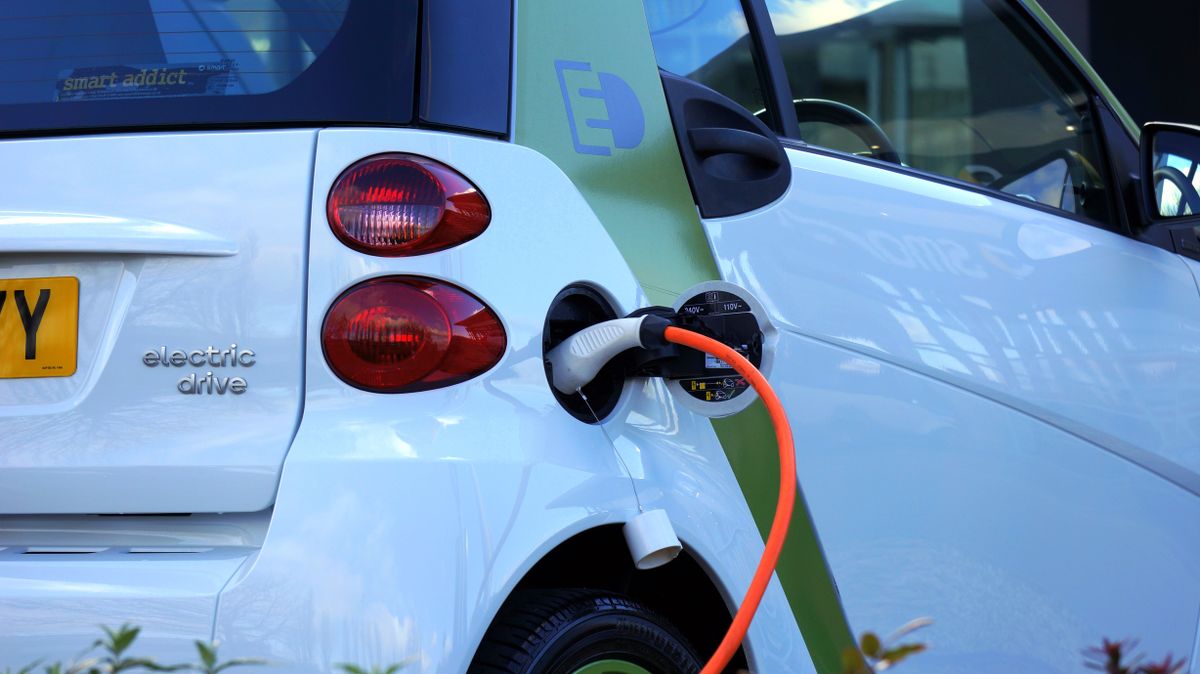
The home charging experience is the critical differentiator. A Level 2 home charger (240V, installed by an electrician for $500-1,500 including the charger) adds 25-40 miles of range per hour of charging. Plugging in overnight, as you would a phone, fully charges most EVs. This routine is genuinely better than the gas station routine for daily driving. The problems emerge when home charging isn't available.
Who EVs Work Poorly For
Apartment and condo dwellers without dedicated parking and charging access face a significantly worse EV experience. Relying on public charging networks for primary charging means planning around charger availability, dealing with charging stations that are occupied, broken, or incompatible, and spending time at charging stations rather than doing other things. The public charging network in the United States has improved significantly — Tesla's Supercharger network opening to non-Tesla vehicles has been the most impactful expansion — but it remains inconsistent enough that apartment-dwelling drivers report frustration levels that gas car drivers don't experience.
Cold climate owners experience real range reduction that affects EV utility. Lithium battery chemistry loses efficiency significantly in cold temperatures — most EVs lose 20-40% of rated range at temperatures below 20°F (-7°C). For a driver in Minnesota or Canada whose commute is at the edge of their EV's range in normal conditions, winter range reduction can make the EV functionally inadequate for some days. The range reduction also affects charging speed in cold weather — DC fast charging is slower when the battery is cold, extending road trip charging stops.
The Range Anxiety Reality
Range anxiety — worry about running out of charge — is less common than the stereotype suggests for drivers with home charging and predictable patterns, and more real than EV advocates acknowledge for drivers without home charging or with irregular patterns. The psychological experience of managing range is genuinely different from managing fuel. Gas is ubiquitous; chargers are not. For most daily use, this doesn't matter — home charging addresses daily range needs. For road trips or emergency flexibility, it requires planning that gas drivers don't need to do.
Honest Bottom Line: EVs provide a genuinely superior daily ownership experience for drivers with home charging, predictable daily patterns under the vehicle's range, and occasional long-distance trips. They work significantly less well for apartment dwellers without dedicated charging, cold climate drivers with range-edge commutes, and drivers who make frequent unplanned long trips. The home charger is the feature that makes EV ownership transformative — without it, EVs require planning and effort that gas cars don't.

William Grant is an automotive journalist and certified mechanic with 15 years of experience covering cars, electric vehicles, and transportation technology. He has tested over 300 vehicles and covers automotive topics w...
![EV Range Anxiety in [2026]: Is It Still a Problem Worth Worrying Ab...](/img/posts/fix-ev-charging-anxiety-honest-solution-3a83f892.jpg)
![EV Home Charging [2026]: Everything I Wish I'd Known Before Buying](/img/posts/fix-ev-home-charging-complete-guide-202-9c60dba0.jpg)