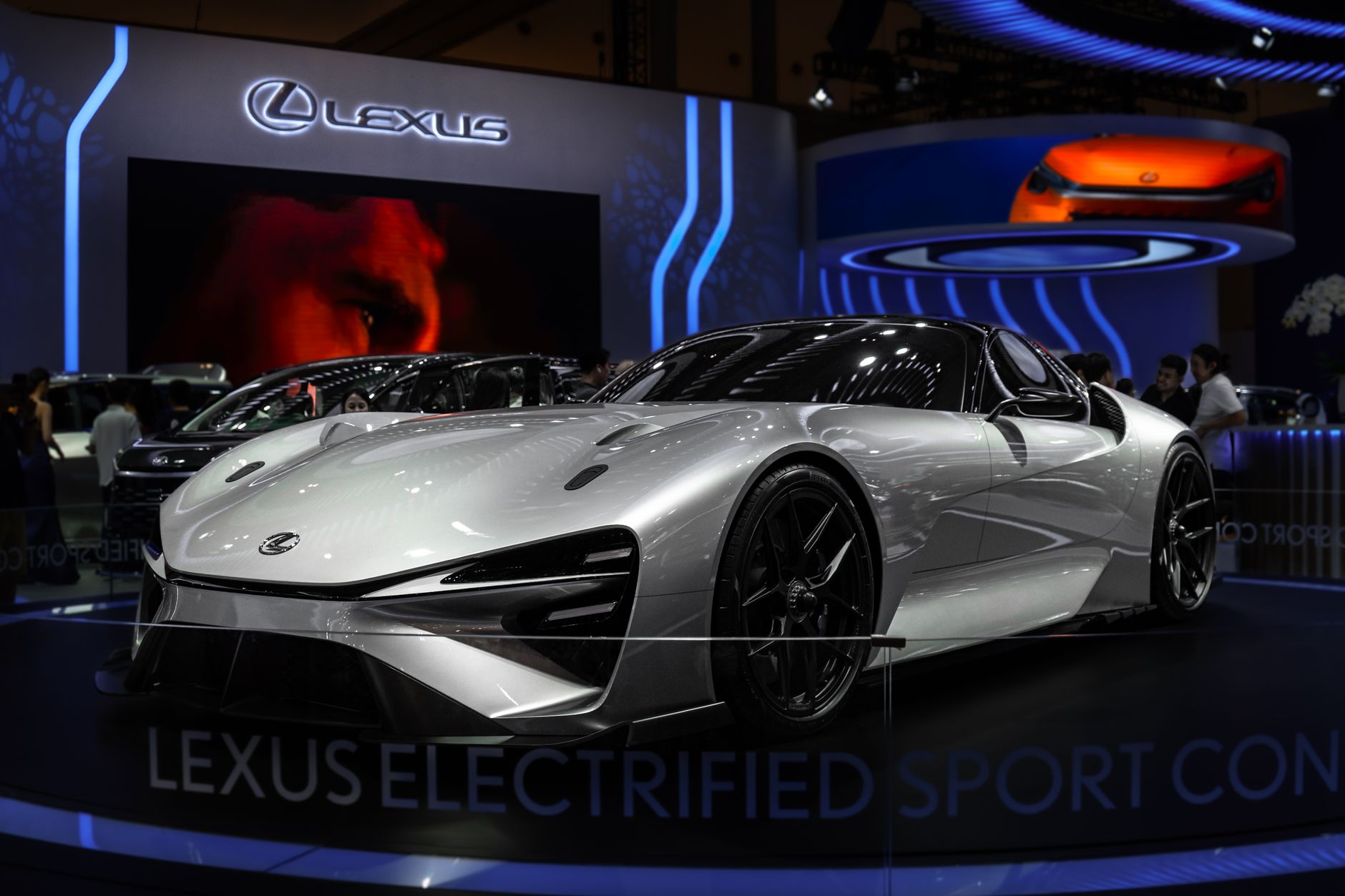
EV Home Charging [2026]: Everything I Wish I'd Known Before Buying
![EV Home Charging [2026]: Everything I Wish I'd Known Before Buying](/img/posts/fix-ev-home-charging-complete-guide-202-9c60dba0.jpg)
I bought my first EV two years ago and assumed home charging would be simple — plug it in, charge it up. What I didn't know was how to choose the right charger, whether my electrical panel could handle it, what a reasonable installation actually costs, and what Level 1 versus Level 2 actually means in practice. I learned all of this through trial and error. Here is the condensed version.
Level 1 vs Level 2: The Practical Difference
Level 1 charging uses a standard 120V household outlet — the same outlet your phone charger uses, just a much bigger draw. No special equipment required. The limitation: Level 1 adds approximately 4-5 miles of range per hour of charging. For a long-range EV with a 300-mile battery, a full charge from near-empty takes 60+ hours. For most people's daily driving (30-40 miles), overnight Level 1 charging keeps up with the usage. But if you drive more than 40 miles regularly or want the flexibility to charge a depleted battery overnight, Level 1 is too slow.
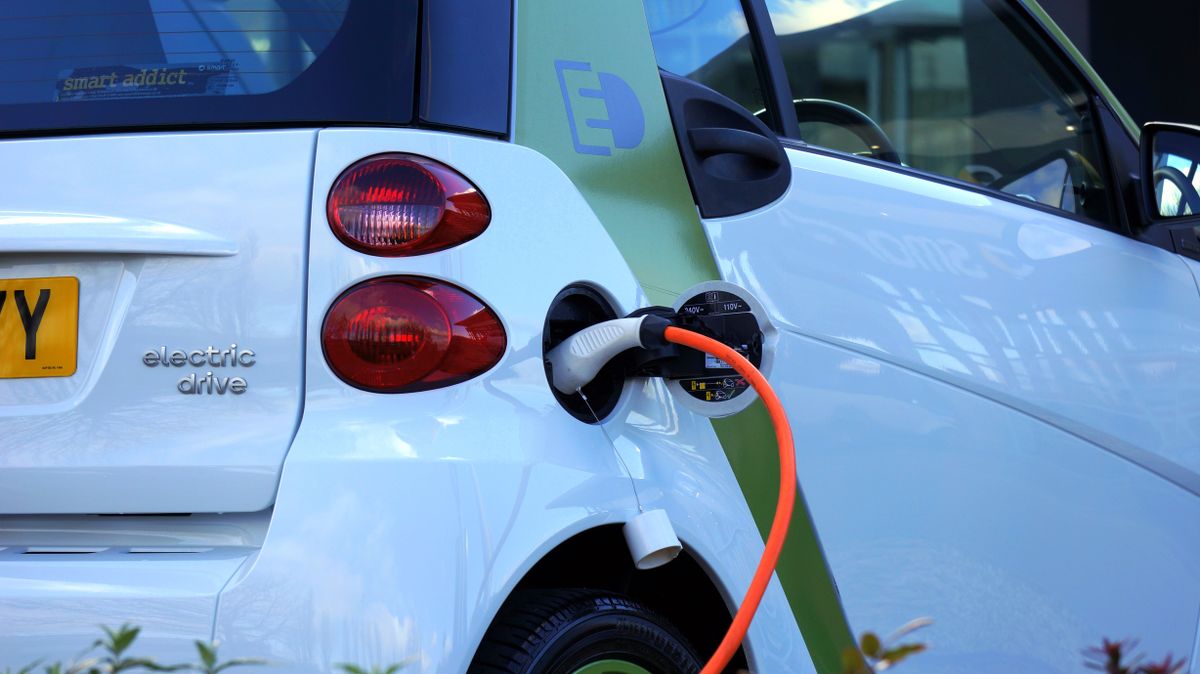
Level 2 charging uses 240V — the same voltage as your dryer or oven. It requires a dedicated circuit and a charging unit (called an EVSE — Electric Vehicle Supply Equipment, though most people just call it a charger). Level 2 adds 15-30 miles of range per hour depending on the charger's power output and the car's onboard charger. A full charge from near-empty on a 300-mile EV takes 8-12 hours — comfortably overnight. This is what most EV owners install.
Choosing a Home Charger
The charger market is crowded and the specifications are confusing. The key specification: amperage, which determines charging speed. Most residential Level 2 chargers run at 32 amps or 48 amps on a dedicated 240V circuit. At 32A you get roughly 25 miles per hour of charging. At 48A you get roughly 37 miles per hour. Unless you're regularly driving more than 200 miles in a day, 32A is plenty — the difference in practical terms is that a depleted battery charges in 10 hours versus 7 hours.
Brands worth considering: ChargePoint Home Flex (excellent app integration, adjustable amperage), Emporia Energy (very competitive pricing, good reliability), Grizzl-E (simple, robust, well-reviewed for cold weather performance), and the manufacturer's own charger if your car brand offers one. The Tesla Wall Connector is excellent for Tesla owners; most other manufacturers have their own branded options that are fine but not always the best value.
WiFi connectivity is increasingly standard but assess whether you actually need it. Features like scheduling (charge during off-peak hours when electricity rates are lower), usage monitoring, and remote control require connectivity. If your utility has time-of-use rates where electricity is cheaper overnight, the scheduling feature has real financial value. If your utility has flat rates, it's a nice-to-have rather than a must-have.
The Electrical Panel Question
Before buying a charger, look at your electrical panel. Find the main breaker and note the amperage — typically 100A or 200A for residential panels. A 48A charger requires a 60A dedicated circuit (breakers are sized at 125% of the load for continuous draws). A 32A charger requires a 40A circuit. On a 100A panel that's already moderately loaded with appliances, finding an additional 40-60A of capacity requires load calculation.
This is where professional assessment matters. An electrician doing the installation (which I strongly recommend — DIY electrical work on a 240V circuit is the category of mistake that causes fires) should assess your panel capacity and tell you whether you need a panel upgrade or load management device. Panel upgrades are expensive ($2,000-5,000+) and add to the installation cost. Some electricians and charger manufacturers offer panel-level load management devices that monitor total panel draw and reduce EV charging speed when other high-draw appliances (oven, dryer) are running simultaneously — this can allow a Level 2 charger on a panel that technically doesn't have headroom for it.
What Installation Actually Costs
The charger hardware ranges from $200-600 for a quality unit. Installation by a licensed electrician runs $300-800 for a straightforward install (panel has capacity, outdoor-rated run is short) to $1,500-2,500+ if the run is long, panel work is needed, or conduit installation is complex. Federal tax credits (30% of combined hardware and installation cost, up to $1,000 under the current credit structure) partially offset this.
Get three quotes. Installation pricing varies significantly and some electricians have more EV installation experience than others — the experienced ones are often faster and produce cleaner installs. Ask specifically about their EV charger installation experience. Check that the permit process is included; some areas require permits for 240V circuit additions and the inspector's sign-off is what makes the installation legally compliant and insurance-valid.
My honest take: Budget $800-1,500 total for hardware and installation for a standard setup. Get Level 2 — the daily convenience is worth every dollar. And get three electrician quotes before committing.
According to Consumer Reports' annual reliability survey — one of the largest owner-reported datasets in the automotive industry — long-term reliability differs substantially between manufacturers, with ownership costs over 5 years varying by thousands of dollars for vehicles in the same price bracket.

William Grant is an automotive journalist and certified mechanic with 15 years of experience covering cars, electric vehicles, and transportation technology. He has tested over 300 vehicles and covers automotive topics w...

![EV Range Anxiety in [2026]: Is It Still a Problem Worth Worrying Ab...](/img/posts/fix-ev-charging-anxiety-honest-solution-3a83f892.jpg)