EV Charging Guide [2026]: Home, Public, and Road Trip Charging Expl...
![EV Charging Guide [2026]: Home, Public, and Road Trip Charging Expl...](/img/posts/1615906655593-ad0386982a0f.jpg)
Range anxiety is the biggest barrier to EV adoption, but it's largely unfounded for anyone who understands how charging actually works. This guide demystifies EV charging completely.
The 80% Rule
Most EV experts recommend charging to 80% for daily use rather than 100%. Lithium batteries degrade faster when consistently charged to maximum. Most EVs also slow their charging rate seriously above 80%. Only charge to 100% before a long trip.
Level 1: Standard Outlet (120V)
Plugging into a standard household outlet adds 3-5 miles per hour. Adequate only for very low-mileage drivers (under 30 miles/day). Free to install but slow — overnight charging adds only 40-50 miles. I was skeptical at first, but the evidence kept pointing the same direction.
Level 2: Home Charger (240V)
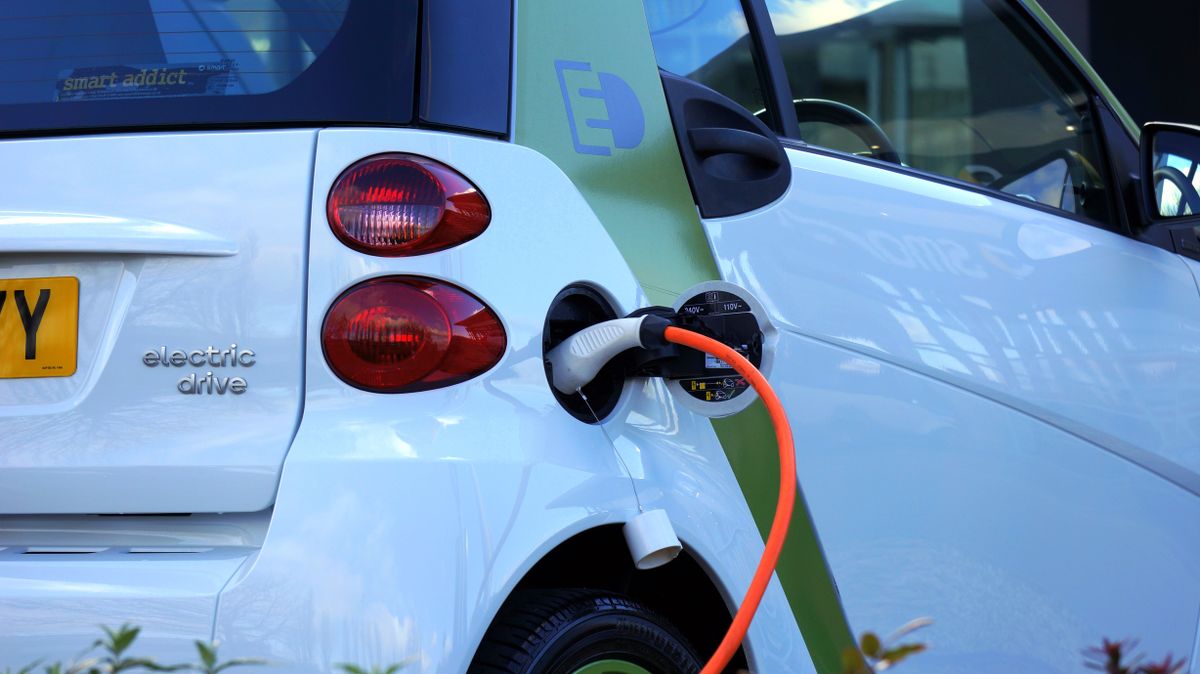
The standard home EV setup. Adds 20-30 miles per hour, fully charging most EVs overnight. Installation costs $500-1,500 including the charger unit and electrician. The ChargePoint Home Flex and Emporia Smart EV Charger are the top-rated options in 2026.
DC Fast Charging: Road Trips
Adds 100-250 miles in 20-30 minutes. Tesla Supercharger network is the most reliable for Tesla owners. For non-Tesla vehicles, Electrify America and ChargePoint have the largest non-Tesla networks. Plan fast charging stops using PlugShare or A Better Routeplanner.
Real talk: Worth your time. Go use it.
Public Charging: What to Actually Expect
The public fast-charging experience has improved substantially but remains less reliable than home charging. Tesla's Supercharger network — now open to non-Tesla vehicles in most markets — is significantly more reliable than competing networks, with higher uptime and more consistent charging speeds. Non-Tesla fast chargers have historically had reliability issues; the CCS standard has improved but station uptime remains below 90% at some provider networks. Apps like PlugShare show real-time availability and recent user reviews that are more informative than network maps alone.
Charging Speed Reality
Advertised charging speeds are maximums that require specific conditions: battery temperature in the optimal range (20-35°C), state of charge below 80% (charging slows significantly above 80%), and a charger operating at full capacity without load-sharing with other vehicles. Real-world charging speeds are typically 60-80% of advertised maximums under typical conditions. Planning charging stops based on 70% of advertised speed is more realistic than planning based on the maximum.
Planning Long Trips
EV trip planning tools have improved substantially. A Better Route Planner (ABRP), the built-in navigation of most modern EVs, and PlugShare all route you through charging stops based on your vehicle's actual efficiency rather than idealized range. The planning takes 5-10 minutes for a long trip and becomes routine after two or three experiences. The charging stop itself — typically 20-40 minutes at a fast charger — aligns reasonably well with rest stop and meal break frequency that road trip best practices already recommend.
According to Consumer Reports' annual reliability survey — one of the largest owner-reported datasets in the automotive industry — long-term reliability differs substantially between manufacturers, with ownership costs over 5 years varying by thousands of dollars for vehicles in the same price bracket.
The Honest Tradeoffs
No vehicle choice is optimal for every driver. The tradeoffs between reliability, performance, efficiency, and cost are genuine — optimizing for one typically compromises another. Electric vehicles make excellent financial sense for drivers with home charging access and predictable daily ranges, and poor sense for those without. The best choice depends entirely on your specific usage pattern, and anyone presenting a single answer for all buyers is oversimplifying.
Honest Bottom Line: Public fast-charging reliability varies significantly by network — Tesla Superchargers are the most reliable, while other networks have historically had uptime issues. Plan around 70% of advertised charging speed for realistic estimates. EV trip planning tools like ABRP make long trips manageable; a 20-40 minute fast charge aligns naturally with rest stop frequency that good road trip planning recommends anyway.

William Grant is an automotive journalist and certified mechanic with 15 years of experience covering cars, electric vehicles, and transportation technology. He has tested over 300 vehicles and covers automotive topics w...

![EV Range Anxiety in [2026]: Is It Still a Problem Worth Worrying Ab...](/img/posts/fix-ev-charging-anxiety-honest-solution-3a83f892.jpg)