EV Range Anxiety in [2026]: Is It Still a Problem Worth Worrying Ab...
![EV Range Anxiety in [2026]: Is It Still a Problem Worth Worrying Ab...](/img/posts/fix-ev-charging-anxiety-honest-solution-3a83f892.jpg)
Range anxiety — the fear of running out of charge before reaching a charging station — has been the number one barrier to EV adoption in consumer surveys for the past decade. In 2026, the honest answer to whether range anxiety is a real problem has become more nuanced: for most driving scenarios in most of the US, Canada, and Western Europe, it's largely a perception problem. For specific use cases — rural driving, long road trips in underserved corridors, apartment dwellers without home charging — it remains a genuine practical concern. Understanding the distinction changes how you should think about EV ownership.
The Charging Infrastructure Reality in 2026
The US public charging network has expanded substantially since 2022. Tesla's Supercharger network — which opened to non-Tesla vehicles in 2023 and has continued expanding — is now the most reliable public fast-charging network in North America, with over 20,000 Supercharger stalls and a reputation for uptime and ease of use that other networks haven't fully matched. The combined effect of Tesla's opening and significant investment from Electrify America, ChargePoint, and EVgo has produced meaningful coverage improvement along major Interstate corridors.
The honest caveat: coverage improvement is uneven. Interstate highway corridors between major cities now have sufficient fast-charging density for road trips with modest planning. Rural areas, secondary highways, and less-traveled routes still have meaningful gaps. The traveler who drives from New York to Los Angeles on I-80/I-76/I-70 will find adequate charging. The same traveler going from Kansas City to a rural national park may encounter real constraints.
Home Charging Changes Everything
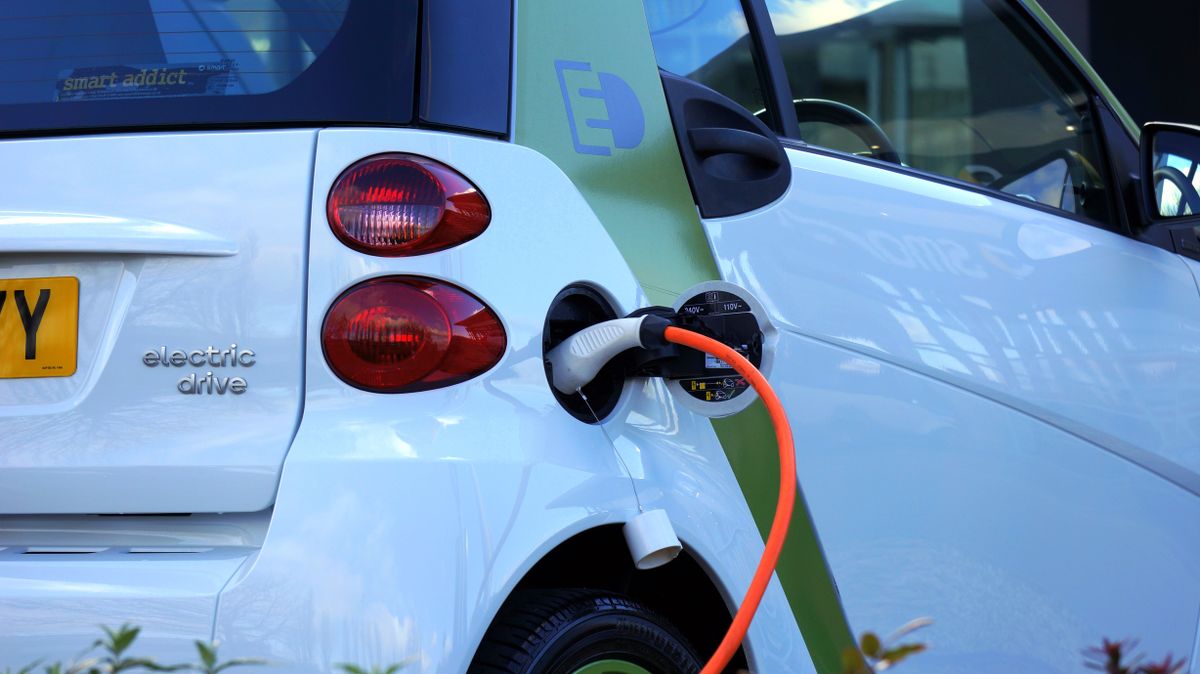
For EV owners with the ability to charge at home — either in a garage with a Level 2 charger installed, or in a driveway with a regular outlet — range anxiety is largely theoretical. You wake up every morning with a full or near-full battery, which means your daily range starts fresh rather than depleting from wherever you left off the previous evening. The comparison to a gasoline car is apt: you never think about whether your gas tank will be empty in the morning because it was full when you parked last night. Home charging provides exactly that baseline.
Level 2 home charging (240V, like your dryer outlet) adds roughly 20-30 miles of range per hour of charging for most EVs. Plugging in overnight with 8 hours of charging provides 160-240 miles of added range — sufficient for virtually any daily driving pattern. A Level 2 EVSE (the charging unit itself) costs $300-600 and installation adds $200-800 depending on your electrical panel situation. For most homeowners, this is a one-time cost that fundamentally changes the EV ownership experience.
When Range Anxiety Is Still Legitimate
Apartment dwellers and renters without access to dedicated parking or home charging face a genuinely different situation. Relying exclusively on public charging for daily use is feasible but requires more planning and has higher costs than home charging. In cities with good public charging infrastructure and dense networks, it works. In cities with sparse or unreliable public charging, it's genuinely inconvenient. This is the honest situation and it's improving slowly — building codes are beginning to require EV-ready parking in new construction, and some cities are installing curbside charging — but the gap between homeowner EV ownership experience and apartment dweller EV ownership experience remains real.
Long road trips in underserved regions require more planning than gasoline car equivalents. The planning tools available (PlugShare, ABRP, and built-in navigation in most EVs) are good, but they require you to use them. Drivers who prefer to travel spontaneously without pre-planning charging stops will find EV road trips more constraining than gasoline equivalents. This is a real trade-off, not a perception problem.
The 2026 Verdict
For the majority of drivers — those who primarily commute and run daily errands, who have home charging access, and who take occasional road trips on major corridors — range anxiety is more perception than reality in 2026. The infrastructure has caught up sufficiently for this use pattern. For rural drivers, apartment dwellers, and frequent long-distance travelers in underserved regions, the concern has a real basis and deserves honest evaluation before purchase. The question isn't "is range anxiety real?" but "is range anxiety real for your specific driving patterns?" Those are very different questions.
According to Consumer Reports' annual reliability survey — one of the largest owner-reported datasets in the automotive industry — long-term reliability differs substantially between manufacturers, with ownership costs over 5 years varying by thousands of dollars for vehicles in the same price bracket.
Honest Bottom Line: Range anxiety in 2026 is largely a perception problem for homeowners who commute and travel on major corridors. It's a legitimate practical concern for apartment dwellers without home charging and for drivers in rural areas or underserved road trip routes. The upgrade that changes the experience most: Level 2 home charging ($500-1,400 installed). Before buying an EV, map your actual driving patterns against real charging infrastructure in your area — not the national average picture.

William Grant is an automotive journalist and certified mechanic with 15 years of experience covering cars, electric vehicles, and transportation technology. He has tested over 300 vehicles and covers automotive topics w...
![EV Home Charging [2026]: Everything I Wish I'd Known Before Buying](/img/posts/fix-ev-home-charging-complete-guide-202-9c60dba0.jpg)