Buying an Electric Vehicle in [2026]: Is It Worth the Switch?
![Buying an Electric Vehicle in [2026]: Is It Worth the Switch?](/img/posts/fix-ev-buying-guide-2026-226adfe6.jpg)
I bought my first EV two years ago after six months of research. Several things I thought I knew turned out to be wrong. Here is the current picture as I actually understand it.
Range Anxiety: Still Real, But Different
Range anxiety has shifted from "will I get stranded" to "will charging be convenient enough." For most people driving under 200 miles daily, modern EVs have more than adequate range — even modest EVs now have 200–300 mile real-world range. The calculation changes for long-distance travel, where the charging network quality and speed significantly affect trip feasibility and time. Tesla's Supercharger network remains the most reliable; other manufacturers now have access through NACS adapters, but coverage density varies meaningfully by region.
The Charging Infrastructure Reality
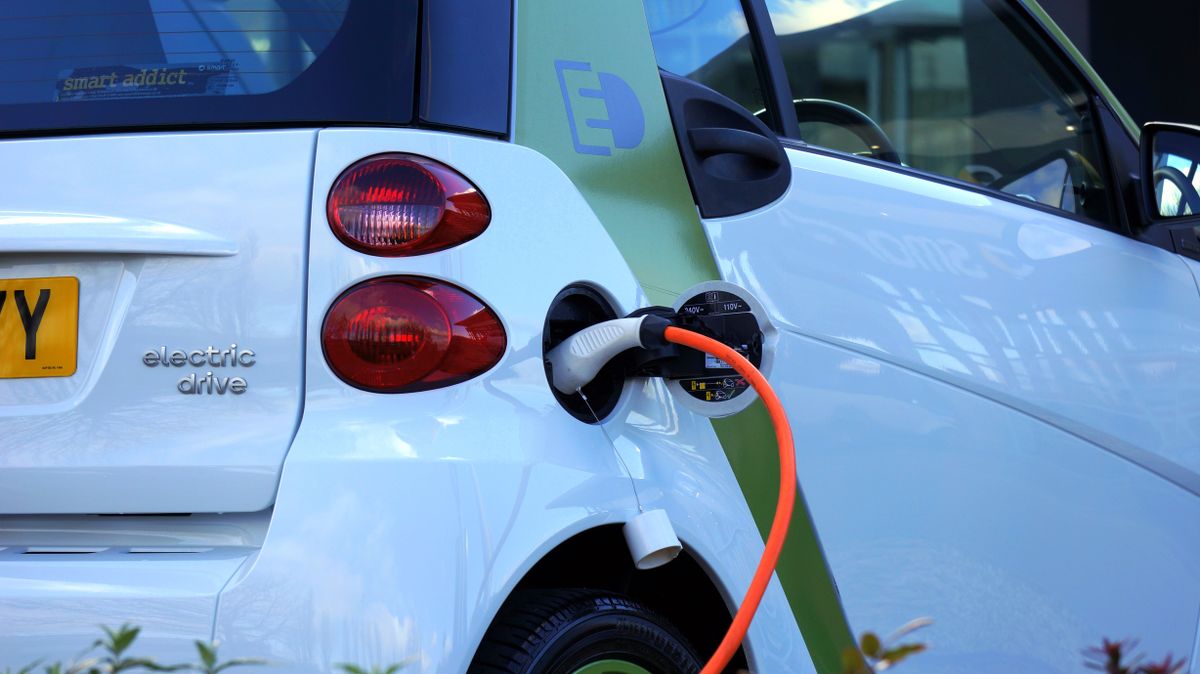
Home charging is essential for most EV ownership to work smoothly — not technically required, but the experience of relying entirely on public charging is meaningfully worse than for ICE vehicles. A Level 2 home charger (240V, roughly $500–1,200 installed) recovers 20–40 miles per hour of charging, which means an overnight charge replenishes most daily driving easily. If you can't install home charging (apartment without dedicated parking, for example), honestly evaluate whether an EV actually works for your situation before purchasing.
Total Cost of Ownership
EVs typically cost more upfront and less to operate — lower fuel costs, fewer maintenance items (no oil changes, fewer brake replacements due to regenerative braking). The breakeven point versus a comparable ICE vehicle depends on driving volume, electricity rates versus local fuel prices, and the purchase price difference. At high annual mileage (15,000+ miles), the TCO math usually favors EVs. At lower mileage, the comparison is tighter. Federal and state incentives significantly affect the calculation; eligibility rules have changed under current legislation and are worth verifying specifically.
What's Genuinely Good Now
The driving experience of most modern EVs is excellent — instant torque, quiet operation, lower center of gravity from floor-mounted batteries. Software and feature integration is generally better than comparable ICE vehicles. And the environmental argument depends on your electricity grid's generation mix — in most of the US and Europe, lifetime emissions are substantially lower than ICE equivalents even accounting for manufacturing.
Here's where I land: EVs make sense for most people who can charge at home. Verify the charging situation before the purchase, not after.
According to Consumer Reports' annual reliability survey — one of the largest owner-reported datasets in the automotive industry — long-term reliability differs substantially between manufacturers, with ownership costs over 5 years varying by thousands of dollars for vehicles in the same price bracket.
The Honest Tradeoffs
No vehicle choice is optimal for every driver. The tradeoffs between reliability, performance, efficiency, and cost are genuine — optimizing for one typically compromises another. Electric vehicles make excellent financial sense for drivers with home charging access and predictable daily ranges, and poor sense for those without. The best choice depends entirely on your specific usage pattern, and anyone presenting a single answer for all buyers is oversimplifying.

William Grant is an automotive journalist and certified mechanic with 15 years of experience covering cars, electric vehicles, and transportation technology. He has tested over 300 vehicles and covers automotive topics w...

![EV Range Anxiety in [2026]: Is It Still a Problem Worth Worrying Ab...](/img/posts/fix-ev-charging-anxiety-honest-solution-3a83f892.jpg)