Electric Vehicles in [2026]: The Complete Buying Guide: Is It Worth...
![Electric Vehicles in [2026]: The Complete Buying Guide: Is It Worth...](/img/posts/1593941707882-a5bba14938c7.jpg)
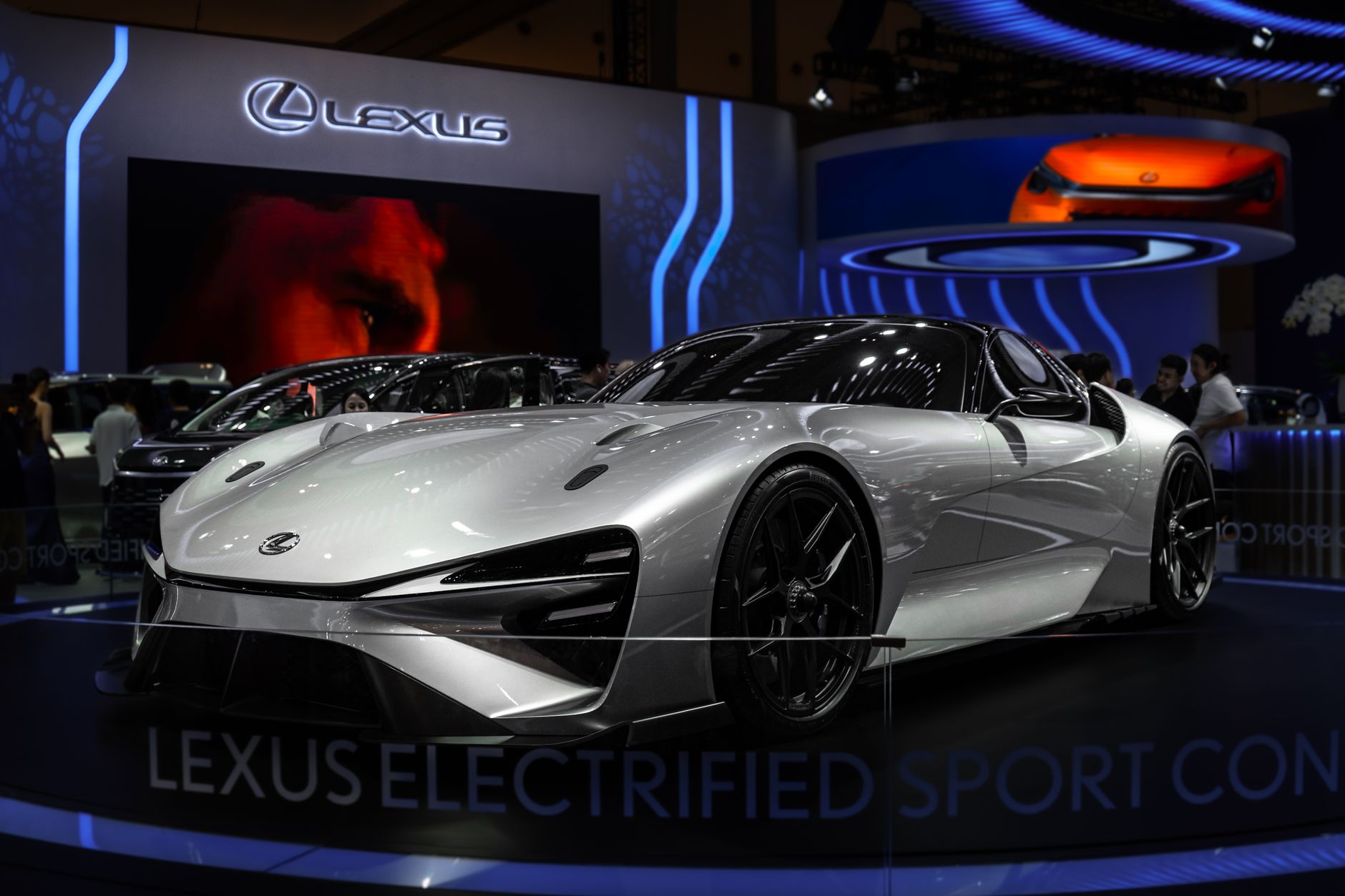
EV sales represent 25% of new car purchases globally in 2026. The economics have shifted — in most scenarios, an EV costs less to own over five years than an equivalent combustion vehicle.
Is an EV Right for You?
EVs make most sense if you have home charging, drive primarily in urban areas, and keep vehicles for 5+ years. Less suitable for frequent long-distance drivers or those without home charging.
Best EVs in 2026
Tesla Model 3 (Refreshed) — 358 miles range, best charging network, benchmark for efficiency.
Hyundai IONIQ 7 — Three-row seating, 330 miles, ultra-fast 800V charging. Best family EV.
Chevrolet Equinox EV — Starting under $35,000, 319 miles. Most accessible mainstream EV. — or at least that's been my experience. Your mileage may vary.
Understanding Charging
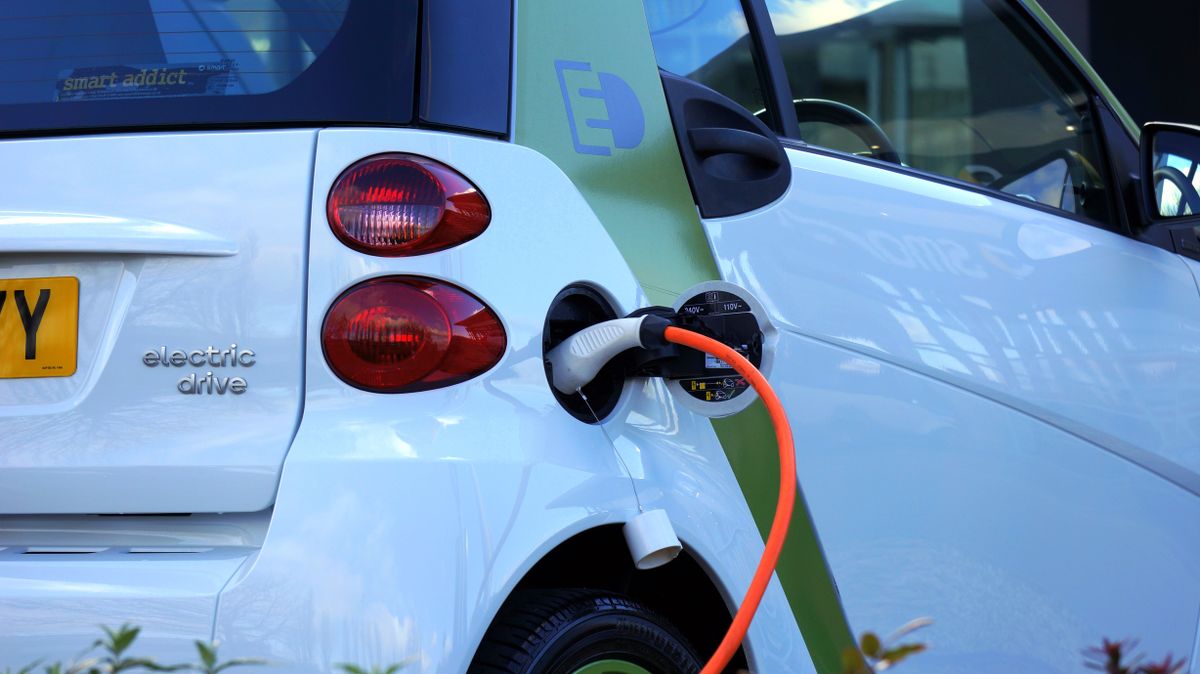
Level 1 (standard outlet): 3-5 miles/hour. Level 2 (240V home): 20-30 miles/hour — the standard setup. DC Fast Charging: 100-200+ miles in 20-30 minutes for road trips.
What I actually think: Worth your time. Go use it.
Charging Infrastructure
Home charging solves 90% of EV ownership anxiety. A Level 2 charger adds 20-30 miles per hour — overnight charging fills any battery. Installation costs $500-1,500. If you rent or lack a garage, confirm workplace or nearby charging access before buying an EV.
Real-World Range
Expect 15-25% less range than the EPA rating in cold weather and at highway speeds. Plan charging stops on long trips using PlugShare or your built-in navigation. The planning overhead becomes routine after two or three trips and is far less burdensome than it appears from the outside.
Total Cost of Ownership
EVs cost more upfront but significantly less to operate. Electricity costs roughly one-third of gasoline per mile. Maintenance is genuinely lower — no oil changes, fewer brake jobs, simpler drivetrain. Federal tax credits up to $7,500 apply to many new EVs. Run the five-year total cost calculation rather than comparing sticker prices alone.
According to Consumer Reports' annual reliability survey — one of the largest owner-reported datasets in the automotive industry — long-term reliability differs substantially between manufacturers, with ownership costs over 5 years varying by thousands of dollars for vehicles in the same price bracket.
The Honest Tradeoffs
No vehicle choice is optimal for every driver. The tradeoffs between reliability, performance, efficiency, and cost are genuine — optimizing for one typically compromises another. Electric vehicles make excellent financial sense for drivers with home charging access and predictable daily ranges, and poor sense for those without. The best choice depends entirely on your specific usage pattern, and anyone presenting a single answer for all buyers is oversimplifying.
Honest Bottom Line: EVs make most sense with home charging access. Expect 15-25% less range than EPA ratings in cold weather. Total cost over five years typically favors EVs despite higher purchase prices. The federal tax credit of up to $7,500 applies to many new models.

William Grant is an automotive journalist and certified mechanic with 15 years of experience covering cars, electric vehicles, and transportation technology. He has tested over 300 vehicles and covers automotive topics w...

![EV Range Anxiety in [2026]: Is It Still a Problem Worth Worrying Ab...](/img/posts/fix-ev-charging-anxiety-honest-solution-3a83f892.jpg)