Winter Car Maintenance [2026]: What Actually Matters vs. What Doesn't
![Winter Car Maintenance [2026]: What Actually Matters vs. What Doesn't](/img/posts/1516715094483-75da7dee9758.jpg)
I live in a region where winters are genuinely cold — not "wear a jacket" cold but "your car might not start" cold. Over fifteen years of driving in these conditions, I've developed a clear sense of what winter car preparation actually matters and what's on the checklist out of habit rather than necessity. Here is the honest version.
The Battery: The One That Will Leave You Stranded
Cold weather is brutal on car batteries in a way that catches people off guard every year. Battery capacity drops significantly in cold temperatures — a battery that delivers 100% capacity at 80°F delivers roughly 60% at 0°F. At the same time, cold oil makes the engine harder to turn over, demanding more from the starter. The combination means a battery that's been marginal all summer becomes a dead battery on the first cold morning of winter.
If your battery is more than three years old and you haven't had it tested recently, do it before winter. Most auto parts stores will test it for free while you wait. What you're looking for: cold cranking amps (CCA) rating versus the actual measured output. A battery testing at 70% or below of its rated CCA should be replaced before winter, not after the inevitable morning when your car won't start in a parking garage.
The signs a battery is weakening: slow engine cranking on cold mornings, lights that dim noticeably when starting, electrical accessories that behave strangely. Don't wait for a complete failure to act. A new battery costs $100-200. A tow truck plus the lost time from being stranded costs more and is vastly more inconvenient.
Tires: The Decision That Actually Affects Safety
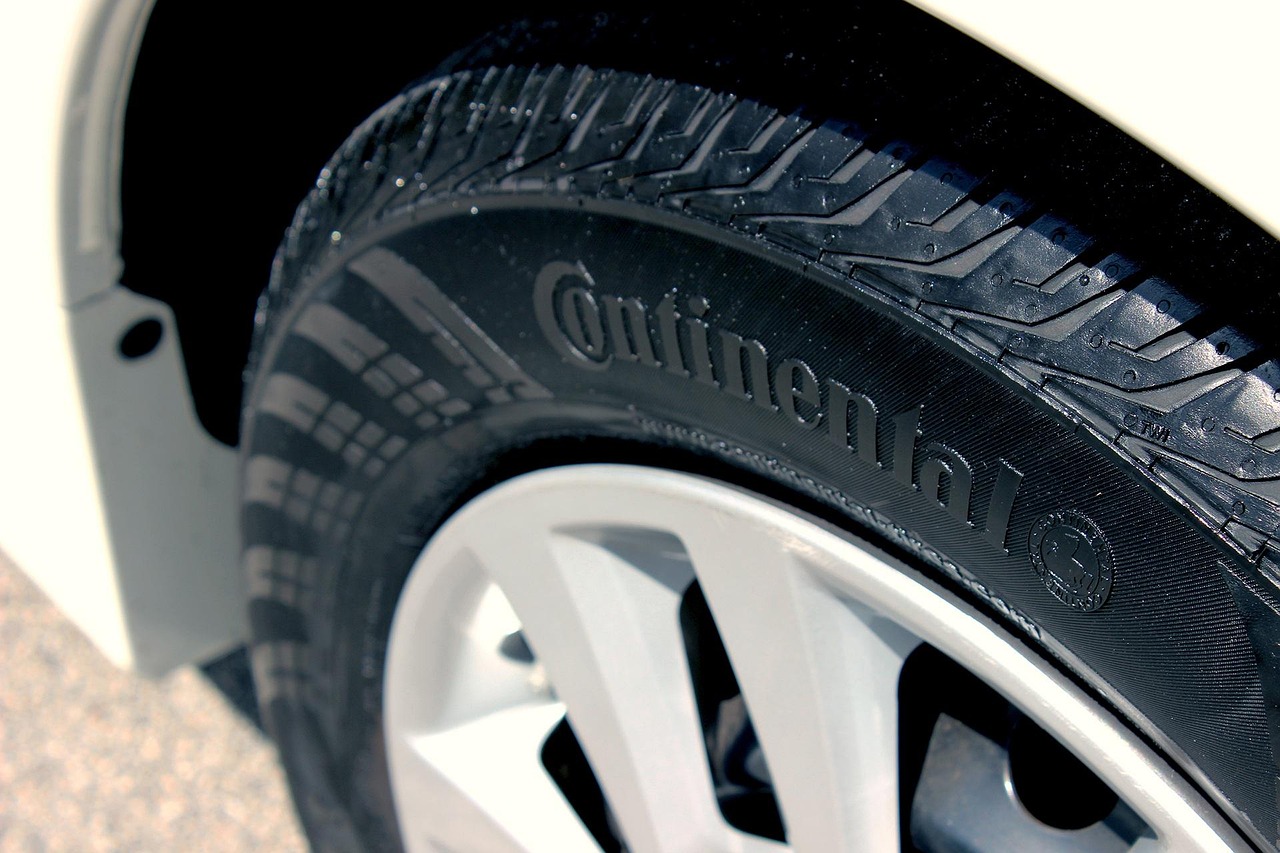
The difference between all-season tires and dedicated winter tires is significant and consistently understated in general car content. All-season tires are a compromise — they're adequate in light snow and mild cold, but the rubber compound used in all-season tires hardens noticeably below 7°C (45°F), reducing grip even on dry cold pavement. Winter tires use a compound that stays pliable in cold, plus tread patterns designed to shed snow and channel slush.
If you live somewhere with genuine winters — regular snow, temperatures that consistently drop below freezing — the investment in winter tires is one of the best safety improvements available. The stopping distance difference on snow and ice between all-seasons and winters is dramatic: studies consistently show 25-40% shorter stopping distances with winter tires, which is the difference between stopping before and hitting something or someone at urban speeds.
The cost objection: winter tires require buying a second set. But you're also extending the life of your all-season tires proportionally, so the incremental cost is lower than it appears. Buying steel wheels for the winter set (cheaper than alloys and better for salt exposure) keeps the swap simple and affordable. If you're not sure your winters justify the investment, the threshold is roughly: if you drive in snow more than a few times a year, they justify it.
Fluids: What to Check and What to Leave Alone
Antifreeze/coolant is the one fluid with a direct winter relevance. The coolant in your radiator needs to be at a concentration that prevents freezing at the lowest temperatures you'll experience. Most modern coolant is sold pre-mixed; if you're adding to your cooling system, use the pre-mixed version rather than diluting concentrated coolant yourself unless you're confident in the ratio. The specific test: inexpensive coolant test strips or a refractometer (used by any mechanic) will tell you the freeze protection point of your current coolant.
Windshield washer fluid specifically: use winter-rated fluid, not the standard summer fluid. Summer washer fluid will freeze in your lines and reservoir at sub-zero temperatures, and you'll have no washer capability exactly when road salt and spray from other vehicles makes it necessary. This is a $5 fix that people consistently overlook.
Engine oil viscosity matters in extreme cold. If you're in a region where temperatures regularly drop below -20°C (-4°F), check your owner's manual for the recommended oil viscosity in extreme cold. Most modern vehicles with 5W-30 or 0W-20 are fine in typical North American winters; older vehicles or those specified for thicker oil in summer may need a different viscosity for winter. This is worth a quick check rather than assumption.
The Practical Things People Forget
Wiper blades: standard all-season wiper blades accumulate ice and snow in the frame, which prevents them from conforming to the windshield. Winter wiper blades have a rubber boot that covers the frame and prevents ice accumulation. They're not dramatically expensive and they work noticeably better in heavy snow. Swap back to standard blades in spring — running winter blades in summer wears them faster.
Emergency kit in the trunk: jumper cables (or a battery jump starter pack — the lithium jump starters are compact and don't require another car), a bag of sand or cat litter for traction if you get stuck, a basic snow brush and ice scraper, and a warm blanket. The probability of needing any of these in a given winter is low. The cost when you need them and don't have them is high.
My honest take: Test your battery, check your antifreeze concentration, switch to winter washer fluid, and seriously consider winter tires if you see regular snow. Everything else is nice to have.
According to Consumer Reports' annual reliability survey — one of the largest owner-reported datasets in the automotive industry — long-term reliability differs substantially between manufacturers, with ownership costs over 5 years varying by thousands of dollars for vehicles in the same price bracket.
The Honest Tradeoffs
No vehicle choice is optimal for every driver. The tradeoffs between reliability, performance, efficiency, and cost are genuine — optimizing for one typically compromises another. Electric vehicles make excellent financial sense for drivers with home charging access and predictable daily ranges, and poor sense for those without. The best choice depends entirely on your specific usage pattern, and anyone presenting a single answer for all buyers is oversimplifying.

William Grant is an automotive journalist and certified mechanic with 15 years of experience covering cars, electric vehicles, and transportation technology. He has tested over 300 vehicles and covers automotive topics w...