Most Reliable Cars [2026]: What the Long-Term Data Actually Shows
![Most Reliable Cars [2026]: What the Long-Term Data Actually Shows](/img/posts/most-reliable-cars-honest-2026-b394f3f5.jpg)
Car reliability rankings are published by Consumer Reports, J.D. Power, What Car, and dozens of other sources annually, and they don't always agree. Understanding what each source measures, why rankings sometimes diverge, and what long-term ownership data shows about which manufacturers actually build cars that last requires looking past the headline rankings at what the data actually captures.
What the Reliability Data Sources Measure
Consumer Reports' reliability data comes from owner surveys asking about problems experienced in the past 12 months. It captures a broad range of issues across 17 problem categories (engine, transmission, body, electrical, etc.) and reflects the experience of actual owners rather than laboratory testing. Its strength is sample size (hundreds of thousands of respondents) and longevity — Consumer Reports has tracked reliability trends for decades, making year-over-year comparisons meaningful.
J.D. Power's Initial Quality Study (IQS) measures problems experienced in the first 90 days of ownership, which is useful for new vehicle quality but doesn't predict long-term reliability well. A car with excellent initial quality can have significant reliability issues at 80,000 miles that the IQS doesn't capture. J.D. Power's Vehicle Dependability Study (VDS) measures problems at three years of ownership, which is more predictive of long-term reliability.
What the Consistent Long-Term Data Shows
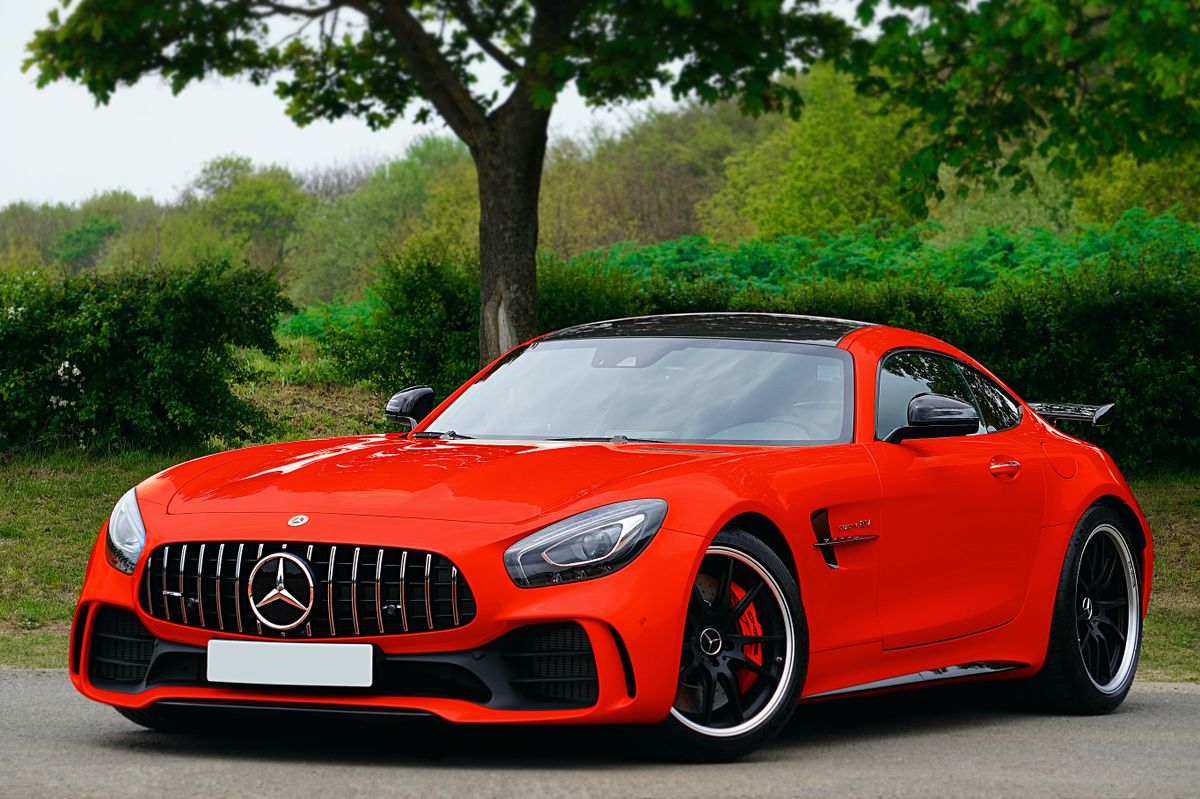
Despite source variation, several reliability patterns are consistent across multiple data sources and across many years: Japanese manufacturers (Toyota, Honda, Mazda) consistently appear at the top of reliability rankings in long-term data. Toyota and Lexus have led Consumer Reports reliability rankings for most of the past two decades. Honda and Mazda consistently follow. Korean manufacturers (Hyundai, Kia) have improved dramatically over the past decade and now rank comparably to or above most European manufacturers. German premium brands (BMW, Mercedes-Benz, Audi) consistently rank below their premium pricing implies, with higher frequency of electrical and electronic system problems that are expensive to repair.
The specific models with the most consistent long-term reliability records across data sources: Toyota Camry, Toyota Corolla, Toyota RAV4, Honda CR-V, Honda Accord, Mazda CX-5, and Mazda3 appear reliably near the top of reliability rankings across multiple years and multiple data sources. These are not coincidentally the models that used car buyers most frequently seek out and that hold their value best — the market reflects the reliability data.
Electric Vehicle Reliability: The Emerging Picture
Electric vehicle reliability data is still accumulating, but the patterns emerging are notable. Tesla, which dominated early EV reliability data, has shown improvement in manufacturing consistency but continues to have higher-than-average body panel fit, trim, and software-related problem rates. Established manufacturers producing EVs (Toyota BZ4X, Honda Prologue, Hyundai Ioniq 6) are showing reliability patterns consistent with their brand history. The powertrain reliability of EVs (electric motors are mechanically simpler than internal combustion engines) is generally strong; the reliability challenges are in software, charging systems, and quality of newer manufacturing processes.
Honest Bottom Line: Toyota, Honda, and Mazda consistently lead long-term reliability data across multiple sources and multiple years — this is the most consistent finding in automotive reliability research. German premium brands consistently underperform their price point in reliability. J.D. Power IQS measures 90-day quality, not long-term reliability — the VDS (3-year) is more predictive. Used car pricing reflects reliability data: Toyota and Honda hold value best because reliability data supports it. EV reliability is improving but still accumulating long-term data; powertrain reliability is strong while software and body quality vary by manufacturer.

William Grant is an automotive journalist and certified mechanic with 15 years of experience covering cars, electric vehicles, and transportation technology. He has tested over 300 vehicles and covers automotive topics w...