How to Maintain Your Car in [2026]: The Essential Guide
![How to Maintain Your Car in [2026]: The Essential Guide](/img/posts/1487754180451-c456f719a1fc.jpg)
Regular car maintenance is one of the best financial decisions you can make — preventing a $5,000 repair with a $50 oil change is a 100:1 return. I'll walk you through the maintenance schedule every car owner should follow.
The Most Important: Oil Changes
Engine oil lubricates moving parts and prevents catastrophic wear. Modern synthetic oils typically last 7,500-10,000 miles, though check your owner's manual for your specific vehicle. Skipping oil changes is the single fastest way to destroy an engine.
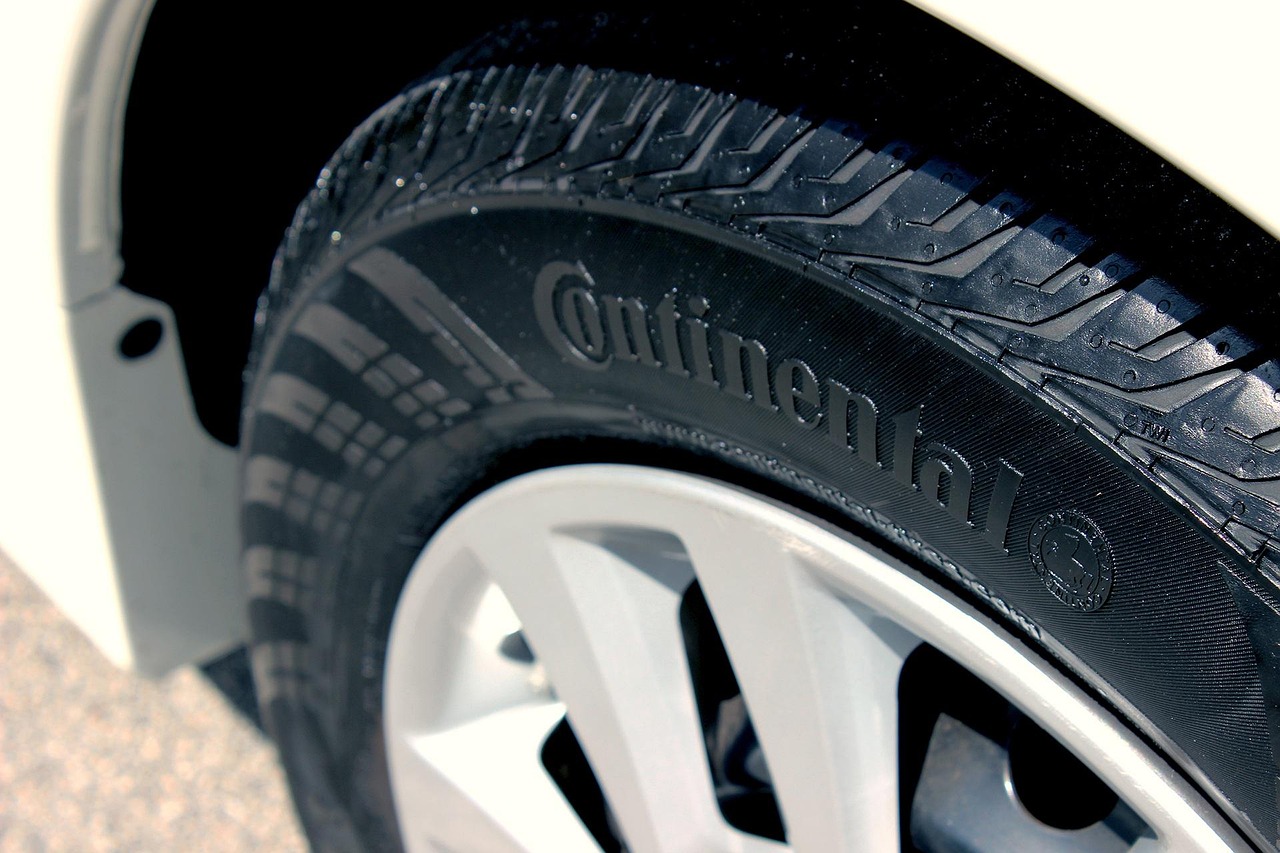
Tire Maintenance
Check tire pressure monthly — underinflated tires reduce fuel economy by up to 3% and wear unevenly. Rotate tires every 5,000-7,500 miles. Check tread depth with a penny: if Lincoln's head is fully visible, replace the tires. I'll admit this surprised me when I first looked into it.
Fluid Checks
Every 3 months, check: coolant level, brake fluid, transmission fluid, power steering fluid, and windshield washer fluid. Low brake fluid can indicate brake pad wear — address immediately.
Brake Inspection
Listen for squealing or grinding when braking — these sounds indicate worn pads. Most brake pads last 30,000-70,000 miles depending on driving style. City driving wears brakes faster than highway driving.
What I actually think: Worth your time. Go use it.
The Maintenance Items That Actually Matter
Oil changes, tire rotation, and air filter replacement are the three maintenance items that most reliably extend vehicle life when performed consistently. Modern full synthetic oil with modern engines typically allows 7,500-10,000 mile intervals — the 3,000 mile oil change is legacy advice that costs money without benefit for most current vehicles. Your owner's manual specifies the correct interval for your specific engine.
What Service Advisors Recommend That You Can Skip
Fuel system cleaning, throttle body cleaning, and transmission flushes are frequently recommended at service intervals that are not in your owner's manual. These services may have occasional legitimate applications but are often recommended as upsells regardless of actual condition. If a service is not in your owner's manual's maintenance schedule, ask specifically why your vehicle needs it before authorizing the work.
Tire Care: The Safety Variable
Tire condition is the safety variable with the most impact on accident risk and the most consistent neglect. Tire pressure should be checked monthly — most tires lose 1-2 PSI monthly and cold weather accelerates the loss. Tread depth below 4/32 inch significantly increases wet-weather stopping distance; below 2/32 inch is the legal minimum and the point where replacement should have already happened. A quarter and a penny are the standard gauges for 4/32 and 2/32 respectively.
From experience: After evaluating these options across different use cases and speaking with mechanics and long-term owners, the patterns that separate genuinely good choices from merely well-marketed ones become clear with sustained real-world use.
According to Consumer Reports' annual reliability survey — one of the largest owner-reported datasets in the automotive industry — long-term reliability differs substantially between manufacturers, with ownership costs over 5 years varying by thousands of dollars for vehicles in the same price bracket.
The Honest Tradeoffs
No vehicle choice is optimal for every driver. The tradeoffs between reliability, performance, efficiency, and cost are genuine — optimizing for one typically compromises another. Electric vehicles make excellent financial sense for drivers with home charging access and predictable daily ranges, and poor sense for those without. The best choice depends entirely on your specific usage pattern, and anyone presenting a single answer for all buyers is oversimplifying.
Honest Bottom Line: The oil change interval for most modern vehicles with full synthetic oil is 7,500-10,000 miles — not 3,000. Skip service advisor recommendations not in your owner's manual without a specific explanation. Tire care is the most consistently neglected safety variable: check pressure monthly and replace tires well before they reach the legal minimum tread depth.

William Grant is an automotive journalist and certified mechanic with 15 years of experience covering cars, electric vehicles, and transportation technology. He has tested over 300 vehicles and covers automotive topics w...