Car Maintenance in 2026: What You Actually Need to Do (And What Dealers Oversell)
Car maintenance advice from dealerships has a financial conflict of interest — service departments are profit centers, and recommending more frequent service is in the dealership's financial interest regardless of whether the vehicle actually needs it. Modern vehicles are engineered to require less frequent maintenance than the schedules many service advisors recommend. Here is the honest guide to what actually matters for reliability and longevity.
Oil Changes: The Most Oversold Service
The old standard of oil change every 3,000 miles is outdated for virtually every vehicle made after 2010. Modern synthetic motor oil and modern engines are engineered to go significantly longer between changes. Manufacturer-specified oil change intervals in most modern vehicles running full synthetic oil range from 7,500 to 15,000 miles — not 3,000. The correct interval is in your owner's manual, not on the sticker the quick-lube shop puts on your windshield. Following your manufacturer's specified interval with quality synthetic oil is the correct approach. Changing oil more frequently than the manufacturer specifies provides no measurable benefit for engine longevity and wastes money and generates unnecessary waste oil.
The Maintenance Items That Actually Matter
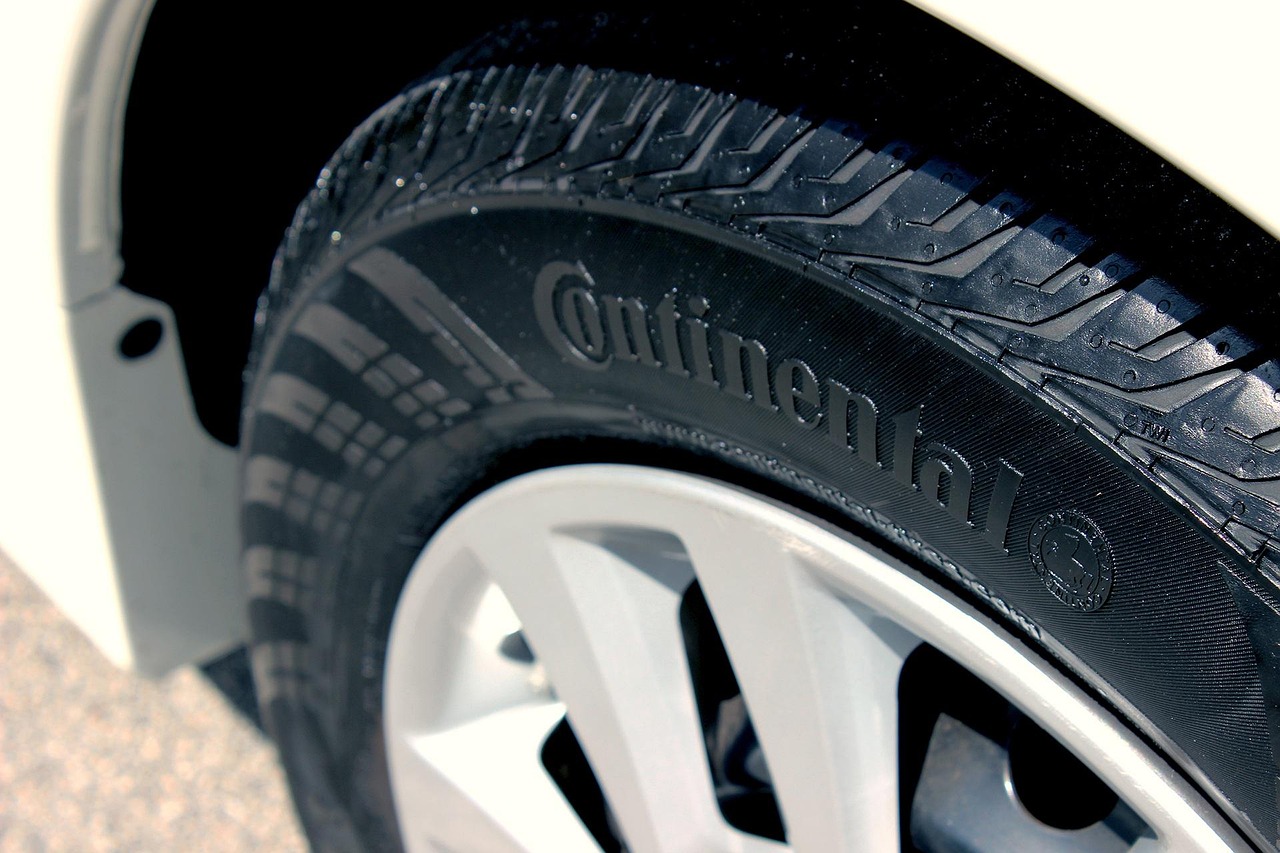
Tire pressure and rotation: under-inflated tires reduce fuel economy, wear unevenly, and increase blowout risk. Checking pressure monthly (or whenever the TPMS warning light activates) and rotating tires every 5,000-7,500 miles maximizes tire life. Tire pressure is the highest-impact low-effort maintenance item available. Brake fluid: brake fluid absorbs moisture over time, which lowers its boiling point and can cause brake fade. Most manufacturers recommend replacement every 2-3 years regardless of mileage — this service is genuinely important and frequently overlooked. Coolant: manufacturer-specified intervals range from 5 to 10 years for modern long-life coolant. Cabin air filter: easy DIY replacement every 15,000-25,000 miles — dealer labor rates for this 5-minute task are frequently $50-80.
Services Frequently Oversold at Dealerships
Fuel injector cleaning (typically needed only if you are experiencing specific symptoms, not as routine preventive maintenance). Transmission fluid flushes on modern sealed transmissions with lifetime fluid (check your manufacturer's specification — many modern automatic transmissions genuinely use lifetime fluid). Throttle body cleaning (rarely necessary as a routine service). Engine air filter replacement on every oil change (check the filter visually — replace when dirty, not on a calendar schedule). Power steering flush (most modern vehicles have electric power steering with no fluid to flush). These services are not harmful, but they are frequently sold to customers who do not need them.
Honest Bottom Line: Your owner's manual specifies your actual required maintenance — not the quick-lube shop sticker or dealer service advisor recommendation. Modern synthetic oil allows 7,500-15,000 mile oil change intervals in most vehicles, not 3,000 miles. The maintenance that genuinely matters: tire pressure and rotation, brake fluid replacement every 2-3 years, and following manufacturer-specified intervals for coolant and transmission fluid. Services frequently oversold: fuel injector cleaning, throttle body cleaning, power steering flushes on electric systems, and cabin air filter replacement at oil changes.

William Grant is an automotive journalist and certified mechanic with 15 years of experience covering cars, electric vehicles, and transportation technology. He has tested over 300 vehicles and covers automotive topics w...