Self-Driving Cars [2026]: How Close Are We Really? Honest Assessment
![Self-Driving Cars [2026]: How Close Are We Really? Honest Assessment](/img/posts/fix-car-maintenance-honest-schedule-202-c3a40be7.jpg)
Car dealership service departments are a significant profit center for dealerships, and the maintenance recommendations that come from service advisors — written on the service estimate, announced in the waiting room, texted to your phone — often go beyond what your vehicle's manufacturer actually specifies. The honest guide to car maintenance starts with one source: your vehicle's owner's manual. Here is how to read it and what the actual requirements are for most modern vehicles.
The Oil Change: The Most Misunderstood Maintenance Item
The 3,000-mile oil change is automotive folklore that was accurate for vehicles produced before roughly 2000 but hasn't been appropriate for modern vehicles for decades. Modern full synthetic motor oil combined with modern engine tolerances has extended oil change intervals dramatically — most vehicles specify 7,500-10,000 miles between oil changes, and many specify 10,000-15,000 miles with full synthetic oil. Your owner's manual specifies the interval for your specific vehicle; that interval, not the "3,000 miles" sticker placed by the quick-lube shop, is what you should follow.
The "severe service" interval — which calls for more frequent changes — applies to specific operating conditions: frequent short trips under 5 miles, extensive idling, towing or hauling heavy loads, dusty environments, and extreme temperatures. Most people's driving doesn't qualify as severe service, though service advisors may characterize it as such when recommending shorter intervals.
What Modern Cars Actually Need
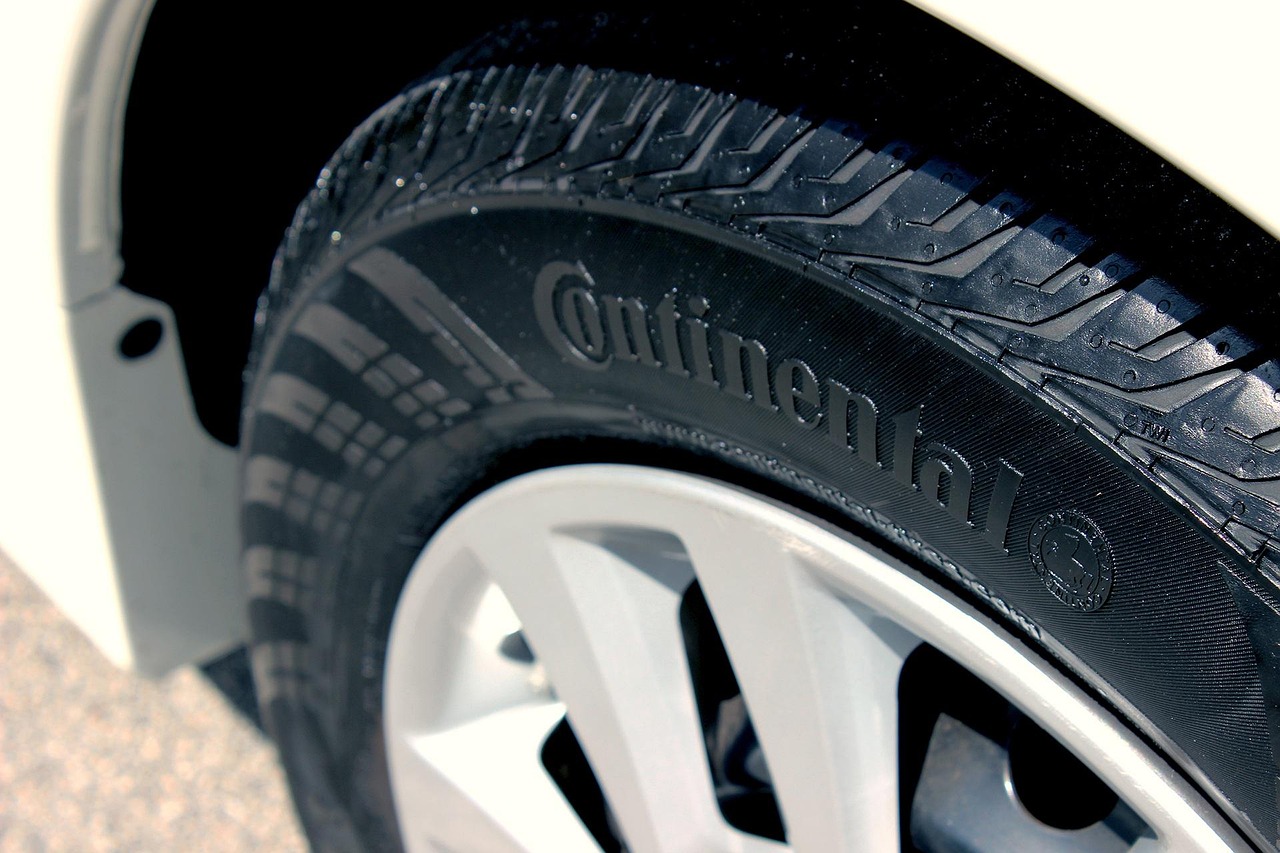
Tire rotation every 5,000-7,500 miles (or with each oil change if you change oil at that interval) extends tire life significantly by equalizing wear across all four tires. This is genuinely useful maintenance. Air filter replacement every 15,000-30,000 miles is specified by most manufacturers — air filters are cheap and easy to replace, and you can inspect yours at any time to see if it actually needs replacement (it should be replaced when dirty, not on a calendar schedule). Cabin air filter replacement similarly — when visibly dirty, which is typically every 15,000-25,000 miles depending on your driving environment.
Brake fluid should be tested for moisture content (cheap test strips or any shop can do this) and replaced when moisture-contaminated — typically every 2-3 years in humid climates, less frequently in dry ones. Coolant flush intervals have extended significantly with modern long-life coolants — 5 years or 150,000 miles is specified for many modern vehicles. Transmission fluid intervals vary significantly by transmission type — check your manual, and be skeptical of service advisors recommending transmission flushes on vehicles whose manufacturers specify sealed lifetime fluid (many modern automatics claim this, though independent mechanics often disagree about what "lifetime" means in practice).
What to Push Back On
Fuel system cleaning ("fuel injector flush") at service visits is recommended by dealers with varying levels of justification. High-quality fuel from reputable stations already contains detergent additives that maintain fuel system cleanliness; the additional service is rarely necessary for vehicles used normally. Tire pressure monitoring sensor replacement "because it's time" — these sensors only need replacement when they actually fail (your TPMS warning light will tell you) or when you replace the tires. Wiper blade replacement at every oil change — replace them when they streak, which for most drivers is once a year or less.
According to Consumer Reports' annual reliability survey — one of the largest owner-reported datasets in the automotive industry — long-term reliability differs substantially between manufacturers, with ownership costs over 5 years varying by thousands of dollars for vehicles in the same price bracket.
Honest Bottom Line: The 3,000-mile oil change is outdated — most modern vehicles specify 7,500-15,000 miles. Your owner's manual, not the dealer's service advisor, is the authoritative source for your specific vehicle. Necessary maintenance: oil changes per manual schedule, tire rotations every 5,000-7,500 miles, filters when dirty, brake fluid when moisture-contaminated. Push back on fuel system flushes, premature TPMS replacement, and wiper changes that aren't driven by actual deterioration.

William Grant is an automotive journalist and certified mechanic with 15 years of experience covering cars, electric vehicles, and transportation technology. He has tested over 300 vehicles and covers automotive topics w...