Car Maintenance in 2026: What You Actually Need to Do and What You Can Skip

With 15 years as a certified mechanic and automotive journalist, I can tell you that car maintenance advice ranges from genuinely necessary to pure revenue generation for service shops. The old 3,000-mile oil change, the fuel system flushes, the transmission flushes at 30,000 miles — some of these have genuine justification; many do not for modern vehicles. Here is the honest guide to what your car actually needs and what you can confidently decline.
What Actually Matters for Reliability and Longevity
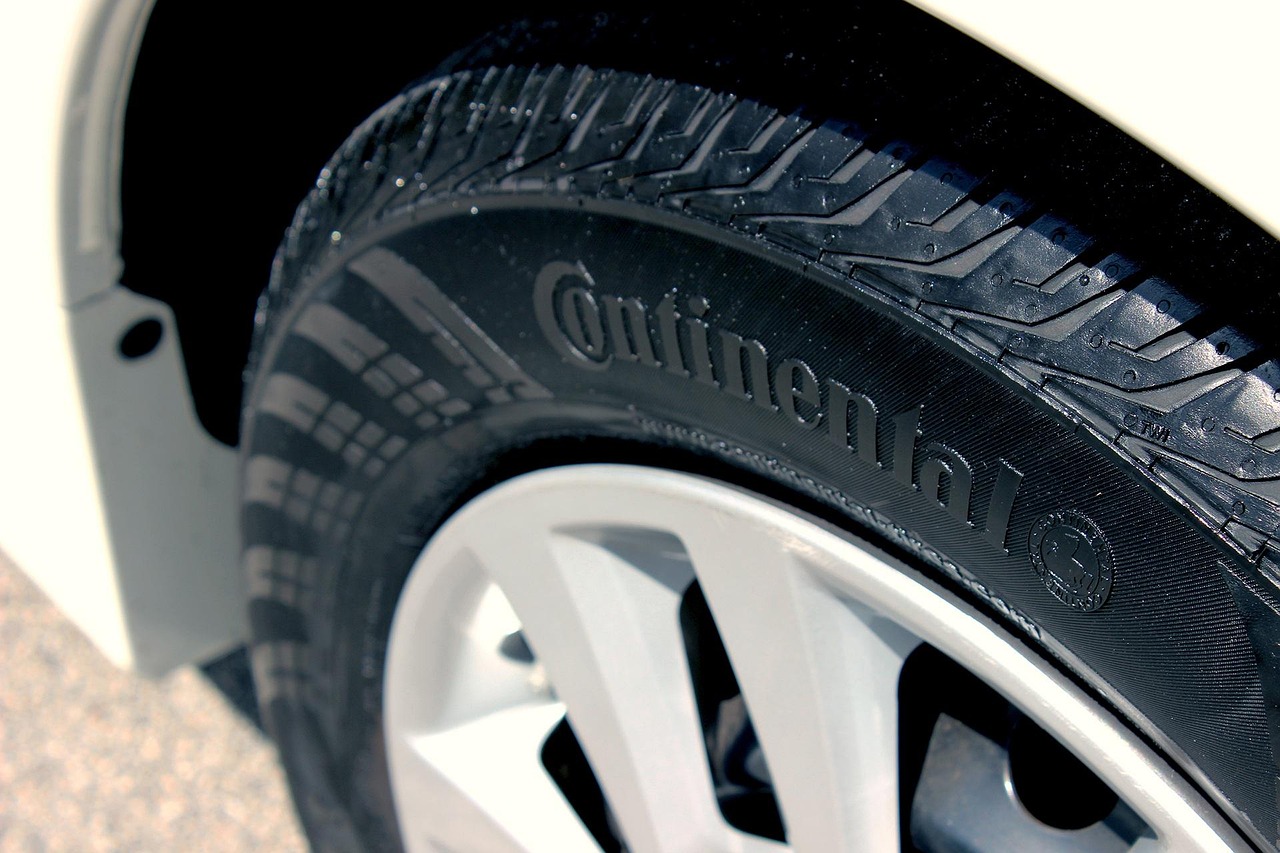
Engine oil changes are the most important maintenance item for engine longevity — but the 3,000-mile interval is outdated for most modern vehicles. Most cars built after 2010 specify oil change intervals of 5,000-10,000 miles with conventional oil or 7,500-15,000 miles with full synthetic oil. The definitive source: your owner's manual. The interval specified by the manufacturer for your specific engine and driving conditions is the correct interval — not the sticker the oil change shop puts on your windshield. Driving conditions matter: the severe service interval (shorter interval for towing, extreme temperatures, frequent short trips) applies to a minority of drivers; most people qualify for the normal service interval. Tire maintenance is the second most important ongoing maintenance item. Tire pressure affects handling, braking distance, and fuel economy — check monthly, as tires naturally lose approximately 1 PSI per month. Tire rotation every 5,000-7,500 miles equalizes wear across all four tires and extends tire life significantly. Tire replacement when tread depth reaches 2/32 inch (the legal minimum) is critical for wet-weather safety — most mechanics recommend replacement at 4/32 inch for meaningful wet traction.
The Maintenance Items People Skip That They Should Not
Brake fluid absorbs moisture over time, which lowers its boiling point — brake fade under hard braking from moisture-contaminated brake fluid is a real safety issue. Most manufacturers recommend brake fluid replacement every two years regardless of mileage. Coolant (antifreeze) degrades over time and should be replaced per manufacturer specifications — typically every 30,000-50,000 miles or every three to five years for older coolant types, less frequently for extended-life coolants. Failing to replace degraded coolant can produce corrosion in the cooling system that causes expensive repairs. Cabin air filter replacement is inexpensive ($15-25 DIY) and affects air quality inside the vehicle — most manufacturers recommend replacement every 15,000-25,000 miles or annually, and it is one of the most consistently neglected maintenance items.
The Services You Can Confidently Decline
Fuel system cleaning (injector cleaning, fuel system flush) is recommended by service shops at almost every visit and is genuinely necessary only for specific symptoms (rough idle, hesitation, poor mileage) or at very high mileage intervals (80,000-100,000+ miles). For most vehicles with no symptoms, it provides minimal benefit. Transmission flush at 30,000 miles: most manufacturers do not specify transmission fluid changes this frequently for normal driving — your owner's manual will specify the correct interval. Many modern transmissions have lifetime fluid specifications. Engine flush (added to old oil before draining): unnecessary for engines that receive regular oil changes; potentially harmful to engines with sludge buildup by dislodging material that can block oil passages. Tire nitrogen fill: nitrogen-filled tires maintain pressure slightly more consistently than air-filled tires, but the benefit is small, measurable only with instruments, and not worth the premium cost when compressed air is free.
Honest Bottom Line: Oil changes per your owner's manual interval (not the 3,000-mile sticker) and tire maintenance (monthly pressure checks, rotation every 5,000-7,500 miles, replacement at 4/32 tread) are the highest-priority maintenance items. Items people skip that genuinely matter: brake fluid every two years, coolant per manufacturer specification, and cabin air filter every 15,000-25,000 miles. Confidently decline: fuel system flushes without specific symptoms, transmission flushes more frequently than manufacturer specification, engine flushes, and nitrogen tire fill. The owner's manual is the authoritative source for your specific vehicle — not service shop recommendations.

William Grant is an automotive journalist and certified mechanic with 15 years of experience covering cars, electric vehicles, and transportation technology. He has tested over 300 vehicles and covers automotive topics w...