Car Depreciation in 2026: The Math That Should Drive Every Car Buying Decision
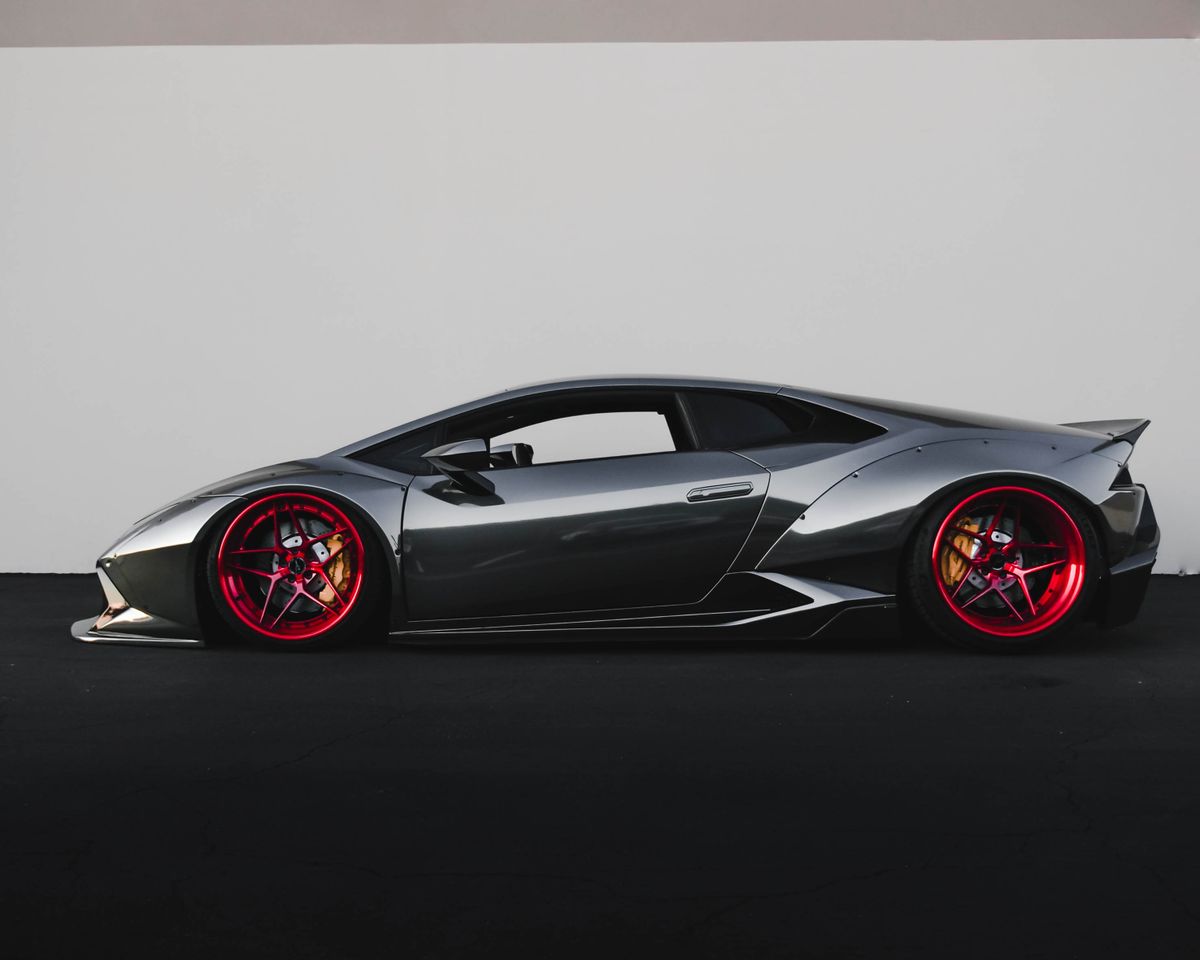
Depreciation — the loss in value that a car experiences from the moment it is purchased — is the largest cost of car ownership for most people and the most consistently ignored when making purchase decisions. New car buyers focus on monthly payment and sticker price; used car buyers focus on condition and mileage; almost nobody does the depreciation math that determines the true cost of getting from one place to another. After 15 years covering the automotive industry, here is the honest guide to how depreciation works and how to use it to make dramatically better car buying decisions.
The Numbers: How Depreciation Actually Works
The average new car loses approximately 15-25% of its value in the first year, 15-18% in the second year, and smaller percentages in subsequent years, with total depreciation of 50-60% over five years for most vehicles. The steepest depreciation typically occurs in the first three years. These are averages — specific models vary significantly based on brand reputation for reliability, supply and demand dynamics, and model discontinuation.
The practical math: a $40,000 new car that depreciates to $24,000 over three years has cost its owner $16,000 in depreciation alone, before accounting for insurance, maintenance, fuel, or financing costs. Over three years and 36,000 miles, that is $0.44 per mile in depreciation alone. The same car purchased at three years old for $24,000, driven for three more years to a residual of $15,000, costs $9,000 in depreciation over the same three-year, 36,000-mile period — $0.25 per mile. The difference: $7,000 over three years, or approximately $2,300 per year, simply by buying used rather than new.
The Sweet Spot: Two to Four Year Old Vehicles
The used car buying sweet spot for most people — the age that balances depreciation savings against remaining useful life and maintenance risk — is two to four years old. At this age, the steepest first-year depreciation has already occurred; most factory warranty is still active or recently expired (three-year bumper-to-bumper is the most common new car warranty period); the vehicle is recent enough to have modern safety features and technology; and the reliability data from owner reports is sufficient to identify any model-specific issues. Vehicles in this age range with a documented service history, full maintenance records, and a clean vehicle history report represent the best value proposition in the market for most buyers.
The certified pre-owned (CPO) programs offered by most manufacturers provide an extended warranty on two to four year old vehicles with passed inspection. CPO vehicles command a premium over non-certified used vehicles but provide documented inspection and warranty protection that reduces the uncertainty of used vehicle purchases. Whether the CPO premium is worth it depends on the specific coverage, the model's reliability history, and the buyer's risk tolerance.
The Models With the Best and Worst Depreciation
Depreciation varies significantly by brand and model. Vehicles with historically strong resale value — Toyota Tacoma, Toyota 4Runner, Jeep Wrangler, Toyota Camry, Honda Accord, Honda Civic — depreciate slowly because strong brand reliability reputations and consistent demand maintain used prices. Vehicles with poor reliability reputations or from brands with uncertain futures depreciate faster, and their used prices reflect this. The counterintuitive implication: the new car with the best resale value is also the most expensive used car to buy. Buying a used Toyota Tacoma saves less in depreciation than buying a used equivalent truck from a brand with faster depreciation — because you are buying at the higher retained value that the Tacoma's reputation commands.
Electric vehicles present a specific depreciation pattern in transition: early EVs from some manufacturers have depreciated faster than comparable ICE vehicles as newer models with better range and features enter the market. The rapid pace of EV technology improvement is creating the same dynamics that made buying the latest smartphone expensive — this year's model is next year's significantly deprecated one. For EV buyers, the depreciation math specifically favors buying one to two year old vehicles that have already absorbed the steepest portion of the technology-driven depreciation curve.
Honest Bottom Line: Average new car depreciation: 15-25% in year one, 50-60% over five years — the largest single cost of car ownership for most buyers. The math favor of buying used is concrete: a $40,000 new car with $16,000 three-year depreciation vs $9,000 for the same car bought at three years old — approximately $2,300 annual difference. The buying sweet spot: two to four year old vehicles with documented service history — steepest depreciation absorbed, warranty often active or recent, modern safety features, sufficient reliability data. CPO programs provide inspection and warranty at a premium that may or may not be worth it depending on coverage and model reliability. Models with strong resale value (Tacoma, 4Runner, Wrangler, Accord) cost more used because their reputation maintains prices. Early EVs have depreciated faster than comparable ICE vehicles due to rapid technology improvement — buying one to two year old EVs captures the steepest depreciation curve benefit.

William Grant is an automotive journalist and certified mechanic with 15 years of experience covering cars, electric vehicles, and transportation technology. He has tested over 300 vehicles and covers automotive topics w...


![Buying a Used Car in [2026]: 9 Mistakes That Cost Thousands](/img/posts/unique-947-82348e28.jpg)