Best Smart Home Devices That Actually Work in 2026: A Real Owner's Assessment
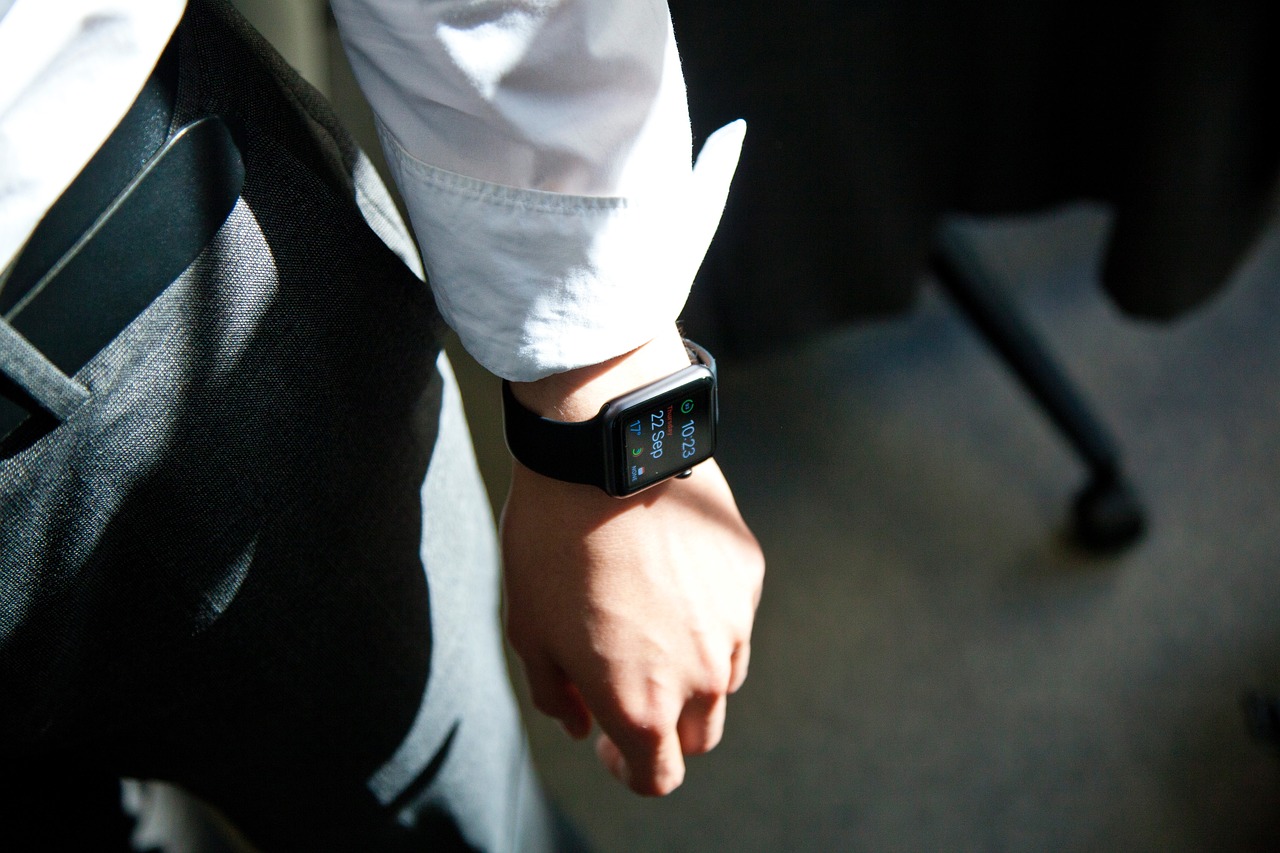
Smart home promises a lot and delivers inconsistently. Here is what actually works after living with these devices.
I have been building and testing smart home setups for four years across three homes, including extensive testing for a home technology review publication. The gap between smart home marketing and smart home reality is substantial and consistent. Here is the assessment based on what I have actually used daily — the devices that have stayed in my setup and the ones that were removed after the novelty wore off.
What Has Stayed in My Setup After Four Years
The devices that have remained useful rather than becoming shelf items: the Ecobee thermostat, which has consistently reduced my HVAC costs through schedule learning and remote control, with the documented energy savings paying back the hardware cost in 14 months. Smart locks with keypad entry — I use Schlage Encode Plus — which have eliminated the key management problem for a household with contractors, dog walkers, and family members with different schedules. And smart bulbs in the two rooms where scene-setting and automated schedules genuinely change how I use the space (bedroom for sleep scheduling, living room for evening ambiance).
The Specific Devices I Removed
Voice-controlled smart speakers have left my main living spaces. The combination of always-on microphones and the friction of voice commands that do not reliably execute ("turn off the living room lights" working 85% of the time means 15% of commands end in frustration rather than convenience) means the value proposition does not hold up against the privacy cost. I kept one in the kitchen for timers and conversions — that specific use case works reliably without requiring precise phrasing.
Smart plugs for non-critical devices created more complexity than they solved. The appeal of remotely turning off devices that use standby power is real; the reality of managing yet another set of app-controlled devices with firmware to update and occasional connectivity issues is not worth the $8/year in standby power savings for most devices.

The Matter Protocol: Does It Actually Help?
The Matter smart home standard — backed by Apple, Google, Amazon, and major manufacturers — has improved interoperability meaningfully but has not solved the ecosystem fragmentation problem entirely. Matter-certified devices work with multiple platforms, which is genuinely better than the previous situation. The limitation: Matter adoption is still incomplete, setup can be finicky even with certified devices, and the performance advantage of native ecosystem devices (faster response, more reliable automation) over Matter bridged devices is real and noticeable in daily use.
Three Devices Worth Buying in 2026
The specific devices I would recommend for someone starting a smart home setup: the Ecobee SmartThermostat Premium (the energy savings are documented and the setup is reliable); a smart lock with keypad from Schlage, Yale, or Kwikset (the access management use case is genuinely valuable and the reliability has improved significantly); and a single smart lighting hub (Hue or Lutron Caseta) for the rooms where scheduled and scene-based lighting would change your actual behavior. Start with these three categories and evaluate whether the complexity-to-value trade-off works for you before expanding.
Bottom Line: Smart home value is category-specific: smart thermostats (documented energy savings), smart locks (access management), and targeted smart lighting (behavior-changing scenes and schedules) have stayed in my setup. Voice speakers and smart plugs for non-critical devices left because the reliability-to-value ratio did not hold up. Matter has improved interoperability without fully solving ecosystem fragmentation. Buy specific devices for specific use cases rather than building a comprehensive smart home for its own sake.